Exchanges and regulators are morphing markets into a 24/7 casino, which creates many opportunities for smart people to take money from dumb people.
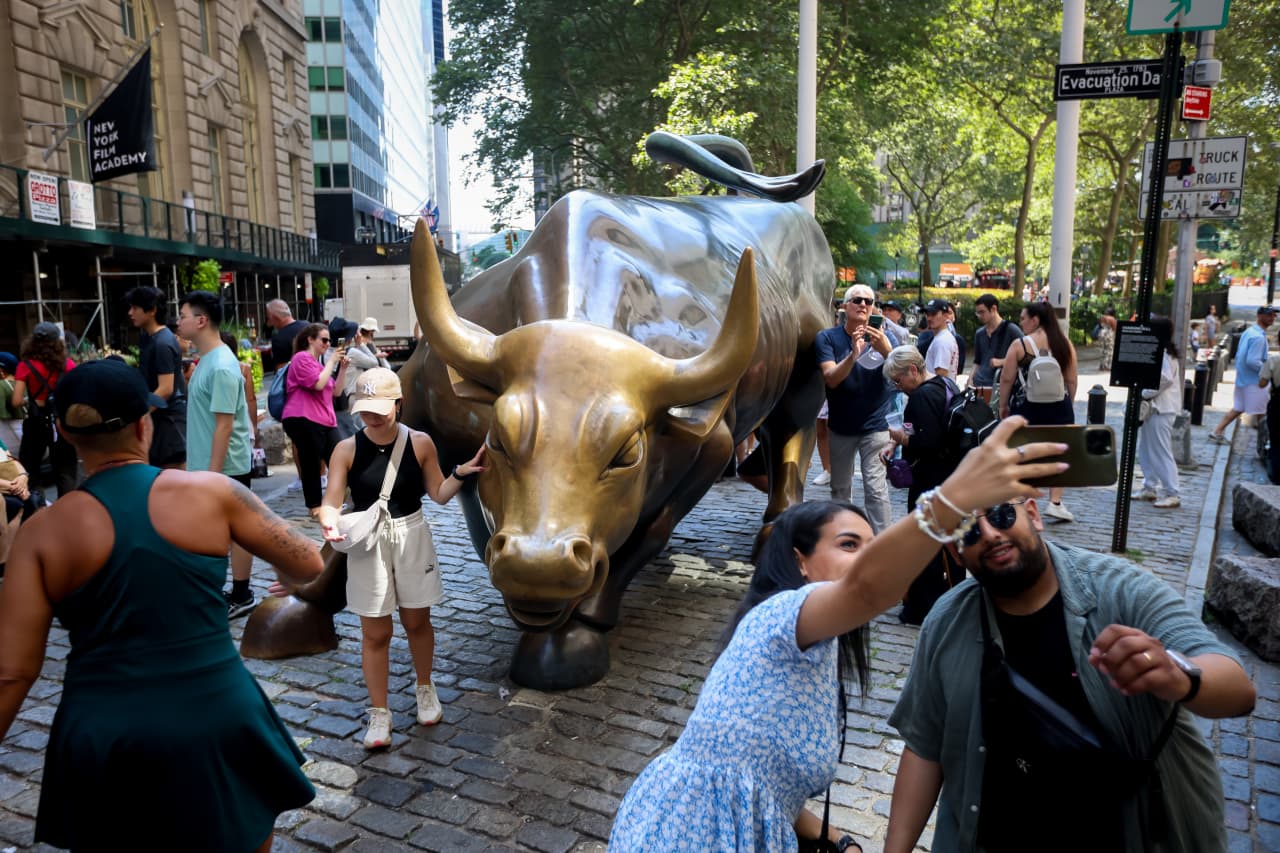
Bubbles are only dangerous if improperly managed.
Stocks, indexes, and call-option implied volatility are advancing to ever-higher highs, despite innumerable risks that are almost too trite to mention. And yes, some are even calling it a bubble.
Once more, we are at the tumultuous intersection of greed and hope.
We recently suggested hedging in anticipation of a stock decline, but some investors will prefer to harness the wild-eyed enthusiasm of investor sentiment.
We know of some very smart Wall Street pros who recently took profits and regret selling as stocks move higher. Anyone wondering about risk-defined ways to add exposure to a hot stock and hotter options market should consider so-called bull spreads on the State Street SPDR S&P 500 exchange-traded fund.
The strategy entails buying one call and selling another with a higher strike price but a similar expiration. Successful trades regularly produce 100% or greater returns with limited risk.
With the SPDR S&P 500 ETF at $738.17, buy the July $750 call and sell the July $780 call. The spread costs about $10.21.
If SPY expires at $780 or higher, the maximum profit is $19.79. If SPY is below $750, the trade fails, which is less costly than buying the ETF and losing even more money.
During the past 52 weeks, the SPDR S&P 500 has ranged from $575.60 to $740.79. So far this year, the ETF is up 8.7%. Spreads are often derided since profits are limited to the difference between strike prices, less the cost, but that’s dumb. The real motor of options trading is implied volatility—and it’s a better way to look at options trading than simply quoted prices.
Implied volatility indicates the market’s expectations of how a security will move, up or down—but dealers often add what we call a fear or greed premium to provide themselves with a margin of safety. This means options are often overpriced.
When buying one call and selling another, it is often possible to sell ones with higher volatility in order to buy ones with lower volatility. This is true for put options, too, as record numbers of investors buy options to avoid missing big stock moves. When options are bought or sold, you are trading volatility even if you don’t know that.
Few investors check volatility levels because they are overly focused on anticipated stock movements. Yet stocks often fail to move enough to overcome the fear or greed premium that dealers bake into options premiums to protect themselves. And consider using the Rule of 16, which tells you how options are pricing a stock.
This is why many investors are “right on the stock, but wrong on the options.” When a stock moves 5%, but options were priced for a 10% stock move, dealers win.
Our bullish strategy will prompt some to accuse us of changing our view after suggesting hedging and a stock replacement strategy. So be it. We have strong opinions that are loosely held.
There is a “viva Las Vegas” aura in the markets now, with trading levels at record highs, but exchanges and regulators are coaxing markets into becoming a 24/7 casino, which creates many opportunities for smart people to take money from dumb people.
Hedging still makes sense, as does defining risk without forgoing potential rewards. This is true even when the market mob seems mad, and the stocks and options markets resemble a busy, cheap gambling hall at 3 a.m. that reeks of smoke and booze.
Stock and options dealers are making tens of billions of dollars in profit in the casino market. Align with them.
Write to editors@barrons.com