The U.S. and Japan jointly worry about the yen, which is showing increased weakness. How to buttress the currency is another matter.
Japan is one ally that U.S. President Donald Trump still likes. Treasury Secretary Scott Bessent affirmed that by stopping in Tokyo for two days on his way to the Trump-Xi Jinping summit in China.
Bonhomie between Bessent and Prime Minister Sanae Takaichi couldn’t disguise the headaches that the Iran war is causing for Japan, which was importing 80% of its oil and gas through the Strait of Hormuz. Or potential differences in how to address them.
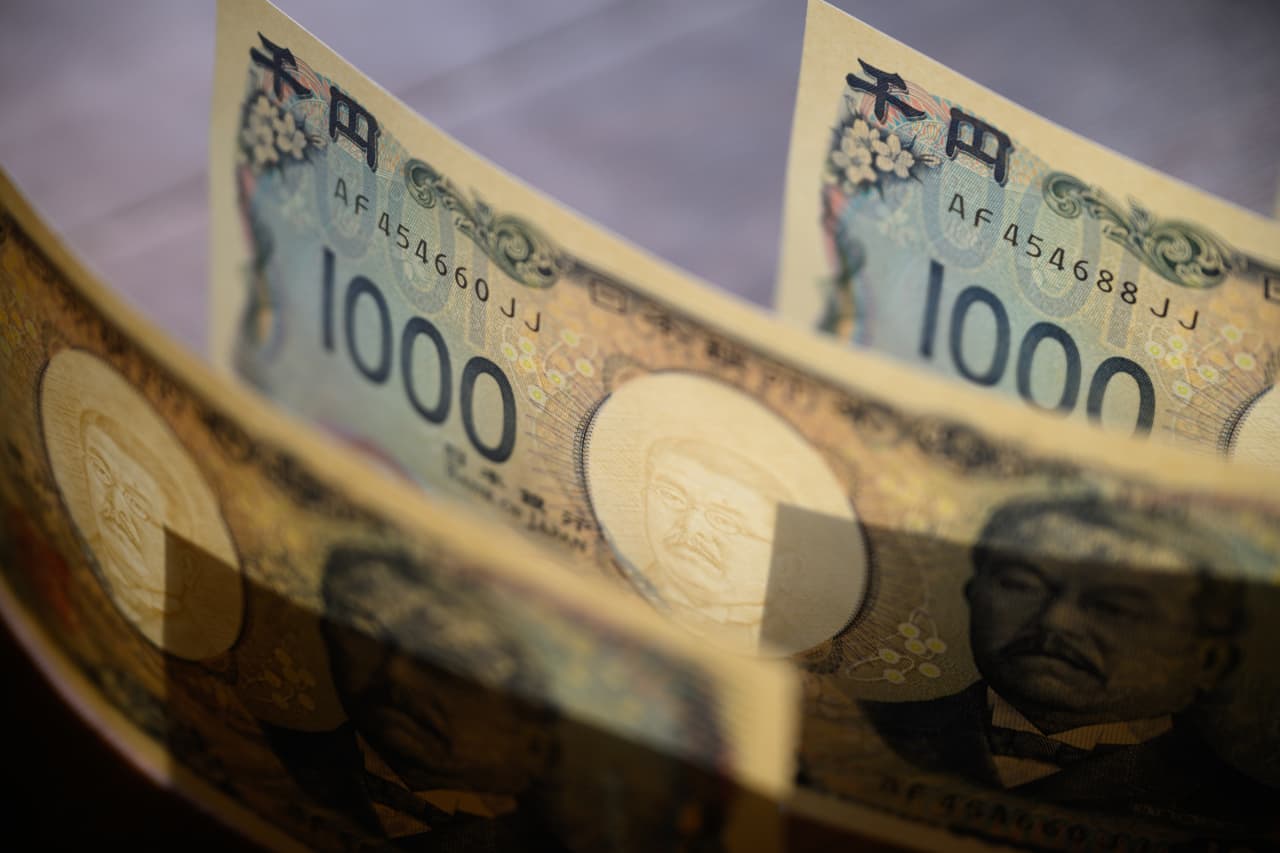
Bessent and Takaichi jointly worry about a wobbly yen, which brushed the psychological barrier of 160 to the dollar on April 30, before official intervention beat it back to about 158. For the Japanese leader, weak currency means more imported inflation. For the White House, it means cheaper Japanese exports and a bigger trade deficit. “We both believe that excess volatility is undesirable,” Bessent told reporters.
How to buttress the yen is another matter. Bessent “put pressure” on Japan for a classical recipe of tighter budgeting and interest-rate hikes, says Shigeto Nagai, head of Japan economics at Oxford Economics. The Bank of Japan’s prime rate remains at 0.75%, depressing bond yields that might suck more capital in.
The problem is that Takaichi just won a landslide election on a platform of boosting growth with fiscal loosening and jawboning the BOJ in a dovish direction. The Iran-driven energy shock increases her political incentive to spend more. “If the strait stays closed through June, Japan will need more supplemental budgets and increased JGB [sovereign bond] issuance,” says Aaron Hurd, senior currency portfolio manager at State Street Global Advisors.
Japan brings a sturdy boat to sail between this rock and hard place. “The market has been more resilient than I would have predicted,” says Drew Edwards, head of Japan value equities at GMO. “Capex has not been cut. Consumers have not become more conservative.”
Tokyo’s legendary long-term thinking left it with 260 days’ worth of fuel reserves when the war started, he adds. The war could make it easier for Takaichi to reopen mothballed nuclear plants that were supplying 30% of the country’s electricity before the 2011 Fukushima disaster. Japan Inc. is “very bullish about Takaichi and her plans to embed inflation,” says Daniel Hurley, a portfolio specialist for international equities at T. Rowe Price.
Japan boasts a deep bench of manufacturers critical to building out artificial intelligence globally. Companies like semiconductor equipment maker Tokyo Electron and silicon wafer giant Shin-Etsu Chemical have kept stock indexes buoyant and powered a 12% jump in exports year over year in the first quarter of 2026.
“Japan is a wide-ranging beneficiary across the whole AI supply chain,” says Shuntaro Takeuchi, portfolio manager for the Matthews Japan Fund.
The Iran war also increases “Trump’s incentives to be nice to Japan,” Oxford’s Nagai argues. Troop commitments in the Middle East magnify the importance of Tokyo’s increasing military muscle in Asia. More concretely, ever-increasing U.S. debt underlines Japan’s role as the largest foreign holder of Treasury bills, its $1.25 trillion stash nearly twice the size of China’s.
State Street’s Hurd is “tremendously bullish on Japan once things stabilize.” He sees a sweet spot for the yen in the “low 140s.”
“Stabilize” means the war ends, the BOJ gets back to hiking without fear of a global recession tanking Japan’s export engine, and the U.S. Federal Reserve returns to cutting without fear of resurgent energy-driven inflation.
When that will happen, no one can say.
Write to editors@barrons.com