Costs for Medigap insurance are rising fast. Retirees have other options if it becomes unaffordable.
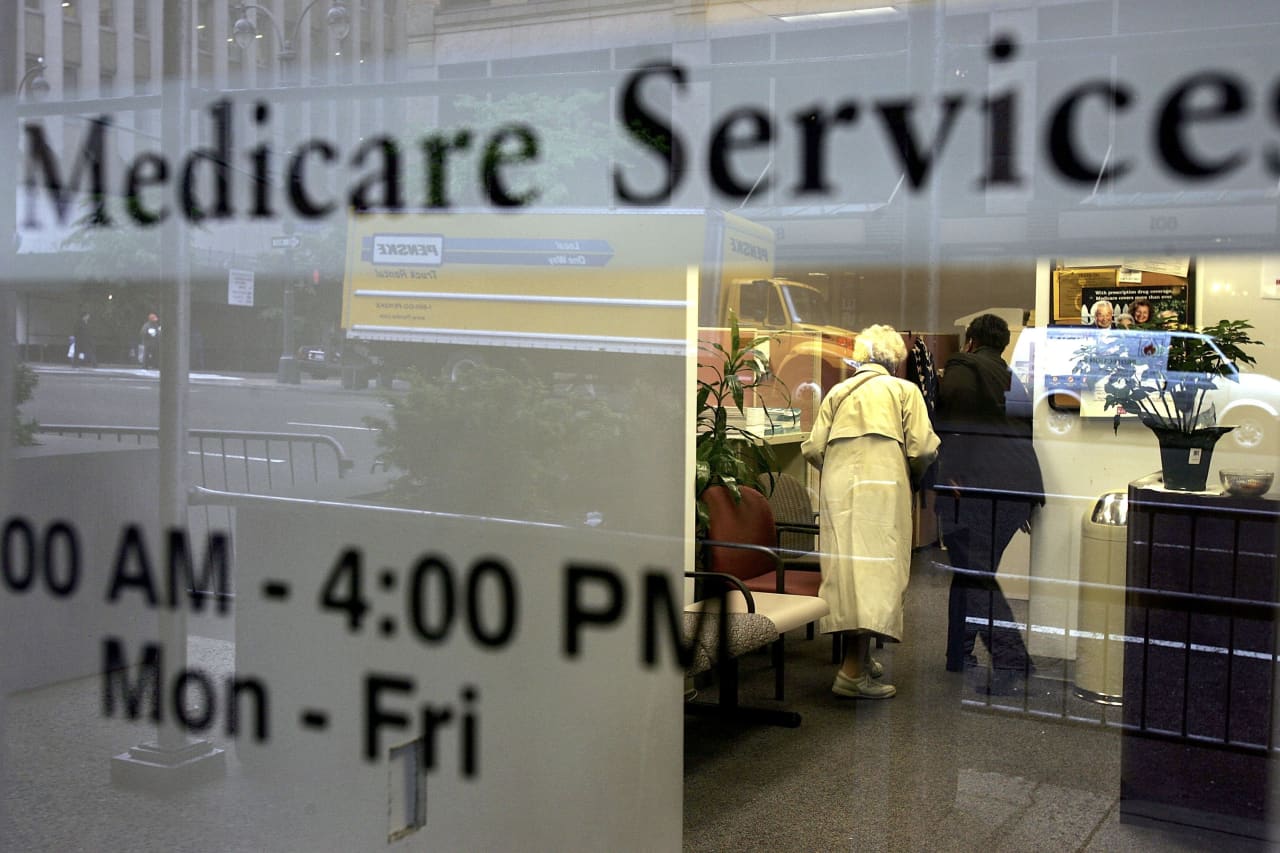
Norma Frerichs was shocked to learn how much her monthly Medigap premiums would cost for 2026.
“I did a double take,” says Frerichs, 89, from Atkinson, Neb. “It seemed $711.47 was an awful lot to pay.”
Healthcare costs typically mount at a higher rate than overall inflation, and Medigap policies can be a budget buster. Medigap policies sit alongside traditional Medicare plans and are optional coverage designed to pay for uncovered costs like copayments, coinsurance, and deductibles.
They’re getting costlier, rising at a faster clip than some other areas of health insurance. The average long-term inflation rate for Medigap is 8% a year, compared with 7% for Part B outpatient premiums and 4.8% for Part D drug premiums, according to HealthView Services, a healthcare data analytics firm.
This year saw even bigger increases in Medigap premiums. A study by Omaha, Neb.–based Telos Actuarial found that premiums for Plan G, the most comprehensive policy available, rose roughly 16% to 21% year over year in certain markets. The study cited higher claims and insurers’ attempts to spend less on care relative to premiums as reasons behind the rise. Premiums for Frerichs’ Plan F policy, which Medicare has discontinued for new members, rose by $100 a month, or 16%.
Seniors’ options are limited when Medigap costs become prohibitive. Dropping coverage exposes patients to potentially high costs at the doctor’s office. Under Part B, Medicare typically pays for 80% of covered services. Enrollees are responsible for the other 20%—an amount that isn’t capped. With Plan G, the only out-of-pocket cost that enrollees are responsible for is the Plan B deductible, which is $283 for 2026.
Switching Medigap policies isn’t easy. You can try anytime, but in all but a couple of states the policies are medically underwritten. Outside of a six-month open enrollment window, you can be denied a policy or charged more based on your health status.
Exceptions with the most flexible rules include New York and Connecticut; because insurers must take all comers, policies in these states are more expensive. More states have a so-called birthday rule, which allows policyholders a guaranteed-issue window around their birthday every year.
For those seeking lower monthly costs, high-deductible Plan G policies are available in some states. Before your policy pays anything, you’ll owe Medicare-covered costs until you reach a deductible of up to $2,950 in 2026. In exchange, you pay lower premiums. Premiums for a 65-year-old nonsmoking woman in Omaha, for instance, range from $137 to $915 a month for a standard Plan G policy and from $45 to $83 a month for a high-deductible Plan G policy, according to Medicare’s Plan Finder tool.
Another option is to drop traditional Medicare and switch to Medicare Advantage during open enrollment in the fall. Also known as Part C, this privately run alternative to traditional Medicare now enrolls more than half of all beneficiaries. It typically bundles Part A hospital coverage, Part B outpatient coverage, and Part D drug coverage–often for $0 monthly premiums. (Members still pay the monthly Part B premium of $202.90 a month in 2026, or more for higher earners.)
Advantage plans can be economical—until health conditions mount. With Medicare Advantage, your monthly costs are low but your costs at the doctor’s office or hospital can be high; with Medigap, the opposite holds true.
What’s more, many Advantage plans are structured as health maintenance organizations with limited choices of doctors, referral requirements for specialists, and prior authorization requirements for certain procedures. It would be an adjustment for someone accustomed to traditional Medicare to switch to an Advantage plan and bump up against these restrictions, says Louise Norris, health policy analyst at MedicareResources.org.
You can get free, unbiased help navigating your Medicare options from your local State Health Insurance Assistance Program.
For Frerichs, Medigap’s rising cost is forcing spending cuts. She and her husband have cut back on expenses to afford the combined $1,300 a month they pay for Medigap. They eat out less and closely watch their electricity and water use. Every bit counts when health insurance swallows up so much of the budget.
Write to Elizabeth O’Brien at elizabeth.obrien@barrons.com