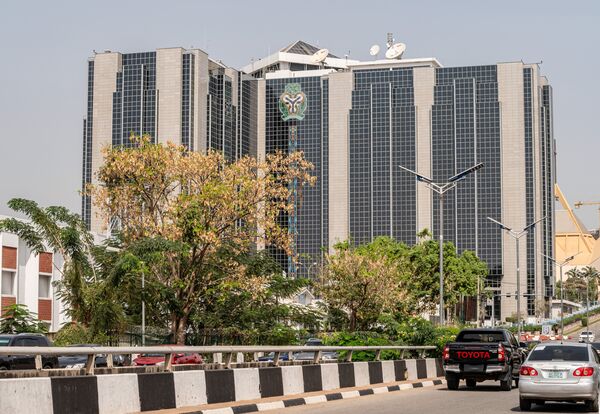
The International Monetary Fund said Nigeria should maintain tight monetary policy to curb inflation, while cautioning that a recently announced $5 billion debt swap poses potential risks.
“Monetary policy must remain tight for longer than previously expected given inflationary pressures from the war in the Middle East and a global risk-off environment,” the Washington-based lender said in an annual economic health assessment of the country published on Tuesday.
Nigeria’s central bank left its benchmark interest rate at 26.5% last month after a cut at its previous meeting as policymakers expect a recent uptick in inflation driven by higher energy and food prices because of the Iran war to prove temporary. The fund now expects Nigeria’s annual inflation rate, which stands at 15.7% , to average 16% this year.
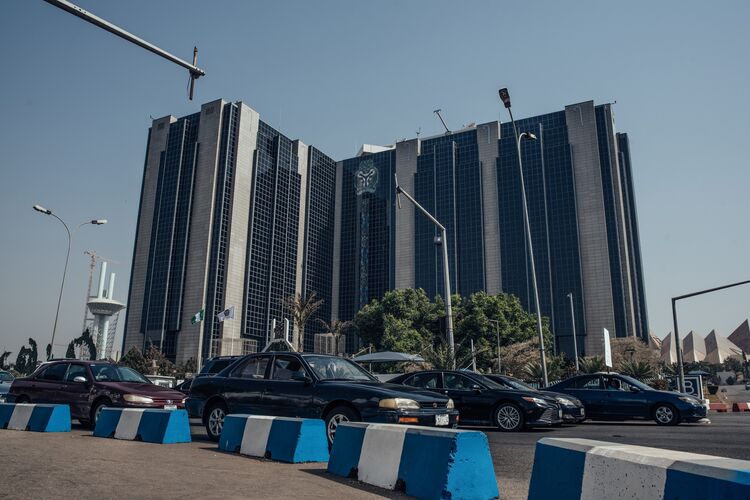
The lender warned that complex financing structures, including a $5 billion total return swap agreement Nigeria entered into with First Abu Dhabi Bank PJSC, could undermine the central bank’s independence in setting monetary policy.
The IMF described the deal as opaque and lacking transparency, cautioning that the “high collateral and possible margin calls introduce additional fiscal risks and could give rise to political constraints on monetary or exchange-rate policy.”
Despite the fallout from the Iran war, the IMF still expects the economy of Africa’s largest crude producer to expand 4.1% this year and 4.3% in 2027 — in line with its April forecast.
The outlook is underpinned by President Bola Tinubu’s reforms. He has overseen changes to Nigeria’s currency, tax and energy policies, winning praise from the IMF and other international observers, while fueling public discontent as Nigerians grapple with a sharp rise in living costs.
“Conditions for many Nigerians remain difficult,” the IMF said, noting that 63% lived below the national poverty line, and an estimated 27 million citizens faced food insecurity in the fall of 2025.
Nigeria’s Finance Minister Taiwo Oyedele acknowledged that more needs to be done.
While progress is being made, with per capita income growing by nearly 10% last year indicating a marked reduction in poverty levels, “we are mindful that macroeconomic stability, while necessary, is not sufficient on its own,” he said. “Economic growth must be inclusive and must translate into tangible improvements in the welfare of Nigerians.”
The IMF suggested the country implement structural reforms to address challenges in the electricity sector, infrastructure, agriculture, and human capital formation and improve security to facilitate high and inclusive growth. It also urged authorities to further strengthen supervision and bring stablecoin and other crypto-asset activities into the regulatory perimeter.
Sign up here for the daily Next Africa newsletter and subscribe to the Next Africa podcast on Apple , Spotify or anywhere you listen .