By David Herbling | Updated on Jun 09, 2026 at 04:54 PM
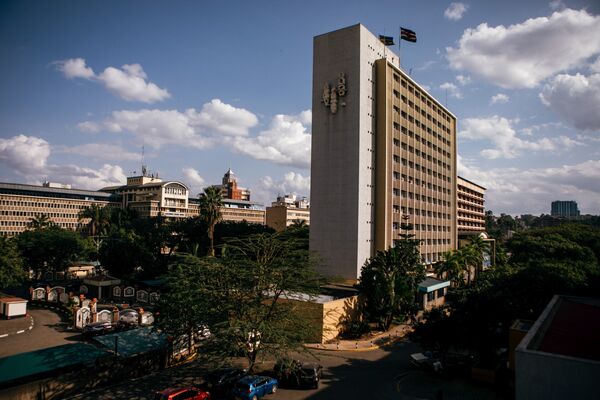
Kenya’s central bank left its benchmark interest rate unchanged for the second time in a row, as it monitors the impact of the ongoing conflict in Iran on the economy.
The monetary policy retained the key rate at 8.75%, Governor Kamau Thugge said in an emailed statement Tuesday. That matched the forecast of all six economists in a Bloomberg survey.
“The conflict in the Middle East has disrupted global supply chains and led to a sharp increase in energy prices and transportation costs, resulting in higher inflation and moderated global growth prospects,” Thugge said.
The rate-setting team will “continue monitoring the evolution of global oil prices and any second-round effects on inflation, as well as other developments in the global and domestic economies,” the governor said.
The US-Israeli war on Iran has forced emerging-market central banks including Indonesia, Turkey and South Africa to either pause or reverse their monetary easing cycles as surging oil prices and renewed currency pressure spawn higher inflation. Prior to holding rates at its last MPC meeting in April, the Kenyan central bank had lowered borrowing costs on 10 consecutive occasions by a cumulative 425 basis points.
The annual inflation rate in the East African nation jumped to 6.7% in May from 5.6% in April on fuel costs, while core inflation was 3.2% in May, compared with 2.8% in the previous month.
Price growth is now at the upper end of the 2.5% to 7.5% range that the central bank targets. Still, overall inflation will likely remain within that band in the near term, assuming a de-escalation of the conflict, Thugge said.
Diesel costs in Kenya have jumped 40% and gasoline prices 20% since the start of war, sparking protests in which at least 12 people have died.
The decision to hold rates means authorities “have a benign outlook on inflation,” said Churchill Ogutu, head of research at Nairobi-based Capital A Investment Bank. “It means they don’t see it crossing the 7.5% upper range.”
Should the rate continue to climb, it’ll likely breach the central bank’s target band to a three-year high. Still, the Kenyan shilling has remained stable and stuck in a narrow range against the dollar, while the nation holds $13.2 billion in foreign-exchange reserves to cover almost six months of imports.
That should continue to provide adequate cover and a buffer against short-term domestic and external shocks, Thugge said.
Kenya’s economic growth is seen at a lower 4.9% this year, from the previous 5.3% projection, due to Iran war fallout, according to the governor.
Its current-account deficit is seen widening to 3% of gross domestic product, compared with 2.1% in 2025, reflecting the higher oil prices, lower income from services, slower growth in remittance inflows and reduced exports.
Private-sector credit growth of 9.3% in May, compared with 7.1% a month earlier reflects “improved demand for credit in line with the decline in lending interest rates,” according to the statement.
The Next Africa newsletter runs every weekday. Sign up here for the newsletter, and subscribe to the Next Africa podcast on Apple , Spotify or anywhere you listen .