Kuwait is seeking pipeline alternatives to export its crude oil as the near-closure of the Strait of Hormuz starves the market of vital barrels and Persian Gulf producers of the cash to run their economies.
State oil producer Kuwait Petroleum Corp. is in talks with neighboring Saudi Arabia and United Arab Emirates about expanding their pipeline systems to handle Kuwaiti barrels, Chief Executive Officer Sheikh Nawaf Al-Sabah said at a conference in Washington. He didn’t say how far advanced talks were or when flows of Kuwaiti barrels could start.
The Middle East conflict has led to unprecedented upheaval in global markets, impacting about a fifth of daily oil and gas supplies out the Gulf. An uneasy US-Iran ceasefire is dragging on, leaving the region’s producers uncertain about the future of freedom of navigation through Hormuz and its viability as an export route.
Kuwait, which is entirely reliant on the waterway for its energy exports, has sharply curtailed crude production since the war broke out at the end of February. It continues to run fields at minimum levels to avoid damage to wells, meet domestic fuel demand and allow for a quick return to normal.
Read: Kuwait to Look at Expanding Global Oil Storage After Iran War
Saudi Arabia’s cross-country pipeline to the Red Sea coast has been the country’s main lifeline for crude, providing capacity to handle about 70% of the country’s regular exports. The kingdom is looking at ways to expand export capacity at ports on its western coast, Saudi Aramco CEO Amin Nasser said last month. He didn’t discuss expansions of pipeline capacity.
The UAE has a pipeline running from Abu Dhabi’s desert oil fields to the port of Fujairah, a trading hub outside Hormuz. State producer Abu Dhabi National Oil Co. is building another crude pipeline to double export capacity and is considering a link to carry refined products.
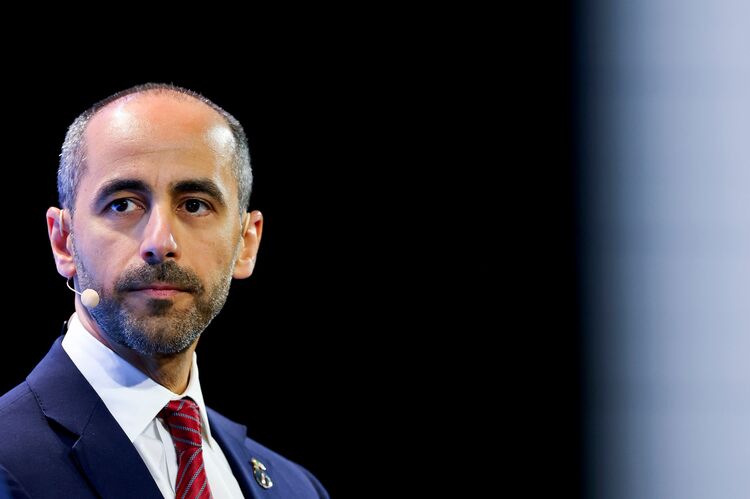
“When you look at pipelines, they are only as safe as the export facility at the end of it,” said Sheikh Nawaf. “You’ve seen how Iran targeted both the Saudi and Emirati ones.”
Pumping stations and export facilities are the most vulnerable points in pipeline infrastructure and Kuwait and other Gulf countries will discuss with each other and the US about improving protection like air defences for the assets, he said.
Kuwait is also looking at opportunities to store more oil abroad, Sheikh Khaled Al Sabah, managing director of international marketing at KPC, said at the S&P Global conference in London earlier this month.