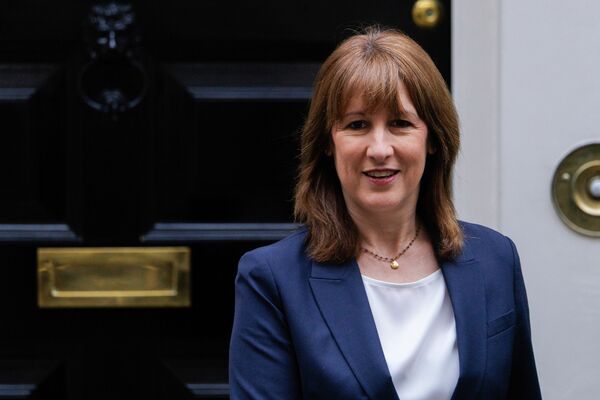
Chancellor of the Exchequer Rachel Reeves said she will ease the tax burden faced by rich US investors wanting to relocate to the UK.
Reeves plans to address the issue of so-called double or treble taxation faced by British residents who are members of US limited liability companies. They are currently charged in both countries on their earnings from those structures.
The plan is to change the UK law to reduce the effective tax rate paid by those individuals, according to a Treasury consultation document published Wednesday and seen first by Bloomberg. The consultation will end in July and the changes will be made “shortly after,” Reeves told a gathering of investors and entrepreneurs in No 11 Downing Street on Wednesday, according to a Treasury readout.
In short, the aim is to remove a barrier stopping top-earning Americans from moving to Britain.
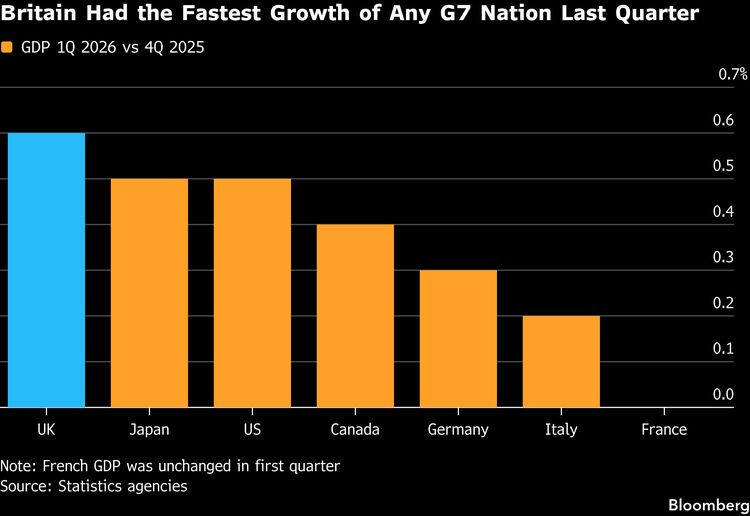
The UK was the fastest-growing economy in the Group of Seven in the first quarter, but economists expect significant headwinds for Britain from the impact of the Iran war. The challenge for Reeves is to lift Britain’s growth rate and improve the fortunes of Prime Minister Keir Starmer’s struggling Labour government in a difficult geopolitical climate.
“There is great interest among wealthy US nationals to seek a home in the UK,” said Mark Jephcott, senior relationship manager at Utmost Group PLC, a provider of life insurance and pensions. Jephcott said that Reeves’ move would be welcome, but that the government “needs to offer a more competitive tax regime alongside this, which plays a central role in relocation decisions.”
Reeves has been considering a range of options to attract the wealthy to Britain, including a new visa that would give three years of residency to those investing at least £5 million ($6.7 million) in the country.
The Treasury’s plans come against the backdrop of a hit to the UK’s reputation as a destination for globally-mobile rich investors in recent years, after Britain imposed higher taxes on well-heeled individuals hailing from abroad known as non-doms. Those changes took effect last year, widening reforms first proposed in early 2024 under the then-ruling Conservative Party. Since then, billionaires such as John Fredriksen, Nassef Sawiris and Guillaume Pousaz have left the country or curbed their ties.
In 2022, the UK also scrapped a flagship investor visa program that allowed foreign nationals a path to residency in exchange for more than £2 million, as the UK sought to curb the influence of Russian money. That move made it more complicated for overseas high-net-worth individuals to come to the UK, while other global wealth hubs such as Dubai, Milan and Abu Dhabi have been ramping up efforts to court the global elite.
Changing the rules on how wealthy US expats are taxed will be “just one more barrier that we remove, to give you greater confidence about bringing yourself, your family, your wealth and your ideas to this country,” Reeves told the gathering on Wednesday.