The US sanctioned Cuba’s state oil and gas company, potentially derailing a deal to send fuel to the communist-run island’s private sector in the middle of a dire energy crisis.
Unión Cuba-Petróleo, known as Cupet, was added to the Treasury Department’s blacklist on Thursday, according to updated guidance from the Office of Foreign Assets Control.
Cupet pumps the roughly 40,000 barrels per day of oil that Cuba produces itself, which covers only two fifths of the island’s needs. It’s also responsible for the nation’s refineries, fuel distribution and much of its energy infrastructure.
“Like every resource on the island, energy has long been weaponized by Cuba’s communist government as a tool of both repression and self-serving regime kleptocracy,” Secretary of State Marco Rubio said in a statement, adding that Cupet had “unlawfully expropriated” US-owned assets years ago.
Given Cupet controls nearly all gas stations in Cuba, the move represents an obstacle to talks between a Florida trading company and authorities in both Washington and Havana aimed at sending the biggest cargo of US fuel to the island since the 1960s.
Vanguard Energy said this week it is taking steps to export 250,000 barrels of diesel and gasoline, designated exclusively for the private sector rather than state actors. The company didn’t immediately respond to a request for comment Thursday.
The US eased restrictions in February to allow sales of fuel to private Cuban firms, but the Cupet sanctions undermine that policy, according to Michael Bustamante, director of Cuban studies at the University of Miami.
“The private sector actors don’t have a fleet of their own vehicles, nor can they go to the local fuel distribution truck dealership and buy their own,” Bustamante said by phone. Those taking advantage of the US exemption for supporting private businesses sought alternate arrangements, he added, and “at least in some cases, leased equipment from the only game in town, which is the state oil company.”
Bustamante expressed puzzlement over the latest sanctions, given the loophole for the private sector was opened so that goods could continue moving and total collapse could be staved off. Thursday’s move “reads like a quick political reaction to manage South Florida anxieties” about the Vanguard deal and its historic scope, he said, given many in the Cuban exile community “continue to talk about the private sector in quotations, as if it doesn’t exist.”
Rubio, however, laid the blame for the new sanctions on Cuba’s government. He accused Havana’s leaders of habitual personal enrichment by “reselling countless barrels of scarce energy on the secondary market, hoarding energy supplies for its military, intelligence and repressive forces, and rationing energy as a tool of social control.”
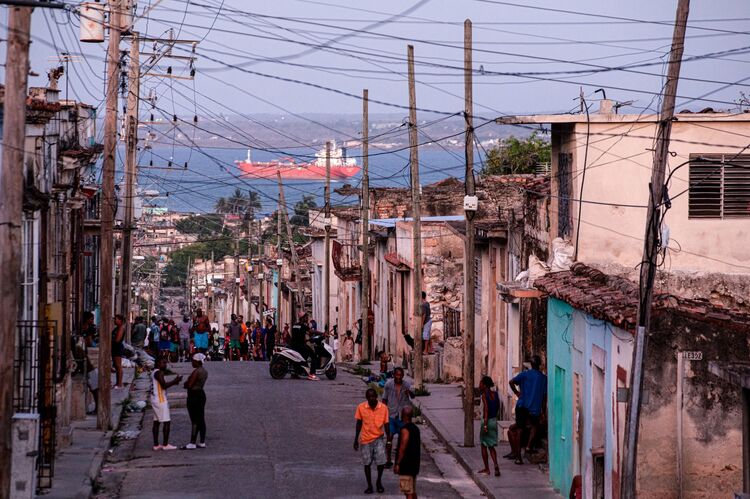
After capturing Cuba’s principal ally in Venezuela at the start of the year and cutting off its supply of subsidized oil, President Donald Trump’s administration has imposed a de facto oil blockade on the island of 10 million people. Aside from one Russian tanker that was waived through, Cuba hasn’t receive a major fuel delivery since then, prompting many industries and much of daily life to grind to a halt.
Hoping to end nearly seven decades of one-party rule, Trump’s team has steadily increased sanctions, unveiling murder charges against revolutionary leader Raúl Castro last month and adding President Miguel Díaz-Canel to the same Treasury blacklist as Cupet last week.