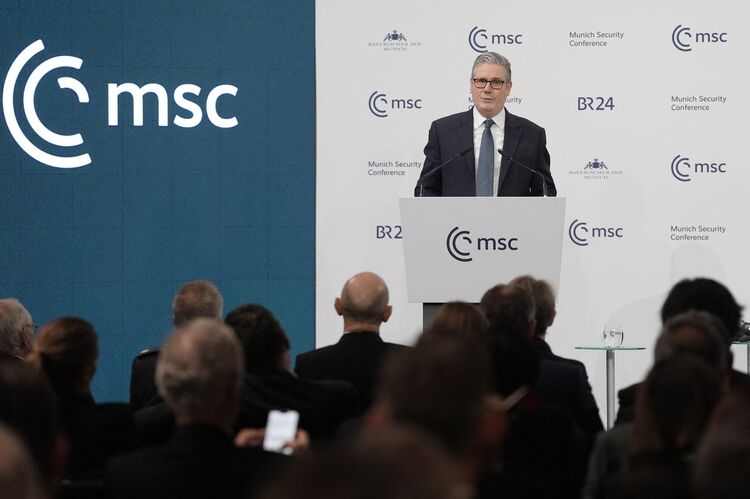
In a rousing speech in Munich in February, Keir Starmer vowed to “spend more, faster” to counter the threat from Russia. Four months later, his defense secretary quit · over the embattled UK premier’s failure to follow through, destroying his best shot at a lasting legacy.
Starmer and his allies have long paraded UK leadership in NATO as one of the prime minister’s greatest strengths. Under Labour, Britain led the formation of the coalition of the willing for Ukraine, deepened defense partnerships with France, Germany and Norway, and developed plans to de-mine the Strait of Hormuz. Under pressure from US President Donald Trump, he’d also joined other NATO countries in promising to raise defense spending to 3.5% of gross domestic product by 2035.
Pledges to step up military expenditure after a decline under 14 years of Conservative rule meant defense — unusually for a Labour government — was a bright point for Starmer, even as domestic economic challenges mounted and his party’s mutinous lawmakers called for him to quit.
But with potential challengers to his leadership circling, John Healey’s resignation and broadside against Starmer leave him badly damaged and the UK with diminished credibility as a leading military force. The premier’s foot-dragging and inability to deliver the cash demanded by defense officials, Healey said in his resignation letter, risked leaving Britain “less safe” and in breach of its NATO commitments.
“Strong public finances are part of what keeps us safe,” Starmer wrote back in a terse reply in which he defended his record and said he wanted to increase defense spending in a “sustainable” way. “Irresponsible borrowing only puts that at risk,” he said.
“The immediate consequence is not just political embarrassment for No. 10, but a significant loss of planning certainty at a time when the British armed forces, the MoD, and industry really need clarity on what will be funded, and when,” said Professor Kevin Rowlands at the Royal United Services Institute.
Both Wes Streeting, who quit as health secretary last month, and Greater Manchester Mayor Andy Burnham — who will fight a parliamentary by-election next week — have indicated they’re seeking to replace Starmer as prime minister. Healey and other defenders of Starmer have argued that ousting him would be unwise at a time of great global instability, with war waging in both Ukraine and Iran.
That argument has now been undermined by the departure of the defense secretary, and his stated reasons for leaving office. The risk now for Starmer is that Healey’s departure may speed up his own political demise.
With the potential for a challenge from Burnham as soon as next week — the by-election is on June 18 — Starmer had hoped he could retain the loyalty of key members of his cabinet, and was trying to balance the competing demands of Healey and Chancellor of the Exchequer Rachel Reeves. That desire to keep his top team on board now appears forlorn after the departure of one of his staunchest allies.
One government adviser said they felt they were on board the Titanic.
The resignation cuts much deeper for the premier than those of Streeting and other more junior ministers who quit last month in a concerted effort to displace Starmer. That’s because Healey was viewed as the consummate loyalist, an unshowy politician who shunned photo opportunities and expressed no ambitions for the top job.
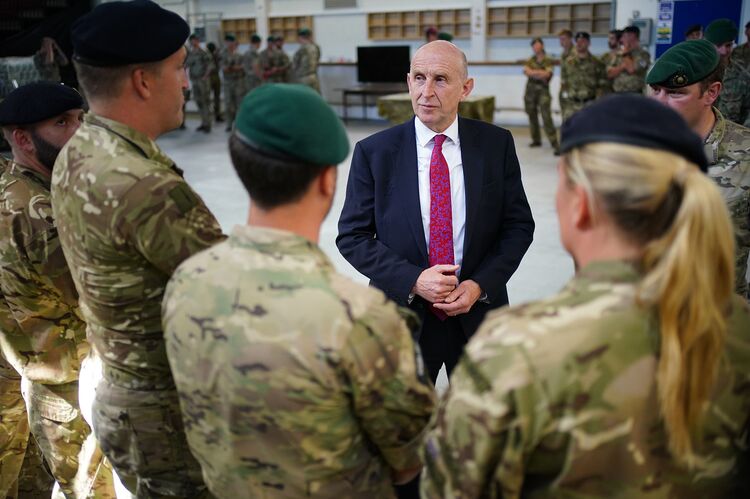
In Munich, instead of spending his birthday at a flashy dinner seated between high-flying politicians and businesspeople, Healey opted for a low-key meal and beer at a traditional Bavarian tavern with his team of advisers, armed with the HP sauce he always travels with. He’s well liked across political parties and government for his manners, work ethic and measured demeanor.
Even so, the defense industry and military had grown increasingly critical of Healey’s oversight of the delayed defense investment plan in recent months.
“This endless cycle of over-promising, underfunding with no underpinning plan, is choking confidence across the defense industry at exactly the moment Britain should be rearming at pace,” said Rob Taylor, Managing Director at 4GD.
In the run-up to the security conference in Munich where he gave his speech, Starmer’s team had considered setting a firmer commitment on when the UK would increase defense spending, according to people familiar with the matter.
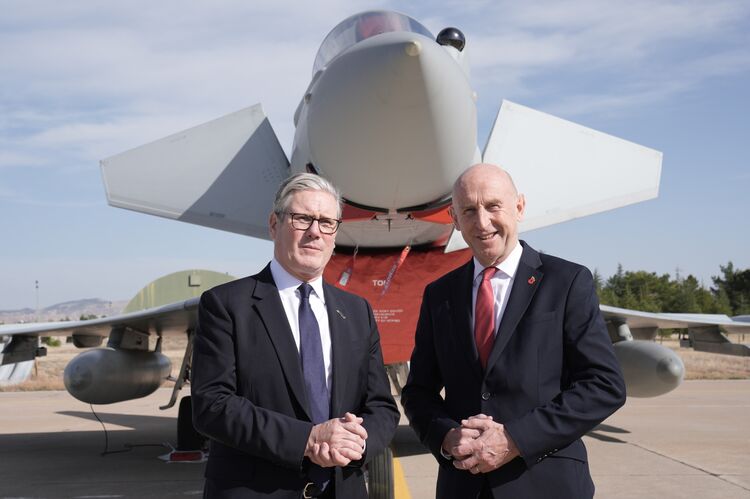
Healey and his military chiefs were pushing for a commitment to spend 3% of economic output by 2030, having warned Starmer months before that there was a significant shortfall in the defense department’s spending plans. They were backed by Starmer’s then chief of staff, Morgan McSweeney.
But McSweeney’s resignation days before the conference meant Healey’s ministry lost an influential voice in favor of defense spending in No10, and the Treasury was able to dig its heels in over the months that followed. Although Starmer was supportive of Healey’s position, he ultimately couldn’t sway the Treasury.
In Healey’s words: Starmer was “unable” and the Treasury was “unwilling to commit the resources that the nation needs to defend the country at this time of rising threats.”
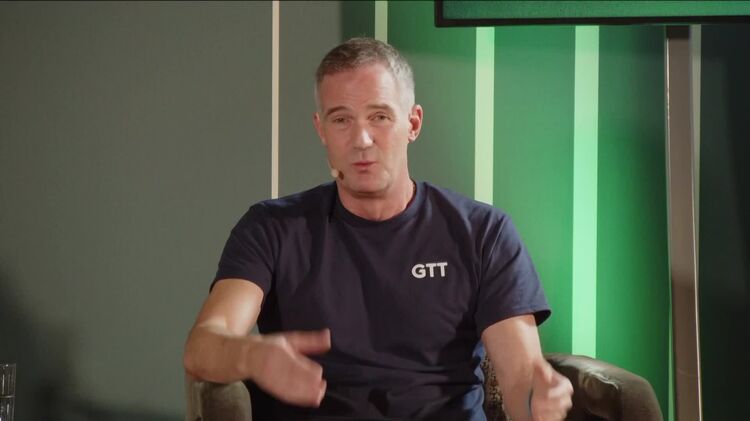
Later that month, the dispute between the Treasury and MoD burst into public view over a £1 billion ($1.3 billion) helicopter contract. The Treasury delivered a rare and blistering briefing against the MoD, saying Reeves had personally intervened to save the deal from collapse after defense officials had “deprioritized” it. The MoD disputed that and said the Treasury were the ones withholding funding approval.
That was just the beginning of a messy period of negotiation over funding for the MOD’s 10-year investment plan.
Despite a £28 billion shortfall, the Treasury offered just £10 billion in real cash terms this week after failing to drum up more money through cuts in other departments. Rather than commit to reaching 3% by 2030 — an expensive task — the Treasury wanted to reach 3% in 2034/5 and just 2.68% in 2030, meaning spending would only rise a fraction over the three years, from 2.6% in 2027, Healey said.
That’s despite Starmer and NATO’s warnings that Russia could attack the alliance as soon as 2030.
Healey’s departure means the plan risks further delay and leaves Starmer without his top defense official days away from discussing a fighter jet program with Japan’s leader, and with the Group of Seven meeting and NATO leaders’ summit on the horizon. Healey had been due to lead a separate NATO ministerial meeting in Brussels next week, designed to spur support for Ukraine. He’d also been leading military plans to de-mine the Strait of Hormuz and a UK-France plan to send troops to Ukraine, both once peace is achieved.
“The prime minister’s ‘steady as she goes’ approach has proven to be seriously out of sync with changes in the strategic environment after Donald Trump returned to office,” said John Foreman, former UK defense attaché to Moscow. “It’s all blown up in his face.”