By Jorge Valero and Kamil Kowalcze | Updated on Jun 11, 2026 at 06:50 PM
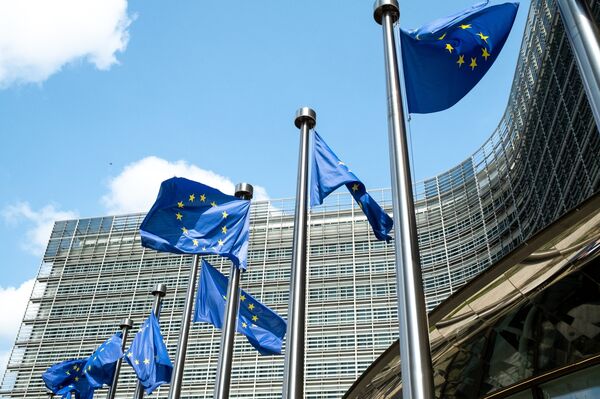
Several European Union countries are expressing concerns about the bloc’s move to loosen budget rules as the Iran war squeezes markets, arguing the continent may be eroding its fiscal discipline.
France and the Netherlands were among the countries that were critical during a euro-area finance ministers’ meeting on Thursday in Luxembourg, according to people familiar with the matter. Germany is also skeptical, the people added, speaking anonymously to discuss private conversations.
Others, including Spain, defended the tactic, which would let countries redirect unused flexibility for defense spending toward energy aid as fuel prices spiral.
Publicly, finance ministers said they want to learn more about the proposal.
“We will now wait for the concrete proposals, we will evaluate them, but we are paying attention to defense spending, we are paying attention to financial stability,” German Finance Minister Lars Klingbeil told reporters before the meeting.
The tussle highlights the EU’s difficult position. Officials want to help people facing rising costs as the Iran war drags on and the Strait of Hormuz, a vital commercial shipping route, remains closed. But there is anxiety about allowing countries to pump more money into the economy and accelerate inflation.
The European Commission, the EU’s executive arm, proposed the idea last week, bowing to pressure from leaders including Italian Prime Minister Giorgia Meloni.
The commission’s offer would only grant flexibility for green-energy spending, allowing countries to deploy up to 0.3% of gross domestic product annually toward these efforts through 2028 — capped at a maximum of 0.6% over a three-year period.
“What we are doing is contained both in terms of fiscal impact and timing,” EU Economy Commissioner Valdis Dombrovskis, saying the flexibility could be used for things like solar panels, energy efficiency and electric mobility.
Read More: EU Allows Room for Energy Crisis Aid, But With a Green Emphasis
The move has faced scrutiny from entities like the European Fiscal Board, the EU’s budget watchdog, which argued on Wednesday the leeway could drive up consumer prices and undermine the bloc’s revamped deficit rules.
Read More: EU Budget Leeway for Meloni and Peers Gets Slammed by Watchdog
Speaking Thursday, International Monetary Fund Managing Director Kristalina Georgieva said the commission had “done the best they can” to keep the proposal narrow and cautioned that countries must “be very careful” with energy aid measures.
“Don’t make decisions based on hope that it will be over soon,” she told reporters after the IMF released its annual assessment of common policies for the euro area. “And please, please, please for those with high deficit, high debt, be careful not to spend money you don’t have.”
Despite the warnings, capitals expect the commission’s proposal will move forward and are pressing officials to proceed cautiously, the people said.
A French Finance Ministry official said Paris was focused on ensuring the EU’s fiscal framework remained credible, taking into account lessons from the past. The official added that France did not plan to use any additional flexibilities.
A spokesperson for the Dutch government declined to comment. A spokesperson for the Spanish government did not immediately reply to a request for comment.
European Central Bank chief Christine Lagarde on Thursday reiterated that fiscal responses to the energy price shock should follow the three Ts: “temporary, targeted and tailored.”
“Fiscal sustainability is a crucial anchor for broader economic stability,” she told reporters, following the ECB’s decision to hike interest rates to combat rising inflation from the Iran war.
Eurogroup chief Kyriakos Pierrakakis defended the flexibility as “merited,” arguing it is part of preserving the continent’s security.
“This is a flexibility that comes on top of the existing one, which we allowed for defense,” he told reporters on Thursday. “At the end of the day, this also touches upon security.”