By Zoltan Simon and Marton Kasnyik | Updated on Oct 06, 2026 at 09:13 AM
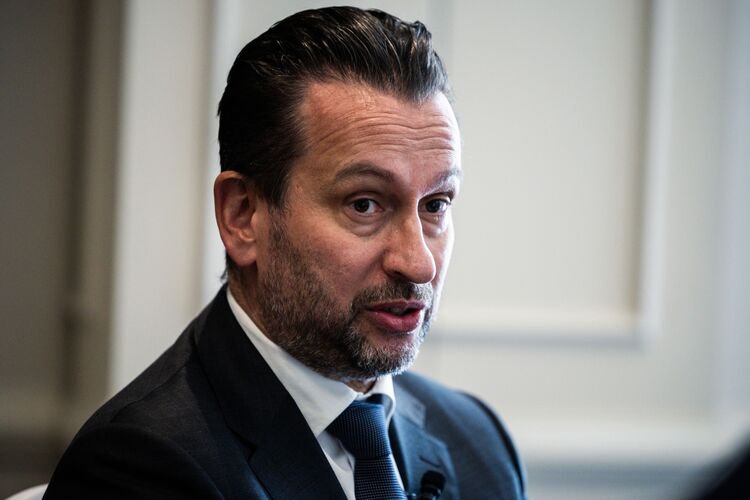
Hungary could adopt the euro as early as 2031 if the government set an ambitious goal of meeting the common currency criteria by 2029, according to central bank Deputy Governor Zoltan Kurali.
Such a scenario would mean that Hungary could already enter the exchange-rate mechanism known as ERM-2 — when the candidate country pegs its currency to the euro with a defined fluctuation band — in the middle of 2028, Kurali told a Portfolio conference entitled “Back to Europe” on Tuesday. The base-line case remains that the government meets euro criteria in 2030 and adopts the euro in 2032, he said.
Prime Minister Peter Magyar dislodged Viktor Orban from power in April’s watershed election with promises to return Hungary to the European mainstream and to adopt the euro. His government earlier set a 2030 goal to reduce the deficit to 3% of gross domestic product from an estimated 7.5% this year, though the specific targets are due to be unveiled in the coming weeks with the draft 2027 budget and the separate economic convergence goals.
Investors have piled into Hungary’s currency and bonds, betting that levels will gradually converge with the euro area as the country moves along the path toward the adoption of the common currency. The forint strengthened 0.4% against the euro after Kurali’s comments, underscoring the importance of the euro commitment for markets.
Read More: Hungary Should Start ERM-2 Talks After Budget, Kurali Says (1)
Kurali reiterated that Hungary shouldn’t delay joining ERM-2 once the government formally kicks off the euro-adoption process. He said the exchange rate at which the forint is fixed to the euro should be dictated by the central bank’s inflation goal — which is heavily influenced by the exchange rate — and the need to main economic competitiveness.
The ERM-2 period is poised to be more challenging than the experience of Bulgaria and Croatia — the most recent euro-area entrants — given that unlike those countries, Hungary has a free floating currency that the central bank will need to manage, Kurali said.