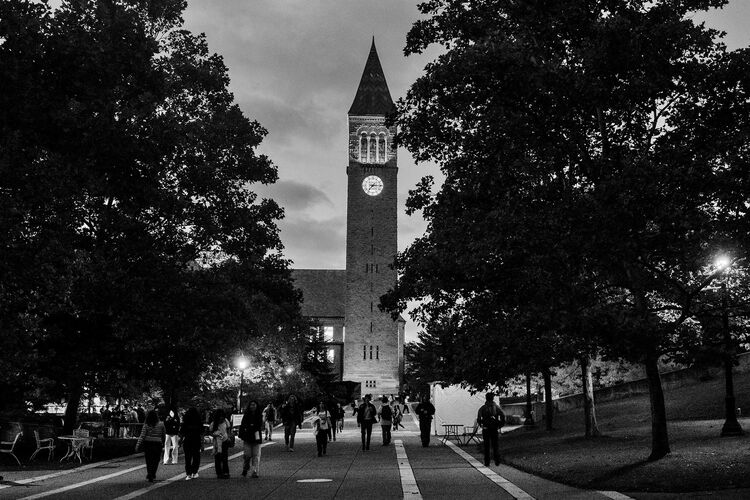
Year after year, college fraternities face accusations of abhorrent behavior. Reform requires a level of oversight and accountability that most universities, alumni and fraternity leadership have long resisted.
At Bloomberg News and as the author of a 2017 book, True Gentlemen: The Broken Pledge of America’s Fraternities , I spent two years investigating Greek-letter organizations. Then, as now, these centuries-old institutions face a reckoning.
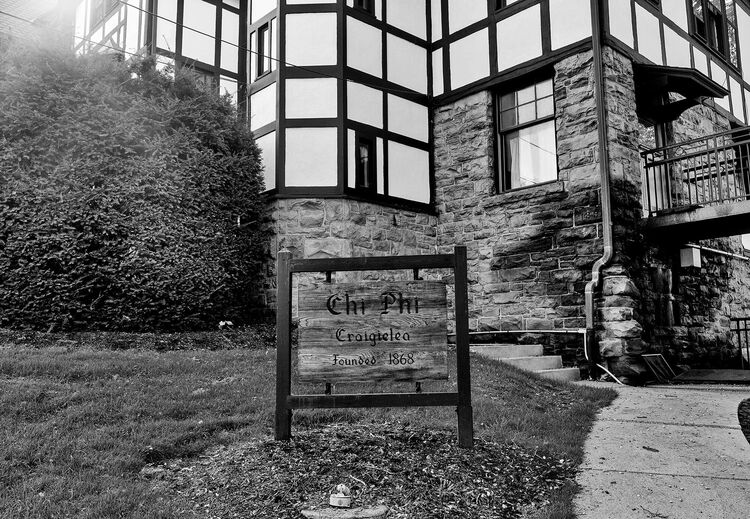
In a case drawing international attention, a lawsuit accuses seven Chi Phi fraternity members at Cornell University of gang-raping a 20-year-old woman in 2024 after allegedly plying her with alcohol, ketamine and marijuana. The civil complaint, filed last month in New York county court, includes what it claims is an image of a message in a Snapchat group called “Chi Phi Actives” that uses crude language from a member encouraging men to go upstairs at the fraternity house for “free” sex.
Campus police typically ignore reports of fraternity misbehavior until something horrific happens. Even then, men tend to elude criminal liability. Reported sexual assaults, as well as the hazing of new members, are rarely prosecuted. Families then turn to lawsuits to try to hold the organizations and universities accountable.
In the Cornell case the district attorney declined to prosecute at the time. He said the woman’s initial statement to police showed no evidence of incapacitation or lack of consent. After widespread outrage because he didn’t probe further, New York Governor Kathy Hochul removed him from the case on Oct. 1. She appointed state Attorney General Letitia James as special prosecutor.
Cornell says it instituted a range of sanctions against the seven men, including expulsions and suspensions , and is now hiring a law firm to conduct an inquiry. Chi Phi’s national organization says it permanently expelled the accused members, and its chapter kicked them out three days after the woman filed a police report. The men have denied wrongdoing .
Fraternities have a long history of out-of-control drinking and accusations of sexual assault. Studies consistently show both men and women in Greek life rank among the heaviest alcohol users on campus. In 1985 the Association of American Colleges identified reports of 50 gang rapes , mostly at fraternities. In one case that drew widespread attention, a woman in 1983 accused five to eight men of raping her at an Alpha Tau Omega party at the University of Pennsylvania, which suspended the fraternity. No one was charged.
Although rape is notoriously underreported, the data I found was disturbing. Female college students who attend frat parties are 1.5 times more likely to become victims of what researchers called “incapacitated sexual assault” than those who don’t, according to a 2007 study by the National Institute of Justice.
Women living in sorority houses, the population most exposed to frat parties, run three times the risk of rape, a 2004 study determined. Last year a survey of Cornell students found that 52% of undergraduate women affiliated with sororities reported experiencing sexual assault, compared with the 29% who didn’t belong.
Fraternity members are hardly safe either. Hazing, which often involves asking pledges to drink until they pass out, kills aspiring recruits with astonishing regularity. The practice, primarily at fraternities, has led to an average of five deaths a year since 2000, according to Hazinginfo.org, which tracks such episodes.
My research focused on Sigma Alpha Epsilon, a 170-year-old fraternity that’s considered one of the country’s most prestigious. From 2005 through 2013 at least 10 people died in incidents related to SAE, mostly from drinking and hazing, more than at any other fraternity . The organization almost lost its insurance coverage, which could have forced it to shut down. Few companies want to write policies for fraternities: In 1986 the National Association of Insurance Commissioners ranked fraternities as the sixth-worst risk, behind hazardous waste disposal companies and asbestos contractors.
A 2015 documentary accused SAE of fostering a culture of rape, noting its nickname of “Sexual Assault Expected.” A 2011 legal settlement forced SAE, unlike other fraternities, to disclose all campus infractions. The record showed that sexual assaults were alleged at 15 of the 230 chapters over five years. Most of those allegations disappeared without charges or any public reckoning. In a single 2014 Halloween weekend, three were reported at different chapters on both US coasts. One resulted in the convictions of two men, who’d been guests at the chapter but weren’t SAE members. The fraternity’s leaders disputed the fairness of the moniker and also said they’d instituted widespread consent training.
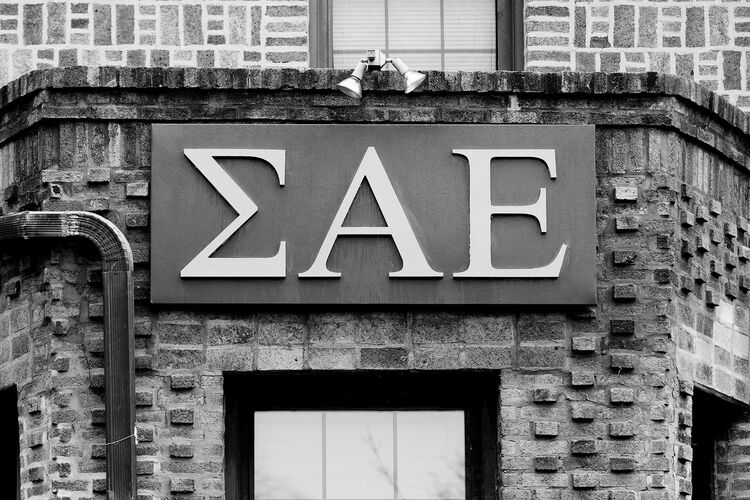
In 2014, SAE’s national leaders took a bold step that drew attention. They banned pledging , the probationary period when young men are most likely to be hazed, injured or killed. They welcomed scrutiny, hoping it would help reform the fraternity. Those who instituted the changes acknowledged that compliance with the ban may not have been perfect, but the number of dangerous episodes dropped.
Still, most large national fraternity organizations tend to provide little direct oversight of chapters, which are governed independently on each campus, as Chi Phi noted in a recent statement. New cohorts of young men join fraternities often without a real understanding of the risks of hazing and drinking. Colleges offer inconsistent regulation and can face a backlash if they crack down.
In 2017 a Pennsylvania State University student died from traumatic brain injuries in a liquor-soaked Beta Theta Pi initiation, according to the authorities. Prosecutors charged multiple members with involuntary manslaughter, but in the end they were convicted only on misdemeanor counts and sentenced to a few months of prison time.
Penn State cracked down on fraternities after that death. The university instituted a crucial change that can make students safer: deferring recruitment until the spring of their first year. In their initial months away from home, the youngest members are particularly vulnerable to drinking and hazing.
Fraternities tend to oppose that restriction because it keeps them from collecting dues and gives students time to reconsider whether they want to join. In April, at the urging of Greek leaders, Penn State dropped the rule. The university says most Greek organizations kept the deferred recruitment and those that don’t are subject to stricter safety rules and training.
But Penn State has hardly steered clear of trouble. In August state prosecutors charged more than a dozen people, mostly current and former students from Delta Upsilon and Sigma Chi, with operating a cocaine trafficking ring. Pledges allegedly cut and packaged drugs for sale on campus. (Some have indicated they’re fighting the charges.) Penn State spokesman Wyatt DuBois says the school placed Delta Upsilon on interim suspension and doesn’t recognize Sigma Chi, so it has “no authority to sanction the organization.” (Sigma Chi also placed the chapter on interim suspension .)
At Cornell an SAE member died in 2011 after being zip-tied and forced to drink until he passed out, the authorities said. A grand jury charged three former members with first-degree hazing and an offense related to providing alcohol to a minor, all misdemeanors. A judge found them not guilty; his reasoning is no longer public because the proceeding was sealed.
These kinds of shocking episodes often spur calls to ban fraternities, but it rarely happens. The Greek world is powerful . Its alumni include US presidents, members of Congress, Supreme Court justices, and titans of Wall Street and industry. Only a few schools, mostly small liberal arts colleges such as Williams and Amherst, have actually banned fraternities. As government entities, public universities can’t prohibit students from joining fraternities because of constitutional protections for freedom of association. And colleges that kick fraternities off campus lose all leverage over organizations that will still be associated with them, officially or not.
At the same time, Greek organizations remain popular. Many men and women view fraternities and sororities as gateways to lifelong friendships and powerful career networks. These social organizations also offer in-person interactions that are becoming increasingly rare in the digital age.
If Greek life is here to stay, how can it change? What seems to work are public-health approaches. Enforcing laws against underage drinking. Cracking down on out-of-control parties. Offering alternatives to fraternity socializing, as well as alcohol-free housing.
Cornell has said the school takes sexual violence extremely seriously. It sent a campus alert about the alleged sexual assault reported at the Chi Phi House. It also held extensive internal investigations and convened a presidential task force. Its March report recommended clearer and more up-to-date information about discipline as part of the chapters’ online Organization Scorecard on Cornell’s Sorority & Fraternity Life website .
In a video on Saturday, Cornell President Michael Kotlikoff said the school had already started implementing the task force’s recommendations, including changes in education and prevention. The episode, he said, raises what he called heartbreaking questions about sexual assault, party culture, and alcohol and drug use, which the school will address. “That broader work should include a serious look at the role of fraternities and sororities in campus life,” Kotlikoff said. “At their best, these organizations can provide students with friendship, belonging, mentorship and a powerful sense of community. But being part of a group can never diminish individual responsibility for our own actions, for how we treat others and for speaking up when someone may be at risk.”
For now, Cornell’s Greek life website endorses fraternities, calling them “values-based social organizations” that have fostered “leadership development and service projects” ever since the early years of the Ivy League school, founded in 1865. “Cornell’s co-founder and first president, Andrew Dickson White, was a strong promoter of fraternal organizations as a means of teaching self-governance to students,” the website states. “Today, we strive to continue that ethos.”
The website includes some disciplinary information, at times vague accounts of sanctions for misbehavior described as violations of “event management policies.” The Organization Scorecard for Chi Phi lists violations dating to 2018, such as public urination, hazing and distributing alcohol to individuals under 21. The “Judicial History” section doesn’t include allegations of a gang rape or even the alert Cornell sent out about a sexual assault.
The scorecard mentions Chi Phi’s punishment in just two words: “Interim Suspension.” That phrase suggests the fraternity will one day be back.
Read next:
The Cyberbullies of 764 Torment Teen Girls as Blood Sport