Chancellor Friedrich Merz’s government is struggling to agree on a package of measures to contain Germany’s widening budget gap in a growing dispute that’s becoming a danger to the coalition’s survival.
The measures under discussion could generate more than €4 billion ($4.5 billion) a year once fully implemented, according to people familiar with the plans. Negotiators are currently trying to bridge differences over levies on sugar, plastic and higher taxation of private crypto gains.
Merz’s Christian Democratic-led bloc and the Social Democrats hammered out the package in principle as part of the coalition’s latest budget deal , though key details remain unresolved. While higher duties on alcohol and tobacco are being debated in parliament, the other items remain on the table in coalition talks, a Finance Ministry spokesman said, declining to speculate on the outcome of parliamentary deliberations.
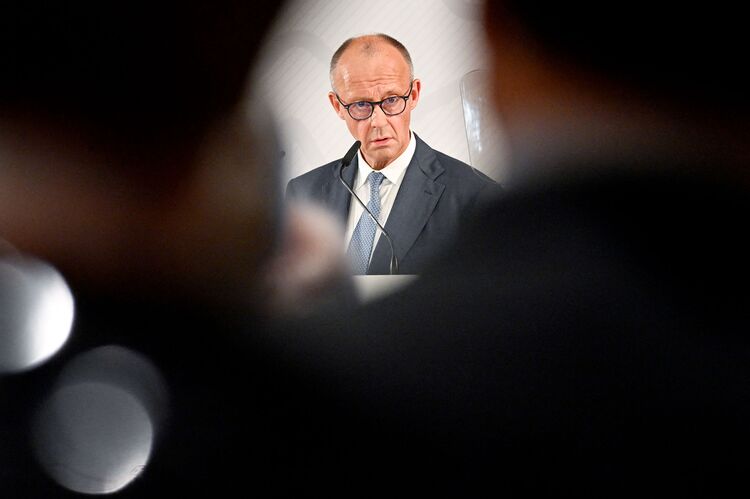
Merz, damaged after brutal state election defeats last month, has seen his authority erode in his 17 months in office, with polling showing his backing at a record low for a post-World War II German leader. Negotiations last week on a measure to shore up funding for old-age care were so fraught that German media reported that President Frank-Walter Steinmeier interceded to ensure that the coalition would stay intact.
Negotiators are under mounting pressure in what officials describe as one of the most difficult phases so far as Merz’s alliance seeks to push through a comprehensive reform program through parliament this year. The coalition has struggled to combine tax relief with spending restraint, even as households and businesses grapple with higher energy costs, contributions and levies.
Reopening the Budget
The stakes for the budget go beyond tax policy. Revenue from several measures — along with savings from reductions in housing and parental allowances and the cost of income-tax relief — is already built into the 2027 financial plan, the people said, speaking on condition of anonymity as deliberations take place behind closed doors.
That means that any changes to the levies or savings would involve reopening budget talks to find additional revenue or deeper cuts, a scenario that could threaten the government’s stability as it seeks final parliamentary approval for the budget in November.
That combination is particularly sensitive for Merz, who ruled out tax increases ahead of last year’s election, saying they would damage the economy. Soon after the vote, he backed constitutional changes that established a €500 billion debt-financed infrastructure fund and largely exempted defense-related spending above 1% of gross domestic product from Germany’s debt restrictions.
Tax increases on this scale could develop into a breaking point and ultimately threaten Merz’s hold on office, the people said.
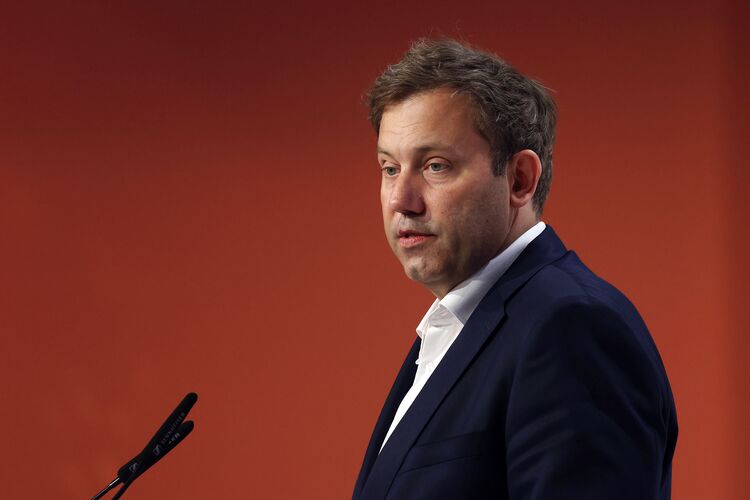
The proposed sugar levy became a flashpoint last week, when the Federal Chancellery halted talks among ministries over a draft advanced by Finance Minister Lars Klingbeil, a co-leader of the Social Democrats. The details of the proposal, which was expected to advance this week, deviated from a previously agreed framework, according to government officials.
The levy itself, which has faced pushback from lawmakers and state premiers in Merz’s party, hasn’t been abandoned, the officials said on condition of anonymity in line with government protocol. The government remains committed to taxing sugary drinks, but is renegotiating the scope, rates and timing, they said.
One government official said there was currently no clear path to passing all the measures in the form that was originally agreed. Another said the coalition could no longer assume that the budget would be approved on schedule in November.
Tax Increase Estimates Under Discussion
| Measure | Additional annual revenue | Timing and status |
|---|---|---|
| Sugary drinks | ~ €1.3 billion | Draft targeted a start in 2027. Some €795 million expected in the first budget year, according to people familiar with the talks. The Chancellery and other ministries have demanded revisions. |
| Plastic packaging | ~ €1.4 billion | Tax base, rate and implementation remain under negotiation. |
| Tobacco | ~ €756 million | Government estimate for 2027, the first of four annual increases is due to take effect Jan. 1, subject to parliamentary approval. |
| Alcohol | ~ €500 million | The government bill would raise duties by 20%. |
| Crypto assets | ~ €350 million | Still being drafted, the plan would tax private crypto gains regardless of the current one-year holding period. |
| Total | ~ €4.3 billion | Working estimate based on the package under discussion, rather than a consolidated government forecast. |