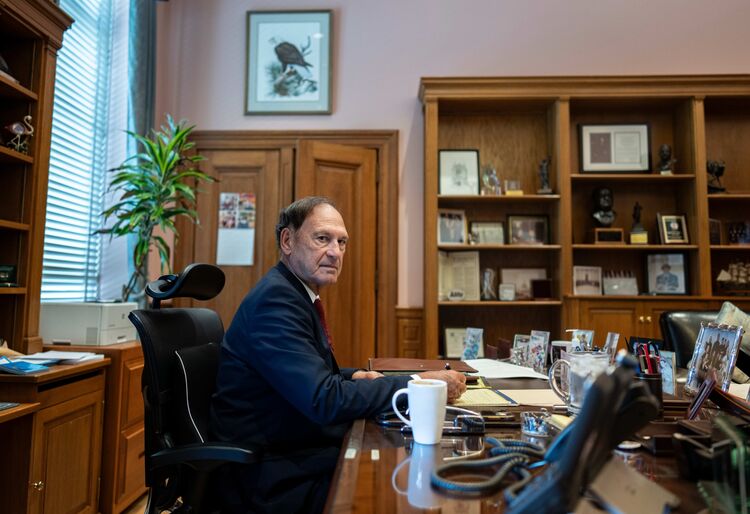
Justice Samuel Alito said he plans to remain on the Supreme Court even if Democrats capture the Senate in next month’s midterms, dismissing speculation that he might quickly retire to ensure Donald Trump can get a successor confirmed.
“I intend to stick around through this term,” Alito, 76, said in an interview last week as the court prepared to open a term that will run through next June. “I made that decision many months ago.”
The comments come as polls show the Senate up for grabs in the Nov. 3 election. The prospect of Democratic control has put renewed focus on the two oldest justices, Alito and fellow conservative Clarence Thomas, 78, though neither has shown any signs of wanting to step down.
Although a post-election retirement in the middle of a Supreme Court term would be highly unusual — and draw fresh accusations of partisanship — it would give Republicans until Jan. 3 to approve a successor. Senate Majority Leader John Thune told Punchbowl News in July that a lame-duck confirmation “ can be done .”
A Democratic Senate would be able to stop Trump from filling any vacancy. Republicans engineered the current six-justice conservative majority by blocking a vote on a Democratic nominee in 2016 and rushing to confirm Justice Amy Coney Barrett just before Trump lost the 2020 election.
Alito acknowledged the subject of retirement had crossed his mind, though he said, “I don’t feel mentally or physically decrepit.”
He was the briefly the subject of an erroneous June 30 National Public Radio report that he was retiring. NPR retracted the story, saying a reporter misheard information as the court was delivering the final opinions of its nine-month term.
Alito Book
Alito spoke during a wide-ranging conversation in his chambers about his new book, So Ordered: An Originalist’s View of the Constitution, the Court and Our Country . The volume is largely a collection of past speeches, designed to distill the judicial philosophy of a man best known for writing the landmark 2022 opinion overturning the constitutional right to abortion.
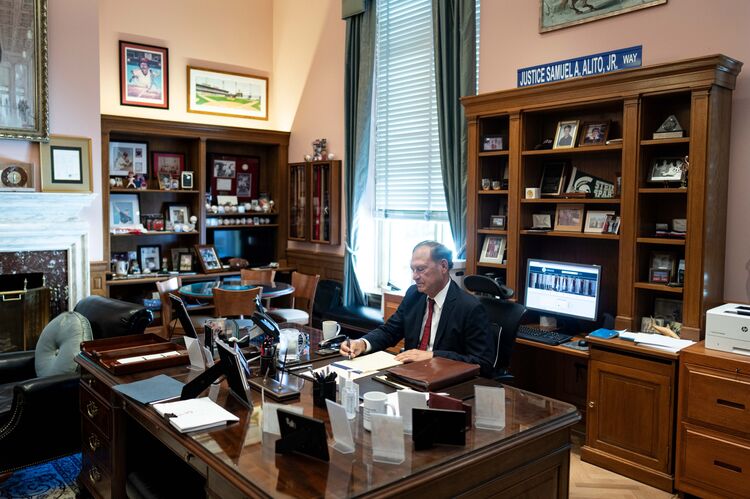
In an office festooned with Philadelphia Phillies memorabilia, a statuette of the Catholic martyr Thomas More and a bust of Winston Churchill, Alito defended his method of interpreting the Constitution, rejected accusations that the conservative-controlled court is driven by results and said some of his critics were “ill motivated.”
Now in his 21st year on the court, Alito has established himself as a principal architect of the legal revolution being ushered in by the Supreme Court. If Thomas is the conservative supermajority’s visionary, Alito is its realist, a justice with the opinion-writing skills to collect the needed five votes so that legal aspirations can become binding law.
In addition to the Dobbs v. Jackson Women’s Health Organization abortion ruling , Alito has written major opinions bolstering religious freedoms, cutting back the Voting Rights Act, extending gun protections and curtailing the power of labor unions.
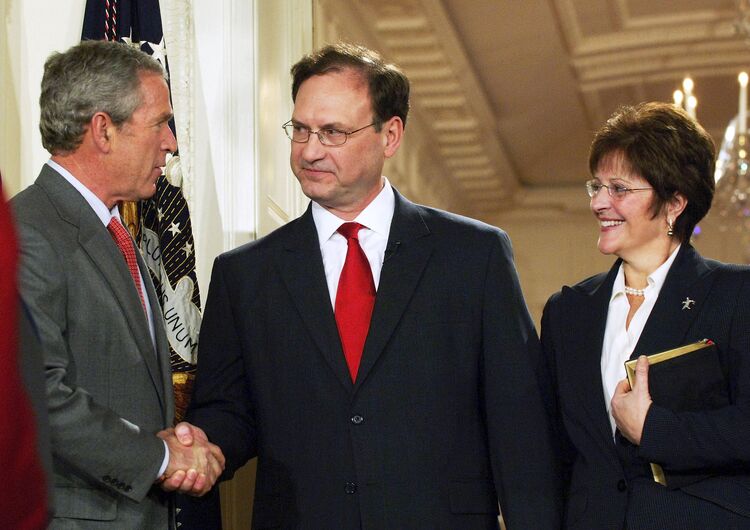
Alito, a 2006 appointee of Republican President George W. Bush, is unapologetic about liking the outcomes of most of his rulings. He writes in the book that originalism — the approach of focusing on the meaning of the Constitution’s words when they were adopted — “generally produces good results.”
But he insists that outcomes aren’t the driving force when he interprets the Constitution or a federal statute. Alito said in the interview that he considers the bottom line of a case only as a check to make sure his legal analysis of a provision doesn’t produce an “absurd” result out of step with what its authors intended.
“We certainly should not decide a decision simply because we want to reach a particular result,” Alito said. “A judge should start with the law, with the Constitution if that’s what’s involved. What does it say? How was it understood when it was originally adopted? And that’s what dictates the decision.”
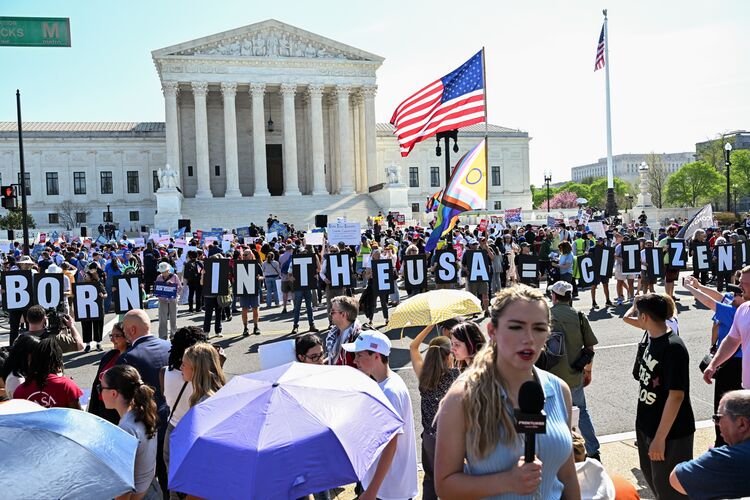
Liberals say Alito has a cramped view of the Constitution and the rights it protects in the modern era. He stands alongside Thomas as the court’s most steadfast supporters of Trump’s legal arguments. Alito dissented in each of the three major rulings the president lost in the court’s last term – cases over his global tariffs , his restrictions on birthright citizenship , his bid to fire Fed Governor Lisa Cook.
“On a Supreme Court with a supermajority of incredibly conservative jurists, Justice Alito still stands out as the most consistently conservative,” said Brianne Gorod, chief counsel of the progressive Constitutional Accountability Center. “Whatever the subject and whoever the parties, Justice Alito has proven himself over two decades on the court to be a reliable vote for the conservative interest in the case.”
The critiques at times have caused Alito to lash out. The book reprises a 2021 speech in which he blasted use of the term “shadow docket” to describe the emergency requests that have become a major part of the court’s docket. He again decries a brief filed by Democratic senators in a 2019 gun case, saying the lawmakers were trying to “intimidate” the court by raising the prospect that it might need to be “restructured.”
Alito acknowledged during the interview that he sometimes airs his emotions publicly. “I feel strongly about the issues, and maybe I don’t hide that as much as a lot of other people,” he said.
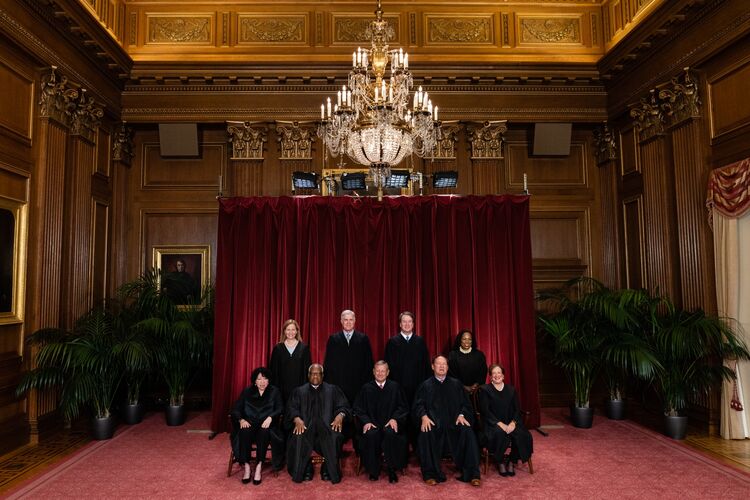
Alito is the sixth current justice to have written a book while on the Supreme Court, with Justice Brett Kavanaugh working on becoming the seventh. Only Chief Justice John Roberts and Justice Elena Kagan haven’t published a book.
The book comes amid calls from Democrats , including potential presidential candidates , to overhaul the court. Critics of the court have proposed adding seats, which Congress could do through legislation, or imposing 18-year term limits, which many scholars say would require a constitutional amendment.
Alito declined to comment directly on those ideas but hinted at his opposition. “The people should think about what would be the impact on the standing of the court as an independent institution if any proposed reforms were adopted in the near future,” he said.
As a new Supreme Court term opens — featuring cases on so-called assault weapons and Trump’s deportation policies – Alito said he was still enjoying the job, at least most of the time.
“I enjoy it when I think things have come out the way I think they should, in the cases that I care most about,” he said. “And you know when they come out the other way, I’m not happy.”