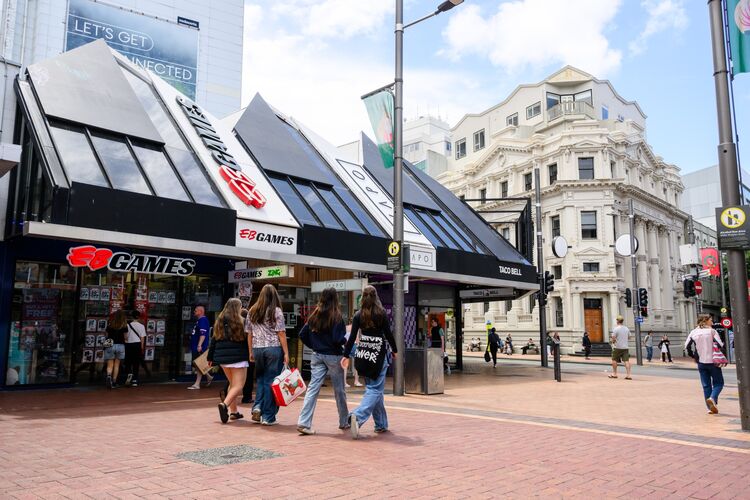
Shares of New Zealand firm Hallenstein Glasson Holdings are climbing, thanks in part to mall-loving teens who are helping the fast-fashion company defy consumer gloom at home and in Australia.
While the retail sector in both countries is struggling, Hallenstein Glasson’s youth-centric, budget-friendly brands are expanding their physical footprint and upgrading stores as sales boom. Its Wellington-listed stock has jumped 57% over the past year, topping New Zealand’s benchmark.
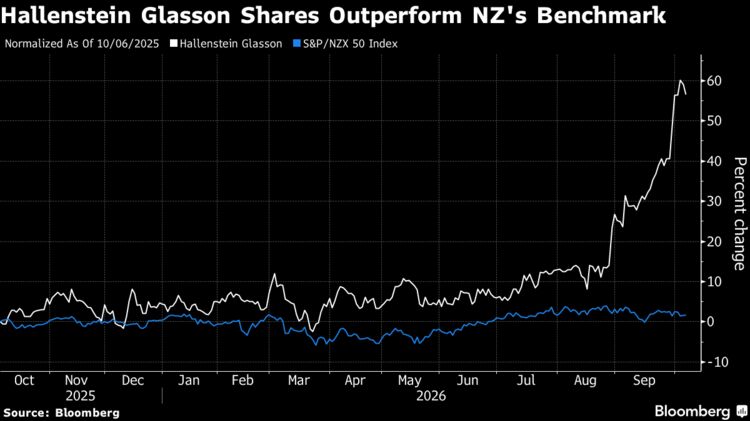
Hallenstein Glasson is a rare bright spot in a battered Australasian retail market. The relatively small NZ$881 million ($493 million) company is showing that cheap, trend-driven fashion and a bet on brick-and-mortar stores can still draw young shoppers, even as weaker consumer confidence weighs on discretionary spending and much larger foreign rivals compete for their dollars.
The purveyor of everything from crop tops to formal suits is also benefiting from the so-called “mallmaxxing” trend . Gen Z shoppers are increasingly treating malls as places to socialize in real life and detox from the digital world, helping revive American malls while a growing middle class fuels a shopping-center expansion across Asia.
Strong earnings momentum should continue to drive the stock, while the company also has significant room to expand in Australia, said Paul Laxton Koraua, an analyst at Forsyth Barr in Auckland.
“The opportunity to roll out stores is large,” he said. “They’ve done a lot of work to get the model right.”
Hallenstein Glasson didn’t respond to a request for comment Tuesday on its stock price.
The company sells clothing through its womenswear brand Glassons and men’s counterpart Hallensteins . It operates about 130 stores across Australia and New Zealand and ships online to markets including the US and Singapore. Glassons Australia accounts for about 58% of group revenue, according to Bloomberg calculations.
Sales are “supported by a strategy of targeting high-traffic, competitive locations and a strong proposition among younger consumers,” UBS Group AG analysts led by Marcus Curley wrote in a note.
Hallenstein Glasson’s sales jumped 20% in the year ended Aug. 1, driven by a 29% surge at Glassons Australia. The company refurbished several stores, relocated one to a larger site and opened a new shop in Sydney’s Inner West during the period. An August opening in Miranda, in the city’s south, turned chaotic as shoppers rushed to grab freebies and vouchers.
Hallenstein Glasson said last month it was looking for further opportunities to expand its store network in Australia as appropriate sites become available. Still, the company cautioned that the economic and geopolitical environment remains challenging. Changes in consumer spending, foreign-exchange rates and operating costs may affect trading and profitability this financial year, it said.
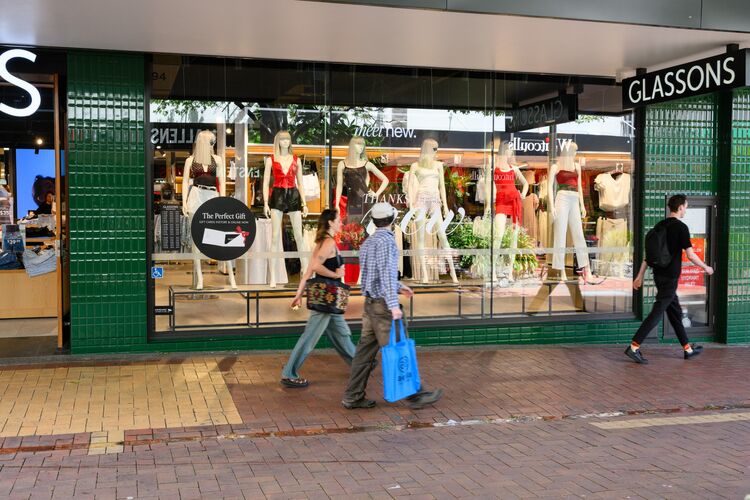
Hallenstein Glasson is expanding its store presence against a subdued consumer backdrop in Australia and New Zealand. Australians remain under pressure from elevated living costs, while New Zealand is also experiencing a slowdown in household spending as consumers contend with higher prices.
Read More: Australia’s Cost Squeeze Is Turning Shoppers Into Value Hunters
The company was formed in 1985 through a merger of menswear retailer Hallenstein Brothers and womenswear company Glassons. The former was created in 1873 in Dunedin, New Zealand, by German-born Bendix Hallenstein and his brothers, who also established the country’s first local clothing manufacturing plant.
Glassons was founded in 1918 in Christchurch by Charles Glasson. Former chief executive officer Tim Glasson is Hallenstein Glasson’s largest individual shareholder with a stake of about 18%.
Last month, the Glasson family bought a 49% stake in Auckland shopping center Westfield Albany from Singapore’s sovereign wealth fund GIC Pte. for NZ$308 million, according to the New Zealand Herald. The sale marked New Zealand’s largest single asset retail transaction on record, the paper said, citing the agency that brokered the deal.