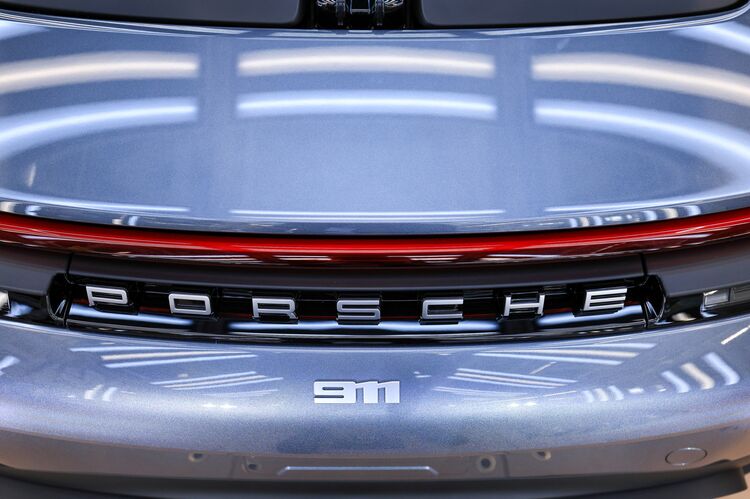
Porsche AG plans to increase prices of its top-end sportscars by an average of 20%, including the introduction of a new model that will sit above the longtime flagship 911 in the lineup, as it seeks to revive flagging profits.
The German manufacturer outlined a fresh strategy at an investor presentation Wednesday that focuses on selling fewer, higher-end cars with special features to drive returns. The push for more exclusivity follows costly missteps on electrification and a plunge in sales in China that last month contributed to parent Volkswagen AG slashing its outlook.
Chief Executive Officer Michael Leiters cautioned the turnaround would take time and for now is working on reducing expenses. Medium-term, the company said it’ll see prices of its most exclusive vehicles rise as Porsche leans into offering buyers bespoke materials and performance features.
The average price of Porsche’s top-end models is expected to climb to more than €330,000 ($370,134) by the end of the decade from about €270,000 this year, according to the company’s presentation.
“The top priority is to further strengthen our unique sports-car brand across the entire lineup, with new, desirable models in particularly high-margin segments,” Leiters said during a press conference in Stuttgart.
Porsche was little changed at 1:49 p.m. in Frankfurt, paring earlier gains of as much as 5.1%. The shares are down 6.7% since the start of the year.
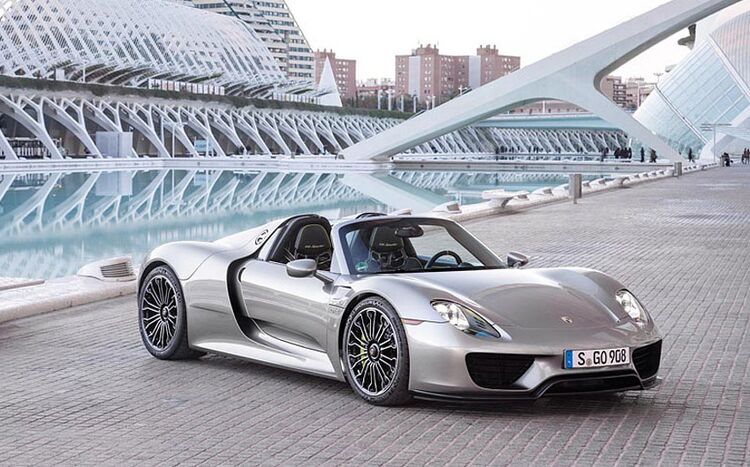
The company also detailed plans for a vehicle range above the 911 that would bring the manufacturer back into the supercar segment for the first time since the limited-production 918 Spyder debuted in 2013. Targeting a mid-engine architecture, the layout can improve weight distribution and handling. Such an expansion would bring Porsche closer to Ferrari NV’s lineup of sports cars and grand tourers.
Porsche also plans to draw more revenue from Manthey, the Nürburgring-based motorsport specialist, by raising its stake to 67% from 51%. Manthey develops road-legal track upgrades, including suspension, brakes, lightweight wheels and aerodynamic components.
A bigger suite of joint offerings will add another avenue to boost sales through special products rather than greater volume.
The overhaul is supposed to prepare Porsche for permanent US tariffs and a China business that’s unlikely to return to its former size. Changes to the model lineup will follow deep cost cuts, including already agreed plans to reduce the workforce by more than a fifth and management positions by 40%.
“At the moment, the main focus is on reducing costs and making the company more financially robust,” Leiters said. Porsche must first “put our own house in order” before moving further upmarket, he said.
Read More: Porsche’s New CEO Is a Luxury Leader Big on Hybrids
Porsche is aiming to restore the kind of earnings power that once made it one of Europe’s most lucrative carmakers. The company is targeting an operating margin of 10% to 15% over the medium term, with a longer-term goal of 15%, after restructuring costs, tariffs and weaker demand pushed the profitability gauge down to just 1.1% last year.
The downturn has triggered multibillion-euro writedowns at VW and cut dividends to Porsche SE, the investment vehicle controlled by the Porsche-Piëch billionaire family. Restoring profitability at both Audi and Porsche is pivotal to Europe’s biggest automaker to help fund future investments to keep up with intensifying competition and new technologies.
Cash generation is seen recovering sharply, with Porsche aiming for an automotive net cash-flow margin of as much as 12%. The company has seen a degree of recovery with operation margins at 7.8% during the first half of this year.
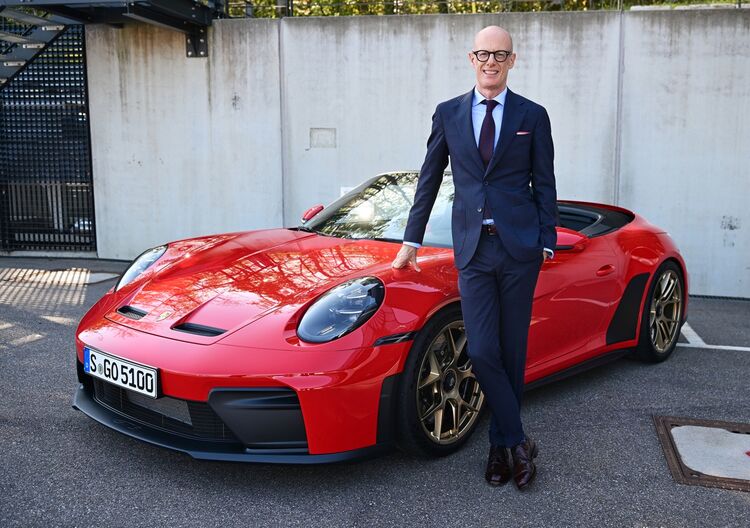
Porsche, which delivered just under 280,000 vehicles last year, is also closing and selling non-core businesses, such as its stake in a venture that owns super-car maker Bugatti. Across the company, agreements reached with employee representatives earlier this year are set to reduce the workforce by 9,000 positions.
The company also aims to lower its annual break-even volume to about 200,000 vehicles by cutting costs, including a roughly 20% reduction in development spending, according to presentations released ahead of its capital markets day.
Read More: Billionaire Porsche Clan’s Cash Needs Collide With VW’s Woes
Leiters declined to disclose the current break-even point, but noted the company is set up for higher output with peak production at roughly 330,000 vehicles in 2023.
VW too is shrinking its industrial footprint with a plan to cut 100,000 positions primarily in Germany, while Mercedes-Benz Group AG and BMW AG are recalibrating their profit ambitions.