By Barbara McQuade | Updated on Oct 06, 2026 at 12:00 PM
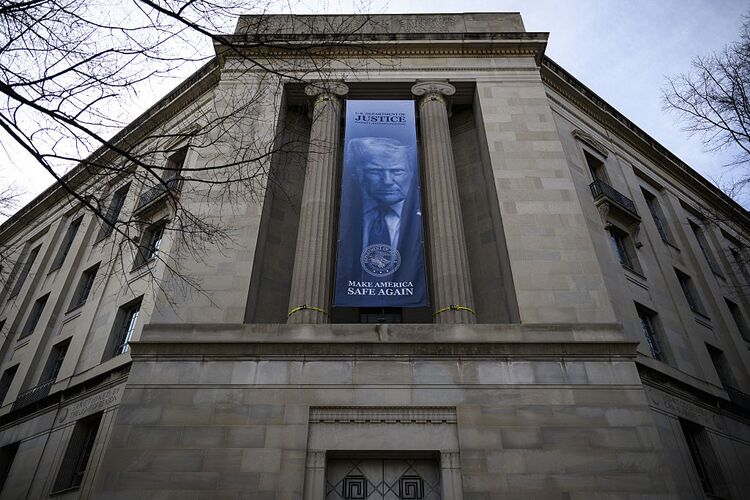
The Trump administration’s latest effort to evade the Senate confirmation process and upset the constitutional balance of power is focused on the fifth floor of a federal office building in downtown Seattle. That’s the home of the US attorney for the Western District of Washington, who was fired last summer, restored to office last week and removed again over the weekend.
Since retaking office in 2025, part of President Donald Trump’s agenda has been to expand executive power, including an unfettered ability to hire and fire federal officials. The Supreme Court has agreed with Trump in some instances, but when it comes to US attorneys, the Constitution and Congress provide an essential check on the installation of unqualified or overly partisan appointees. The high court needs to step in and reaffirm this bedrock principle.
Some background: Then-Attorney General Pam Bondi appointed Charles Neil Floyd to serve as interim US attorney in Seattle in September 2025. But an interim appointee can serve for only 120 days unless he is confirmed by the Senate, which Floyd was not. When that period expires, a federal statute empowers the district court’s judges to fill the vacancy. In July they unanimously selected Roger Rogoff, a prosecutor in the office.
Within an hour, however, the Trump administration fired him and reinstalled Floyd. Rogoff sued, and last week, a federal district court ruled his firing illegal and ordered the Justice Department to restore him to his position. That ruling, in turn, was stayed on Sunday as the Ninth Circuit Court of Appeals agreed to consider the administration’s appeal.
The administration’s lawyers may want to give Article II of the Constitution a closer read. One of its best-known provisions is the “Advice and Consent” clause, stating that judges, ambassadors and some other executive branch officials may serve only with the approval of the Senate. But US attorneys are considered “inferior officers,” and therefore subject to a provision of Article II which provides that “Congress may by law vest the appointment of such inferior officers, as they think proper, in the president alone, in the courts of law, or in the heads of departments.”
When it comes to US attorneys, Congress has done just that. Legislation passed six decades ago and amended several times since allows the courts to appoint US attorneys in certain situations — including the one now presented in Seattle: If 120 days pass and no permanent US attorney has been confirmed, the statute empowers the district court to fill the vacancy.
Without such a provision, an attorney general could appoint a US attorney who could serve indefinitely without ever obtaining Senate confirmation. Or the attorney general could appoint a series of US attorneys at 120-day intervals. Or the attorney general could leave the position vacant, which would be a disservice to the people of that district.
As Judge Stanley A. Bastian noted in last week’s decision restoring Rogoff, the statute says the court appointee serves “until the vacancy is filled,” which requires Senate confirmation. The logical conclusion is that the president is not permitted to fire court-appointed US attorneys. Bastian’s decision, while stayed, is in line with that of three federal courts of appeals which have ruled against the Trump administration for seeking to circumvent to the appointment process of US attorneys.
That difference could be crucial in light of the Supreme Court’s opinion last June in Trump v. Slaughter . That decision held that the president could fire a commissioner of the Federal Trade Commission before the expiration of her seven-year term, despite legislation permitting removal only for “inefficiency, neglect of duty, or malfeasance in office.” There has not yet been a case applying this decision to other executive-branch positions. The language of Article II gives the justices a path to draw a distinction between policymakers such as FTC commissioners and inferior officers such as US attorneys.
A more expansive view of the Slaughter decision could have disastrous consequences, not only for US attorneys, but for the entire federal workforce. Since 1883, when the Pendleton Act created the professional civil service, federal workers have been protected from termination on political grounds, enabling them to develop expertise that benefits the public.
The confirmation process serves as an important check on the president’s appointment power. When I was nominated to serve as US attorney during the presidency of Barack Obama, I received rigorous scrutiny from the Senate — and that was after being thoroughly vetted by the administration. The process ensured that each nominee for US attorney possessed the requisite qualifications to perform their roles as the chief law enforcement officials in each judicial district, entrusted with the power to compel evidence and place a person’s liberty in jeopardy.
When this case reaches the Supreme Court, the justices will have an opportunity to restore the balance of power they have thrown into question in Slaughter. A decision to distinguish the appointment of inferior officers from policymakers will not only safeguard the civil-service protections of the federal workforce. It will also ensure that only candidates vetted by courts or the Senate can wield the awesome power of a United States attorney.
Elsewhere in Bloomberg Opinion:
Want more? Subscribe to our newsletter.