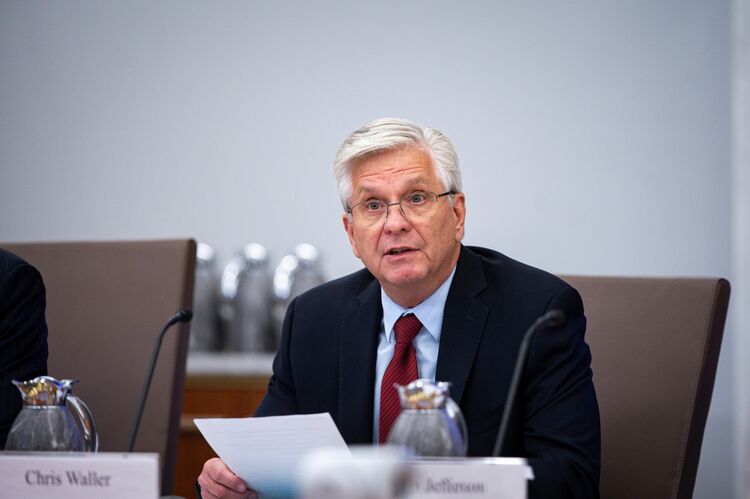
Federal Reserve Governor Christopher Waller said further interest-rate hikes will likely be needed to slow inflation, though officials have some flexibility on timing and don’t need to tighten at consecutive policy meetings.
“If the economic data continue to come in as expected, I anticipate additional hikes to support a timelier return of inflation to our 2% goal,” Waller said Thursday in a speech at an event in Istanbul organized by Turkey’s central bank. “But there is some flexibility about when those hikes will occur. The hikes do not need to come at consecutive meetings, but they should be in place in an acceptable period of time.”
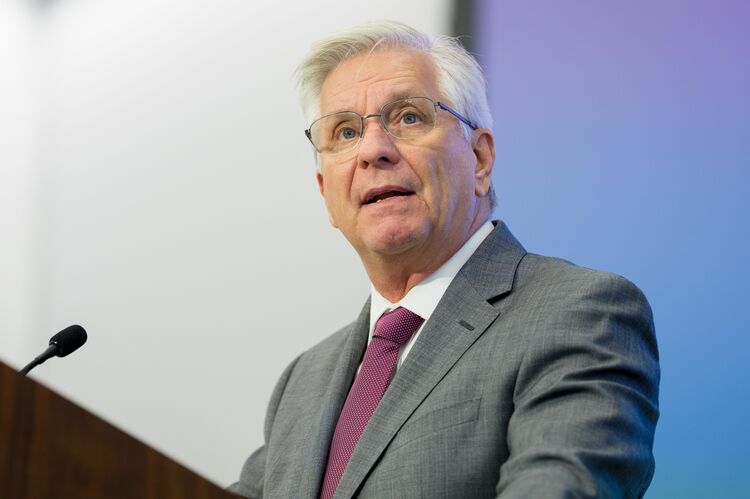
The signal from Waller broadly echoes recent remarks from other top Fed officials, who have suggested the US central bank has time to assess the economy before considering another rate increase. The Federal Open Market Committee voted unanimously last month to raise the target range for its benchmark for the first time since July 2023.
Investors have since pared back expectations that the Fed will again raise rates when they meet later this month and are instead betting on a next hike in December, according to futures.
Read More: Fed Minutes Show Hawkish Unity Behind September Rate Hike
Waller said the decision to raise rates in September didn’t rest on a single data point but instead reflected the culmination of signs that inflation remains too high.
“With evidence that economic activity is strengthening in the second half of this year, I am not greatly concerned that tighter monetary policy threatens a damaging slowdown in the economy,” Waller said.
“But I am concerned that the recent acceleration in inflation — after what soon will be five and half years of it above the FOMC’s target — will lead consumers, investors, and price-setting businesses to revise up their expectations for future inflation,” he said.
Dot Plot
In his speech, Waller outlined the role played by the so-called Summary of Economic Projections, or dot plot, which officials use to signal their outlook for monetary policy. The projections published after the September meeting showed the median official thought one additional hike this year would likely be appropriate.
“It gets a little complicated reading the dots for the full year of 2027, since they may reflect hikes early in the year and then cuts later in the year, but eight participants expect that rates will be 50 basis points higher at the end of 2027 than they are today,” Waller said.
Federal Reserve Chairman Kevin Warsh has vowed to stop sending signals to investors on where interest rates are heading. But Waller defended the benefits of occasionally providing hints.
“Throwing out forward guidance is like throwing the baby out with the bath water,” he said during a question and answer session after the speech. To make his point, Waller cited a recent example where two of his colleagues “went out and said there’s no urgency to raise rates” at the policy meeting later this month, tamping down rate-hike expectations.
“I can’t think of anything that’s more forward guidance than that,” he said. “There’s a role for it when you need it.”