By Misha Savic | Updated on Oct 08, 2026 at 11:00 AM
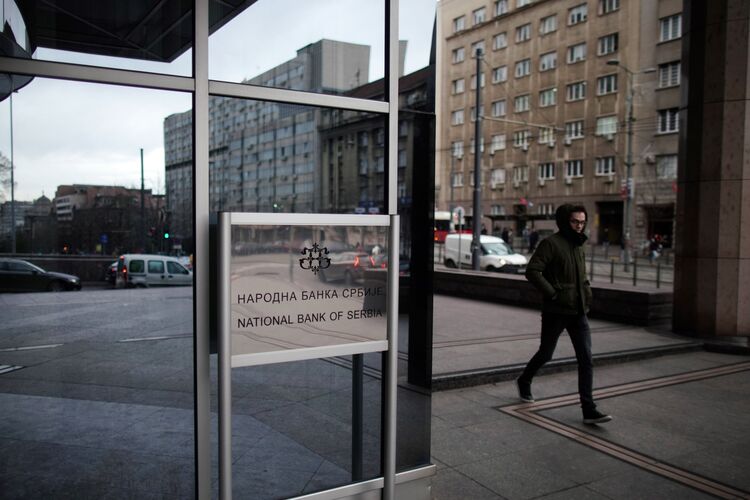
Serbia kept borrowing costs unchanged for a record 25th month as the Balkan nation heads into a pivotal snap election that pits the long-time ruling camp of Aleksandar Vucic against a nascent student-led political group.
The National Bank of Serbia left its one-week benchmark rate at 5.75% on Thursday, as predicted by all analysts in a Bloomberg survey. Most economists see borrowing costs staying steady for the rest of the year. Only two out of 12 expect monetary tightening in December.
The policymakers’ monthly meeting was the last before Serbs go to the polls on Oct. 25. Vucic, the country’s dominant leader, stepped down last month from the presidency as he plans to retain power and switch to the position of prime minister if his party wins.
Read more: Serbia’s President Resigns in Bid to Retain Power as Premier
The outgoing administration has loosened fiscal limits ahead of the elections, offering cash handouts to all adult citizens, bigger public wages, pensions and welfare. This is seen widening this year’s budget gap to 3.5% of gross domestic product from 3% predicted earlier.
However, his party faces the biggest challenge since forming its first government in 2012 as a grassroots movement started by university students in late 2024 evolved into a political force that, according to some polls, may win a majority of ballots.
Read more: Serbia Student List Reveals Lineup to Challenge Vucic
Still, inflation has been within Serbia’s 1.5%-4.5% target range for more than a year, despite a surge in energy prices, which are largely regulated.
The central bank sees annual inflation edging up from 2.2% in August to around 4% this month, then stabilizing around that level in 2027. Core inflation, which excludes the most volatile items such as food and energy, quickened to 4.7% in August from 4.5% in July.