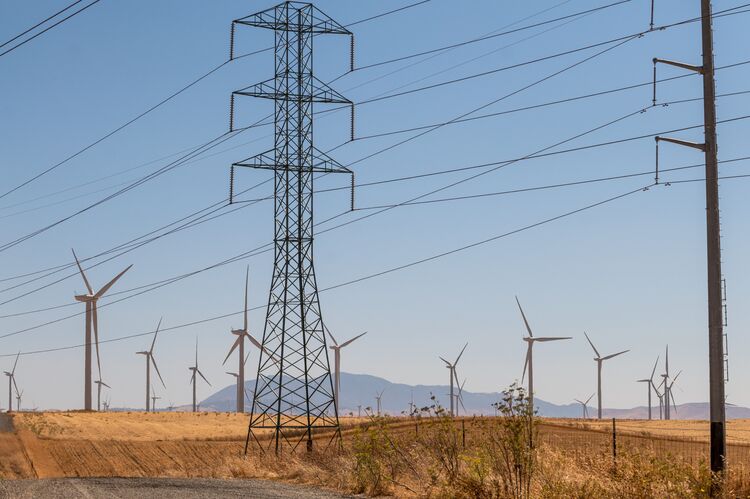
When Senate negotiators unveiled a sweeping permitting reform deal last week, clean-energy advocates welcomed provisions intended to speed construction of renewable energy and long-distance power lines.
Now, however, many environmental groups are pushing back over what could be sacrificed to get those projects built — and questioning whether the bipartisan deal would deliver enough clean energy in return.
Read More: What the Senate Permitting Deal Means for US Climate Emissions
The debate is still in early stages. A Senate vote isn’t expected until after the midterm elections, when the political landscape could look very different, and the 417-page bill could change substantially along the way. But the initial reactions are beginning to reveal some of the biggest fault lines.
Environmental groups have raised concerns that fall broadly into three areas: changes to the Endangered Species Act, rollbacks to Clean Water Act protections and, more fundamentally, whether longstanding safeguards for nature would be lost without securing enough renewable energy in return.
The Sierra Club cautioned that the deal could also end up boosting fossil-fuel projects more than renewables. “There is no task more urgent than building clean energy and transmission,” the nonprofit’s Chief Program Officer Holly Bender said in a statement. But the legislation “cannot guarantee that more wind and solar projects will actually get built” while the Trump administration continues to block projects, she warned, and other provisions would provide immediate benefits to oil and gas companies.
On Tuesday, more than 200 organizations, including the Center for Biological Diversity and Friends of the Earth, sent a letter to Senate Democratic leaders opposing provisions they say would weaken the Endangered Species Act, one of the country’s foundational conservation laws. Among other changes, the draft bill would alter the “best available science” standard agencies use when deciding whether to list species as endangered and whether federal actions could affect them once listed. It would also allow states to take over some consultations currently handled by federal wildlife agencies.
“There is no reason to throw endangered species under the bus to secure what falls short of even a half-measure approach” to expanding renewable energy, Hallie Templeton, legal director for Friends of the Earth US, said in a statement.
A second, overlapping coalition is targeting proposed changes to the Clean Water Act. In an Oct. 2 letter to select Democratic senators, 122 organizations objected to measures that would restrict how states and tribes use water-quality reviews to block or impose conditions on federally permitted projects. The bill would narrow the scope of those reviews and require a higher standard of evidence.
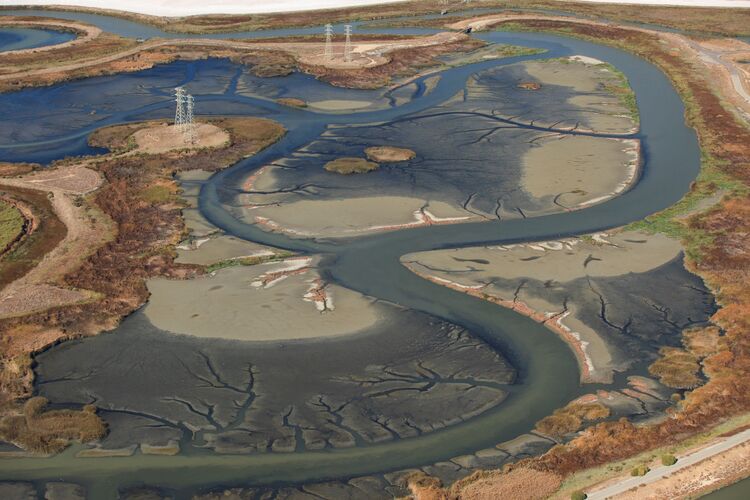
Other parts of the deal would extend some water-pollution permits from five to 10 years, limit the Environmental Protection Agency's ability to veto certain projects affecting wetlands and shorten the time available to challenge some Clean Water Act decisions.
Both of the letters reflect a third and broader concern about the bargain at the heart of the package: that environmental protections would be weakened immediately, but without a guarantee that the promised clean-energy buildout would follow.
“Unconditional surrender to the fossil fuel industry shouldn’t be the price for common-sense transmission reform,” Lukas Shankar-Ross, a deputy director at Friends of the Earth US, said in a statement.
That concern is shared by groups that don’t outright oppose the deal. The Natural Resources Defense Council called the transmission provisions “desperately needed” but said it is still assessing whether those benefits outweigh changes that could accelerate oil and gas development. Evergreen Action said the renewable-energy and transmission provisions appear stronger than those in previous permitting proposals, while warning that changes to environmental laws require further scrutiny. Both groups declined to provide further comment.
The reaction from some climate-focused think tanks and experts has been more positive. A recent analysis , released last week by the nonprofit Center for Climate and Energy Solutions and consulting company Greenline Insights, found that the deal’s transmission-related reforms would reduce greenhouse gas emissions compared to a non-reform scenario. Climate scientist Zeke Hausfather of research group Berkeley Earth acknowledged that the Clean Water Act changes could spur development of natural gas pipelines, particularly in the Northeast, but said he nevertheless expects the bill to lower US emissions on net.
Divisions are likely to evolve along with the legislation text after the midterms. But the debate is already defining the central tradeoff for lawmakers: which existing environmental protections, if any, should be loosened in exchange for making energy infrastructure easier to build — and how certain the payoff needs to be before that trade is worthwhile.