By Alisa Odenheimer, Dan Williams and Alex Wickham | Updated on Oct 08, 2026 at 09:05 AM
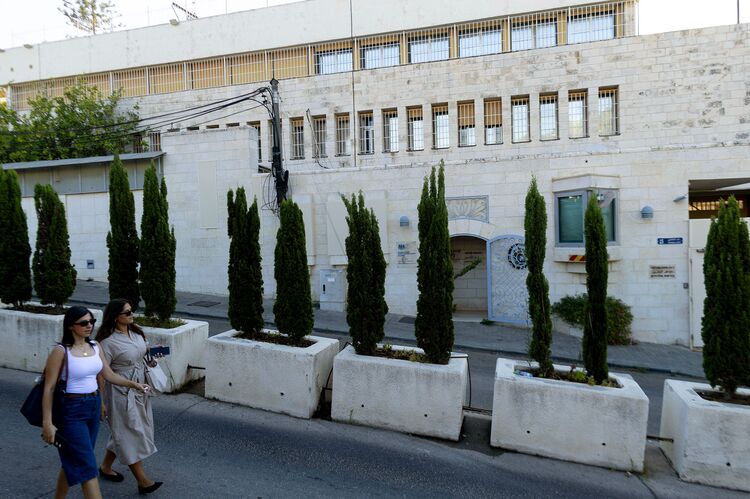
The UK’s consulate in Jerusalem is being downgraded in status, following a dispute over British trade sanctions against Israeli settlements in the occupied West Bank.
The consulate-general building in the east will be known as a diplomatic mission following discussions with Israel, British Foreign Secretary Ed Miliband said in a statement on Thursday. Avoiding the consulate’s full closure allows the two allies to continue talks and minimize the risk of a permanent rupture amid intense domestic debates over the relationship in both countries.
Israel used different wording, saying the building would house a British government-operated task force. “Their scope of activity will be very limited,” Israeli Foreign Minister Gideon Sa’ar said.
While Sa’ar said the British consul-general and 19 other diplomats would depart Israel, Miliband said the UK had temporarily withdrawn a number of staff and families to ensure their safety and security.
| Read more: |
|---|
Israel said on Sept. 8 that it would shutter the consulate following the UK’s decision to ban the import of goods from West Bank settlements. Bilateral relations had already been strained by British recognition last year of a Palestinian state in the West Bank and war-wracked Gaza Strip.
The hard-right government of Israeli Prime Minister Benjamin Netanyahu, who is up for reelection on Oct. 27, has ruled out Palestinian statehood and accused London of providing encouragement for militants like Hamas.
The UK has rejected that characterization. Miliband, who is Jewish, said last month, when the sanctions were imposed, that “there is ethnic cleansing of Palestinians in the West Bank.” Most world powers regard the West Bank settlements as illegal.
The British sanctions were one of the first major foreign policy moves by Prime Minister Andy Burnham, who is trying to rebuild unity in his Labour Party that fractured after his predecessor, Keir Starmer’s, early support for the Israeli military campaign in Gaza. The sanctions have been widely praised by Labour members of Parliament and the party has seen some supporters returning from other parties in recent weeks.
But the dispute has further strained a relationship that both sides rely on to minimize threats, including from Iran and its proxies. Netanyahu said on Oct. 1 that Israel had provided the UK with intelligence ahead of a suspected terror plot near a British airbase that was foiled. Israeli commentators have speculated that such cooperation could be curtailed by Israel due to the diplomatic feud.
Miliband’s statement appeared to draw a line under the current dispute. “We will work in the coming months to build back up our presence, and we will not take reciprocal action while such discussions are underway and credible,” he said.
Read more: Netanyahu’s Oct. 7 Legacy Is Isolation: Ronald Brownstein
Sa’ar said Israel had wished for a different outcome, after threatening to close the consulate, but that “the actions of the Labour government have led us to this point.”
“We establish a clear principle: actions taken against Israel will be met with appropriate countermeasures,” he said.
Sa’ar described the UK’s actions as “hostile rhetoric, including false accusations against Israel, such as charges of ethnic cleansing.”