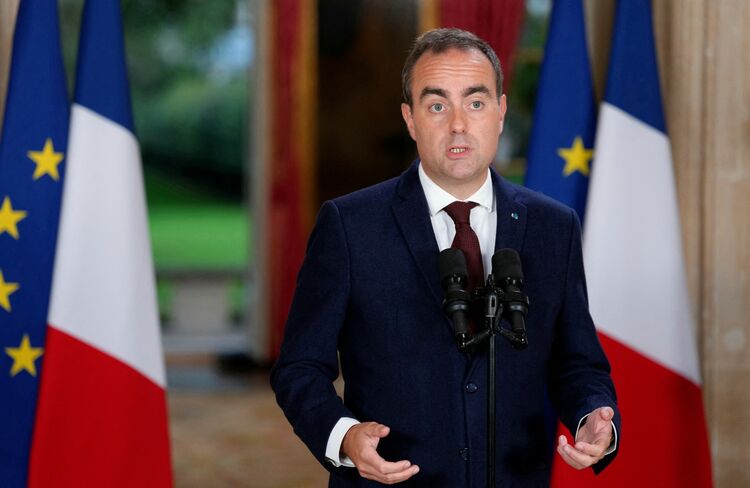
French students prolonged their protests after Prime Minister Sebastien Lecornu said his policy response would only come at the end of the month.
In a speech late Wednesday, the premier confronted concerns over energy prices, saying France would release diesel reserves as part of a recent agreement among the Group of Seven nations. He left unaddressed student complaints that have fueled about two weeks of demonstrations.
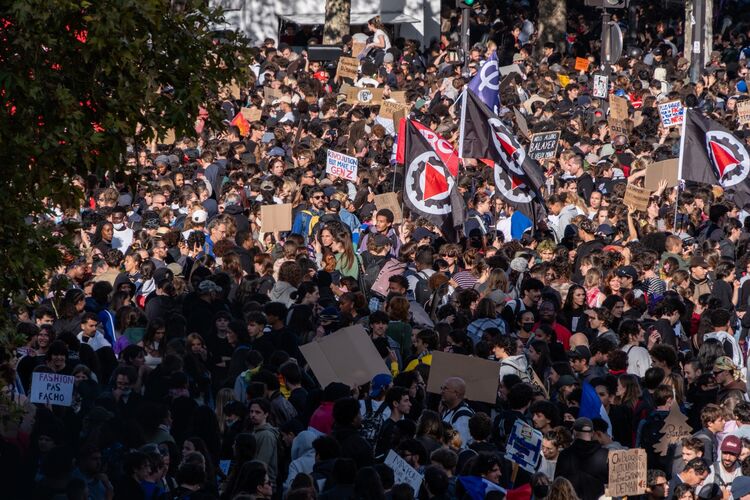
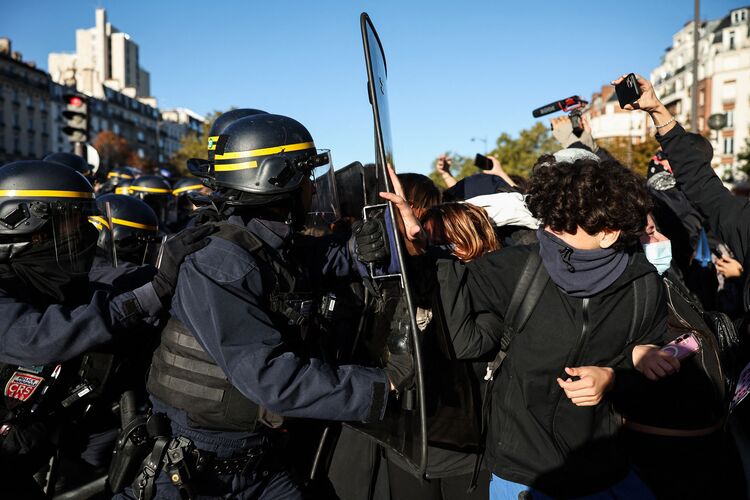
Classes were at least partially suspended at about one in 10 schools, according to a provisional count by the Education Ministry cited by Agence France-Presse. On Tuesday, the government counted more than 265,000 demonstrators nationwide. It has suspended the use of some weapons by police after a student lost a hand due to an explosive, further fueling students’ complaints about police violence.
Education Minister Edouard Geffray told reporters on Thursday in Reims that we would introduce an “emergency plan” in coming hours or weeks on how to dispatch more teachers. He added that demonstrators’ demands would be addressed within the framework of the budget debates in parliament, but while respecting the “general balance.”
The unrest is fueling investor concerns about France’s deficit targets, parliamentary gridlock over the budget and uncertainty surrounding the presidential election and the fiscal policies of the candidates. Far-right leader Marine Le Pen, whose party has never held the presidency, is leading in polls. French political uncertainty has roiled the bond market since President Emmanuel Macron’s failed gamble to call snap elections in 2024, which resulted in a hung parliament.
“I wish for concrete, swift, hence, funded measures,” Lecornu said, while sticking to the government’s plan to cut the budget deficit to 5% of gross domestic product in 2027, a target it missed last year.
An Ifop poll of 1,000 adults for LCI TV carried out Oct. 6-7 showed 48% supporting or sympathising with the movement. That compares with 71% support for the Yellow Vest protests eight years ago.
The government is grappling with a widening range of demands from farmers, fishermen, truckers and construction companies, as well as nurses and people who rely on cars for work and are being hit by high fuel prices.
Measures to address some of the students’ demands — including more funding for education and adapting classrooms to extreme weather — was estimated by one student union at about €10 billion ($11.2 billion).
A few French companies have begun trading at lower yields than sovereign bonds, or OATs, suggesting that corporate debt could increasingly be viewed as a safer haven as confidence in the government’s ability to rein in spending erodes. According to a Bloomberg analysis , about 38% of France’s outstanding high-grade corporate debt was indicated at lower yields than government securities of similar maturity on Wednesday.
French officials have said that France had no problem finding bond buyers.