By Liam Knox | Updated on Oct 08, 2026 at 07:43 PM
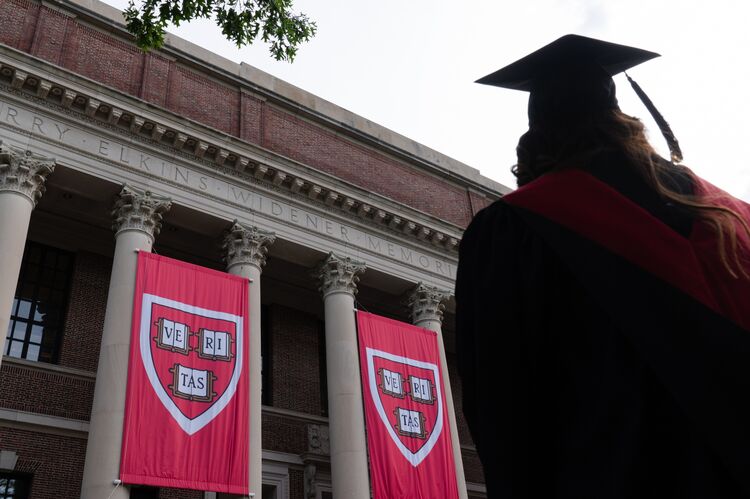
The Trump administration is launching investigations into the use of foreign exchange visa programs at nine top colleges including Harvard University, Stanford University and the Massachusetts Institute of Technology, in its latest broadside against international students and scholars at elite schools.
The sweeping fraud probe is focused on J-1 visas, which at universities are often held by international PhD candidates and visiting scholars. At a press conference Thursday, Vice President JD Vance said schools were using the J-1 visa program to “undercut the wages of American grad students and American researchers.”
“Something weird is going on at these universities. They’re using these visas way too much,” Vance said.
At the same event, the administration suspended an immigration program for several large tech firms, including Microsoft Corp., alleging fraud and abuse of the worker visa system. The one-two punch puts pressure on key pipelines for connecting global scientific and engineering workers with US companies, advancing a major administration goal of curbing the number of noncitizens in high-paying tech jobs or cutting-edge research fields.
Officials said subpoenas had been delivered to all nine colleges and investigations are underway.
Read More: US Suspends Visa Program for Tech Firms Including Microsoft
Earlier this week, officials proposed a fee of $70,000 for international students hoping to enter a popular temporary work visa program after graduating, and an additional $30,000 to get a special extension for those in STEM fields. The administration has targeted H-1B visas as well, proposing similar fees for employees and companies that rely on them for highly skilled foreign workers.
The probes over J-1 visas come amid a wider federal crackdown on international researchers and foreign influence at US universities.
Several agencies have launched investigations into overseas donations at schools including Harvard and Duke in recent months, and officials have hinted at more to come . An ongoing investigation into Harvard is focused on whether scholarships and fellowships funded by donors overseas illegally excluded US citizens in favor of foreign nationals, especially from China.
Other schools under investigation include Yale, Brown, the University of Pittsburgh, the California Institute of Technology, Arizona State University and the University of California at Davis.
A spokesperson for Arizona State University said the school “educates more STEM majors than any other university and employs one of the largest technical and scientific workforces in the country.”
“This benefits both the Arizona and the United States economies and in doing so, ASU has hired the talent needed to perform these functions and done so in complete compliance with existing United States policy and law,” the statement said.
Angie Davis, a spokesperson for Stanford, said the university “complies with all applicable visa laws, including those relating to J-1 visas,” and that they would cooperate with the investigation.
Representatives for the other seven colleges did not immediately respond to requests for comment.
Read More: Trump’s Grad School Slump
The presence of foreign researchers and graduate students on US campuses is increasingly being framed in Washington as a national security concern, as lawmakers’ anxieties mount over defense-related research vulnerabilities and a possible advanced artificial intelligence arms race with China.
Federal officials have ratcheted up rhetoric around global partnerships that have been a pillar of the transnational research apparatus for decades, even as critics warn that the administration’s moves are endangering the scientific preeminence of US universities.
“The Chinese Communist Party doesn’t need to kick down the doors of our research laboratories if our own institutions are willing to leave the doors wide open,” said Anthony D’Esposito, inspector general of the Department of Labor, at the Thursday press conference. “I don’t care how prestigious a university thinks it is: Break the law and screw the American people, and I will personally cuff you in the university square.”
The flow of global scientific, engineering and medical talent is already waning. The number of applicants to PhD programs was down 12% this year from 2025, driven by a 21% drop in international applicants. International students made up nearly 40% of PhD students in science and engineering fields in 2024, according to federal data. Newfound scrutiny of academic exchange visas is likely to exacerbate the decline, weakening pipelines for highly skilled STEM workers.
Read More: How Trump’s Crackdown on H1-B Visas Imperils the American Dream
It could also have a downstream effect on the number of international undergraduates at US colleges, throwing into question a prevalent pathway for foreign students to find well-paying jobs in the country after graduation. The number of international students applying to US schools fell 10% this year; steep declines in full tuition-paying foreign students would deal a major blow to many college budgets.
As the administration looks to curb international participation in cutting-edge scientific research on US campuses, it’s pushing to grow American talent. This week, the Trump administration announced a push to train more American scientists in STEM doctoral programs, which have a disproportionate number of international students.