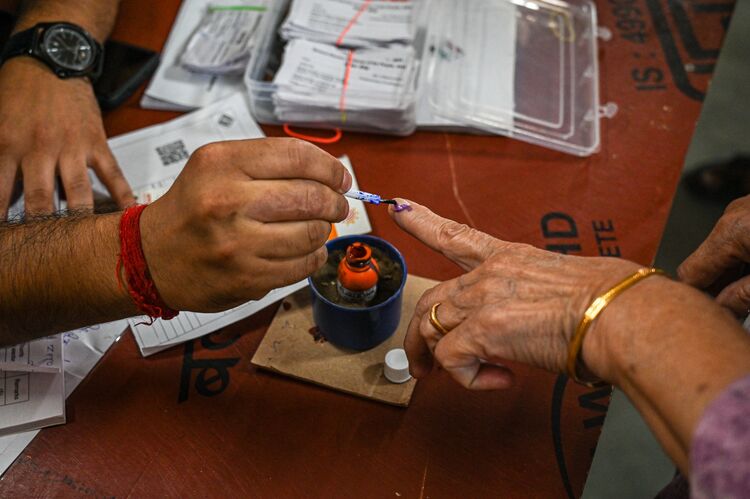
India is in the middle of a massive exercise to revise its electoral rolls by removing dead, duplicate and ineligible voters. But concerns that eligible voters could also be struck off the rolls — potentially affecting election outcomes — have turned the Special Intensive Revision, or SIR, into a politically charged controversy.
Scrutiny of the exercise intensified in late September after the Indian Express newspaper reported that two election commissioners raised objections about the process at least 14 times over a 10-month period. The Election Commission said the objections were part of its normal decision-making process and maintained that all decisions had been unanimous.
The revelations sparked a wave of protests by opponents of Prime Minister Narendra Modi, including opposition parties and the youth-led Cockroach Janta Party. They allege the voter-roll revision benefits Modi’s ruling party and have staged days of protests demanding the resignation of Chief Election Commissioner Gyanesh Kumar.
Here’s what to know.
What is the Special Intensive Revision?
The SIR, which began in June 2025, is the first intensive electoral-roll revision across most of India in more than two decades. Unlike the regular annual revision, which adds new voters and updates addresses, the SIR involves a much broader re-verification of the electorate. Voters are checked against records from the previous intensive revision that was conducted between 2002 and 2004, to check those who have died, moved, appear more than once or can’t be matched to earlier electoral records. Existing voters are asked to verify their details and, in some cases, provide documents showing they are eligible to vote.
The scale is enormous. More than 130 million names have so far been left off draft electoral rolls across more than two dozen states and Union Territories, according to the Indian Express. That doesn’t mean they have all been permanently removed: Voters can file claims and objections and seek to have their names included in the final rolls.
Why is India doing this now?
The Election Commission says such a sweeping review is necessary because migration, deaths and duplicate registrations have accumulated since the previous intensive revision. India’s population has surged by hundreds of millions of people since 2004, making it increasingly difficult to keep electoral rolls accurate.
The review began in Bihar ahead of the state’s 2025 assembly election, with the Election Commission saying it wanted to ensure the electoral rolls were accurate and up to date. Subsequent phases were carried out in several other states, including Tamil Nadu, West Bengal, Kerala and Puducherry, ahead of their 2026 elections. Uttar Pradesh, the country’s most populous state, is likely to hold an election in early 2027.
Why is the SIR controversial?
The Election Commission says the exercise is intended to remove ineligible entries and ensure that genuine voters remain on the rolls. Critics argue that requiring existing voters to prove their eligibility on such a vast scale risks wrongly excluding some of them. Opposition parties and civil-society groups challenged the SIR in the Supreme Court last year, but the court in May upheld the Election Commission’s authority to conduct the exercise, while insisting on extra safeguards for voters.
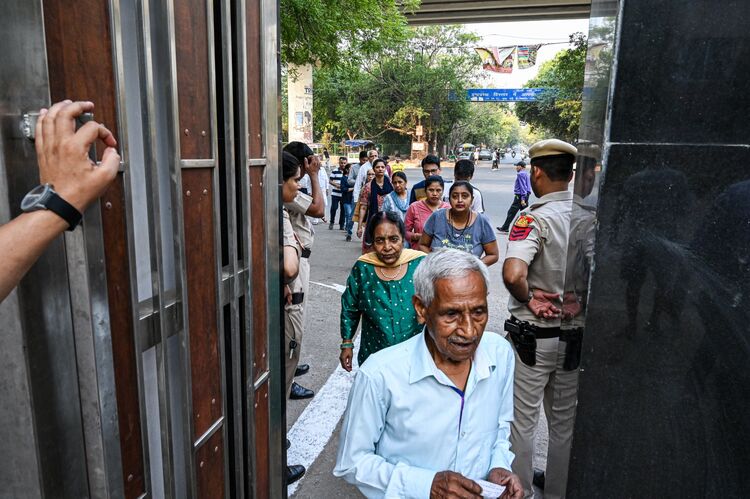
The controversy has been heightened by the timing of revisions around state elections won by Modi’s Bharatiya Janata Party and its allies. The SIR was first conducted in Bihar ahead of its November 2025 election, which the BJP and its regional allies won. Ahead of the West Bengal election in April, about 9 million voters were removed as part of the SIR overhaul. The BJP went on to win the state for the first time — in a landslide. Opposition parties have accused the BJP-led government of using the process to remove poorer and Muslim voters, whom they say are less likely to support Modi’s Hindu-dominated party. The BJP has denied the allegations, while political analysts are divided over the impact of the SIR exercise on election results.
In the West Bengal elections , some analysts pointed to more voter deletions in areas dominated by non-BJP voters. Others said the voter roll changes had little impact, and that the outcome showed a swing away from the incumbent party because people were disillusioned with then-Chief Minister Mamata Banerjee’s rule.
More recently, reports of dissent from within the Election Commission itself have fueled scrutiny of the body responsible for overseeing India’s elections. According to the investigation by The Indian Express, two of the three Election Commissioners, Sukhbir Singh Sandhu and Vivek Joshi, formally objected more than a dozen times to decisions concerning voter registrations, deletions, restorations and control of the electoral database. The Supreme Court is also examining separate allegations that the chief election commissioner made unilateral decisions about how the revision was conducted in violation of the rules.
Who is most at risk of being removed from the rolls?
The revision poses particular difficulties for voters who lack the necessary documents, have moved frequently or can’t easily be located during the verification process. Critics say that leaves migrant workers, poor and marginalized communities and some elderly voters particularly vulnerable to exclusion.
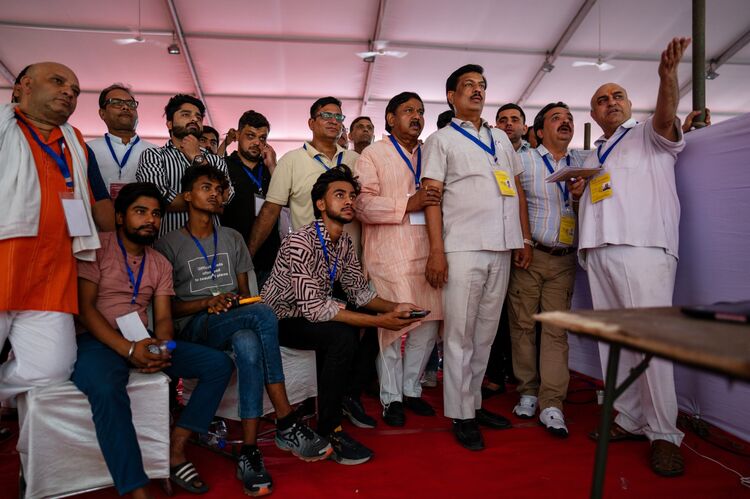
First-time voters could also face additional hurdles. In June last year, the Election Commission introduced a declaration — in addition to a voter registration form — requiring new applicants to state whether they or a parent or grandparent had appeared on electoral rolls during the previous SIR. Critics say tracking down decades-old details about family members such as their constituency and voter serial number could prove too difficult, particularly if they have moved since then. The Supreme Court has also questioned the Election Commission over changes to the form, saying it did not approve them, contrary to the commission’s earlier claim.