A First Nation in northeastern Alberta is challenging the Canadian government’s decision to speed the regulatory approvals for a new west coast oil pipeline.
The designation that the pipeline is in the national interest, announced by Prime Minister Mark Carney last week, allows the government to fast-track the project’s regulatory hurdles by effectively giving it the green light, subject to conditions. Cold Lake First Nations says the government failed in its constitutional duty to consult with the community first. It has filed for a judicial review in federal court of the decision.
The First Nation is “taking this step to protect our Treaty rights, our lands and the Nation’s interests for future generations,” Chief Kelsey Jacko said in a press release Thursday.
Read More: Carney Invokes New Powers to Fast-Track Pacific Oil Pipeline
The application is the first challenge to the government’s pipeline plan, called Pacific Link, though other Indigenous and environmental groups have said they are considering legal action as well. The pipeline would go from Hardisty, Alberta, to a new port south of Vancouver, largely along the existing pipeline operated by the federal government-owned Trans Mountain Corp.
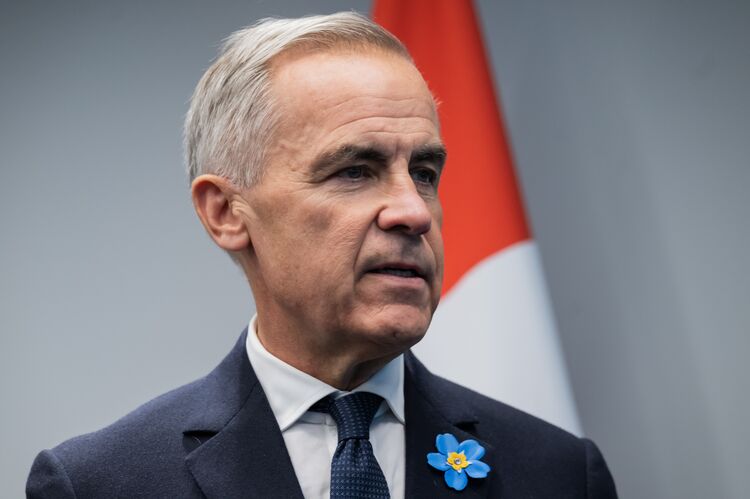
Jacko said Cold Lake First Nations, located in the heart of the oil sands in northern Alberta, supports responsible resource development, but wants to be consulted about the long-term impacts of projects in the region.
The Pacific Link is key to Carney’s trade diversification strategy. If it’s approved, it’s expected to carry one million barrels of oil a day to the west coast where it can be shipped to Asia, reducing the country’s reliance on the US as an export market.
Carney has said the government consulted with more than 130 First Nations and Indigenous communities along the pipeline’s proposed route, and those efforts will continue as the government sets conditions for the project’s construction. The government has also promised to set aside a minimum 10% ownership stake in the project for Indigenous groups.
“We’re developing this pipeline with Indigenous peoples involved from the start,” Carney said at a press conference last week.
Cold Lake is still open to working with the government on the project, Jacko said. “Responsibility to take the first step outside the courtroom now rests with Canada,” he said.