Supply Lines is a daily newsletter that tracks global trade. Sign up here .
The European Union said China will slash millions of hybrid car exports to the bloc, offering a potential trade detente before EU leaders meet next week to discuss further action against Beijing.
“We have reached a shared understanding to moderate China’s exports of hybrids and plug-in hybrids to the EU,” the EU’s trade chief, Maros Sefcovic, told reporters in Beijing Friday. “This opens the prospect of cutting China’s exports by more than a half.”
The Stoxx 600 Automobiles & Parts Index rallied after the announcement, trading about 2% higher on the day, with D’ieteren Group and Renault SA among the biggest gainers.
Sefcovic was speaking after two days of talks with Chinese Commerce Minister Wang Wentao meant to show progress before an EU summit on Thursday, when leaders will decide how they want to handle a mounting trade deficit with Beijing. The EU trade chief will now brief ambassadors about the deal over the weekend, giving capitals a chance to see whether it’s enough to pause calls for more investigations, tariffs and retaliatory powers.
The deal will span the next four years, Sefcovic said, but neither side offered details of how they will moderate hybrid exports. Bloomberg reported earlier this week that the EU was preparing so-called safeguard measures, which typically use tariffs to dissuade imports over a certain volume.
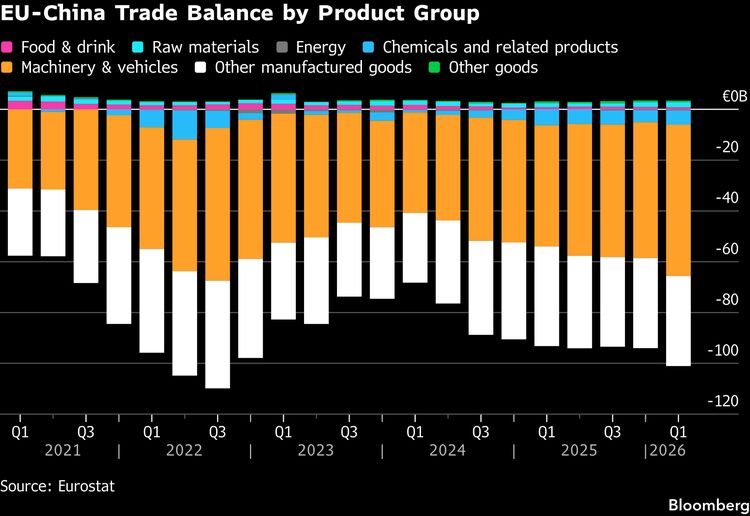
Surging Chinese hybrid car sales have become a symbol of Europe’s frustration with Beijing — but it’s a fraction of the overall issue. EU leaders are anxious about a trade deficit that has exceeded €1 billion ($1.1 billion) a day. They want China to stop flooding the continent with subsidized, low-cost goods that erode local industry. Powerful countries like France and Germany are insisting that if the situation doesn’t change soon, the EU must explore new powers that could enable it to block China’s market access.
“I came here with one clear purpose: to start rebalancing the EU-China trade relationship,” Sefcovic said. “The trade deficit is a mountain of challenge for the European Union.”
He added that China would expand market access for some EU products and work to accelerate licenses for rare earth exports, which Europe needs to build modern technology.
Sefcovic said European Commission President Ursula von der Leyen, the bloc’s top executive, will discuss next steps with EU leaders during their gathering in Brussels. Sefcovic will then meet Wang by January before another set of talks in March. Leaders initially tasked the commission with launching this latest round of trade talks over the summer.
In a statement, the Chinese Ministry of Commerce said the two sides had “reaffirmed their commitment as key trading partners to properly managing differences under WTO rules, maintaining stable bilateral economic and trade ties and making them more balanced.”
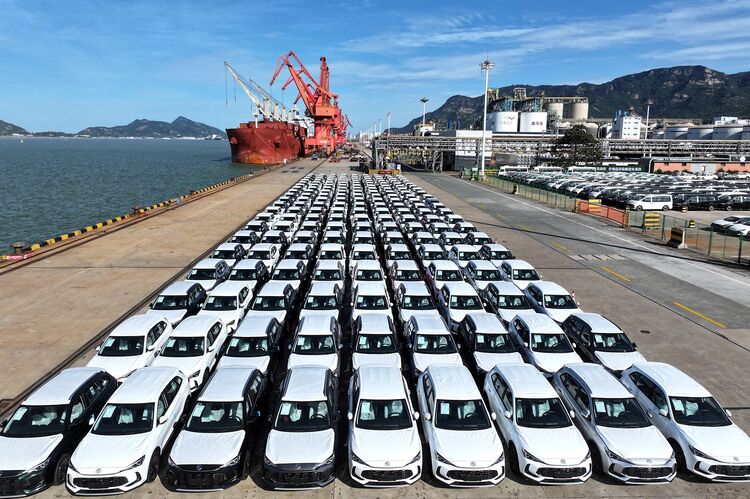
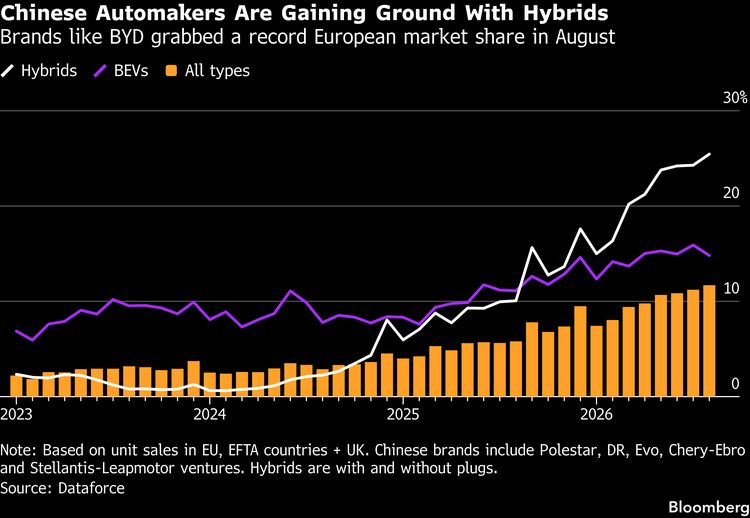
Chinese hybrid car sales have escalated in part because they escaped the EU’s 2024 tariffs on electric vehicles. In August, Chinese-made cars accounted for about a quarter of European hybrid sales.
Ahead of this week’s talks, France and Germany called on the EU to significantly expand its retaliatory economic powers — suggesting it should even consider severing trade ties with bad actors that launch trade wars. Europe’s two largest economies also want the EU to investigate whether subsidized imports are harming sectors like chemicals and plastics — probes that could produce more tariffs.
The proposal was seen as a pressure tactic targeting Beijing, putting Germany’s weight behind forceful moves it had previously opposed.
The toughening stance reflects Europe’s growing awareness that its trade deficit with China, which reached €360 billion last year, is crippling local industry. At the same time, however, China is increasingly relying on those exports to support its own growth.
Beijing has preemptively warned the EU against adopting what it called protectionist measures.