By Sudhi Ranjan Sen | Updated on Oct 09, 2026 at 11:03 AM
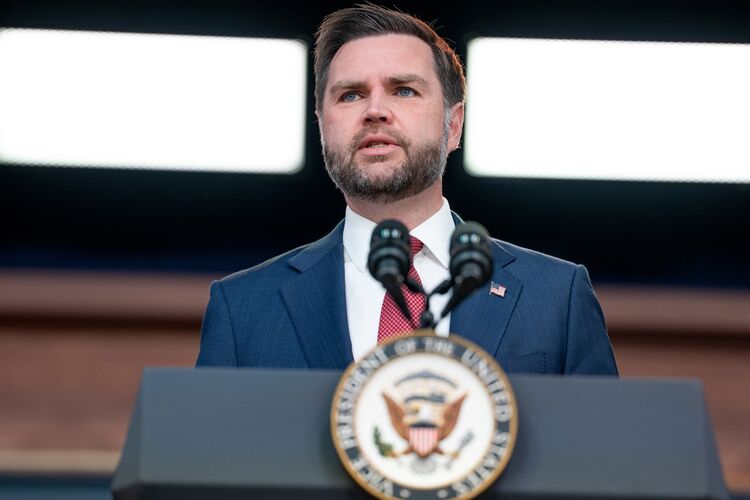
India’s government criticized Vice President JD Vance for “deeply offensive” remarks in which he referred to foreign recruits at software firms in the US, many of whom are Indians, as servants.
Vance and Labor Secretary Keith Sonderling on Thursday suspended some of India’s biggest IT services businesses as well as Microsoft Corp. and Adobe Inc. from a longstanding immigration initiative as part of a crackdown on alleged abuse of the H-1B worker visa system.
Vance urged US companies to hire more American workers and to “stop importing an indentured servant to do a job that an American worker would happily do.”
In India, the term is associated with a colonial-era system in which workers were forced into labor on plantations and farms overseas under exploitative conditions.
Without citing Vance’s comments, India’s Ministry of External Affairs said Friday the remarks were “unwarranted and ignore the fact that Indian professionals in the United States are highly educated and skilled contributors to its economy and innovation ecosystem.”
“Resorting to terminology that carries painful historical and colonial legacy connotations is deeply offensive,” the ministry said in a statement.
India-US ties have come under strain in the past year over trade disputes, immigration and President Donald Trump’s closer ties with Pakistan, India’s nuclear-armed neighbor. Top officials from the US and India recently signaled that trade negotiations are at an impasse despite months of talks.
The latest steps to curb skilled immigration “do not advance the shared ambitions of both countries” since talent mobility is mutually beneficial, India’s MEA said. “The history of the United States itself has been shaped by generations of immigrants whose labour, enterprise and innovation have contributed to its growth and prosperity.”
Ashok Malik, a partner at strategy and business advisory firm The Asia Group, said the latest US restrictions on IT firms are clearly targeted at India.
“It will have an impact on the bilateral relationship,” he said. “The trust between the two countries has clearly suffered now.”
The moves announced by Vance and Sonderling take aim at the Permanent Labor Certification Program, or PERM, which allows companies to sponsor a foreigner who has been working in the US under the H-1B and other visa holders to become a legal permanent resident, the first step to becoming a US citizen.
India’s Tata Consultancy Services Ltd., the largest provider of software outsourcing services in Asia, shrugged off the curbs on Friday, saying they won’t affect its hiring or business strategy.