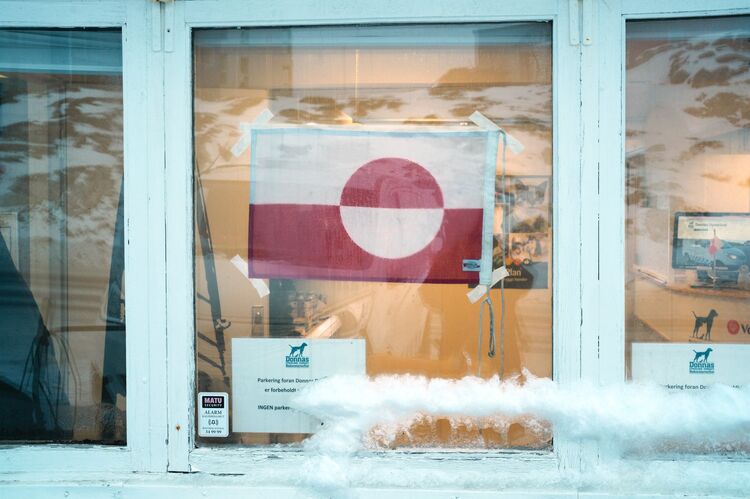
Greenland’s push for independence remains firmly on the agenda after its new security deal with the US, according to the island’s lawmakers.
The semi-autonomous Danish territory is working to map out the legal steps required to become an independent state, with a commission due to report early next year, said Nivi Rosing, chair of Greenland’s foreign and security policy committee. That work is continuing after the agreement gave the US expanded military access to the island.
“Since forever there has been a widespread support for independence and that hasn’t changed,” Rosing, a lawmaker for the governing Inuit Ataqatigiit party, said in an interview on the sidelines of the Arctic Circle conference in Reykjavik. “No country should affect our route to independence, rush us or delay us.”
Explainer: Why Trump Is Obsessed With Taking Over Greenland
Greenland signed the deal with the US and Denmark last month following a bitter dispute over the Arctic island. It allows Washington to establish new bases on the territory and gives it a say over foreign military activity and sensitive investments. While leaving the island under Danish sovereignty, the pact explicitly recognizes Greenlanders’ right to self-determination and provides for the agreement to remain in force if the territory becomes independent.
The deal is “a stepping stone” toward an independent Greenland with a defense model similar to Iceland’s, Juno Berthelsen, the vice chairman of the same committee, said in an interview. Iceland is a NATO member without a standing military and relies on a bilateral defense agreement with the US.
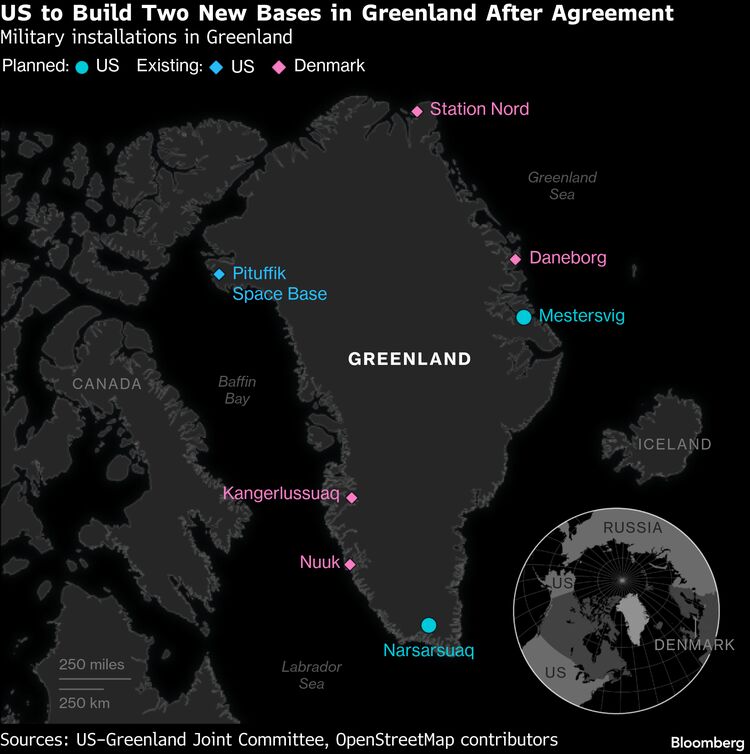
Still, Berthelsen, who is a member of the opposition Naleraq party, is skeptical of the agreement in its current form, particularly because Denmark remains part of the defense relationship. The deal also missed an opportunity to help Greenland build up its own defense capabilities, including a coast guard, he said.
All parties in Greenland’s parliament favor eventual independence, though they differ over how quickly the territory should move toward statehood.
US President Donald Trump’s interest in Greenland strengthened parts of the independence movement but also made many Greenlanders more wary of leaving Denmark too soon. That was reflected in elections in March last year, when three in four voters backed parties favoring a slow move to independence.