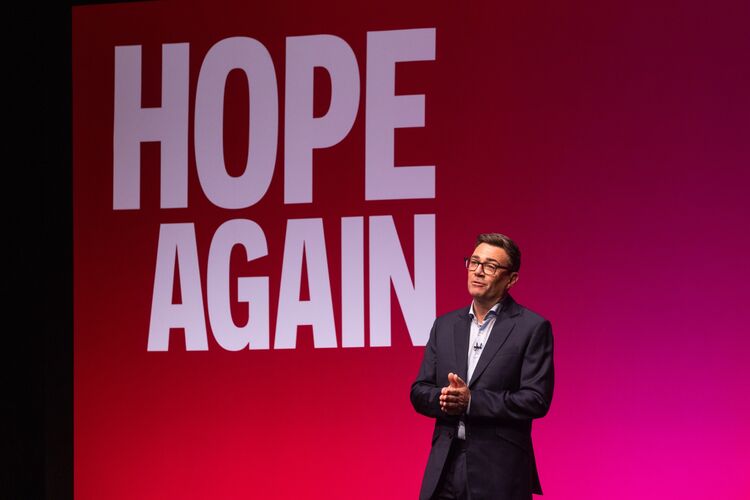
Andy Burnham ended a barnstorming speech at his party conference last week by pledging to restore a spirit of unity to the country. By the time he walked off stage he seemed to have succeeded in something much harder: restoring unity to his own party .
But next week Westminster MPs are back from recess to the business of government, and behind the scenes the first evidence of tensions between senior administration figures has started to emerge. Against a backdrop of the Iran War’s outsized impact on the UK economy, cabinet members are trading recriminations about how to navigate the headwinds, according to people familiar with the matter.
Alongside Burnham’s 10 Downing Street office, Chancellor of the Exchequer John Healey, Foreign Secretary Ed Miliband and Defense Secretary Wes Streeting have each been the target of criticism from officials over the absence of a near-term plan to address the government’s problems: from wars in Iran and Ukraine, to the inflation and energy bills they’ve helped increase.
That’s put the scale and ambition of Healey’s budget later this month into question, with officials nervous that it’s now become a key test of whether Burnham can sustain his honeymoon.
At times, figures in the his government have appeared to take part in a preemptive blame game, already attributing responsibility to colleagues for the difficulties coming down the track, according to a senior government official.
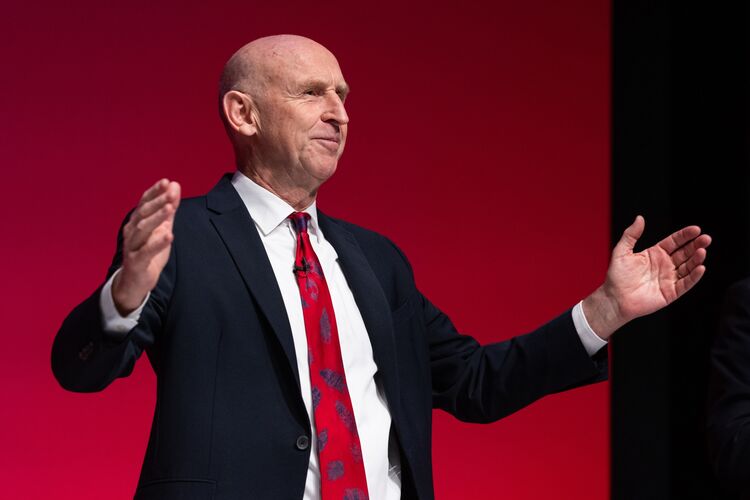
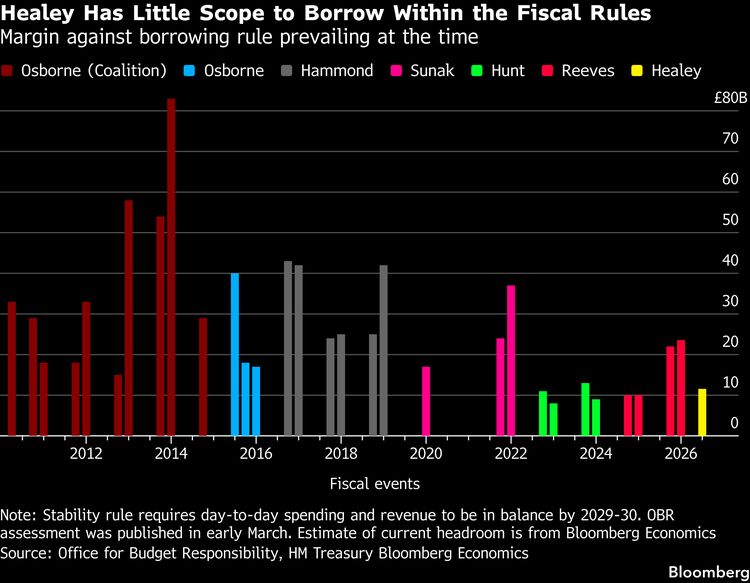
Healey, Burnham’s surprise choice to run the economy, has become a weathervane for criticism, as chancellors locked in budget negotiations often are. The former defense secretary is being pulled in two different directions: he has yet to persuade City of London executives of his economic credentials, while there is pressure on him from within Labour over his plan to keep bond markets on side and unveil a low-key spending program focused on fiscal stability later this month.
Some Downing Street aides are privately agitating for the budget to do more to reflect the can-do narrative emanating No. 10, people familiar with the matter said, asking for anonymity to discuss private conversations. It has to tell a story about how the government is going to get the country through a challenging winter with clear policies that make an immediate difference, according to one official.
Healey’s supporters dismissed recent criticism as something that comes with the territory. One said he wasn’t the favored choice of several in Burnham’s top team, and some of his critics may harbor ambitions to replace him in the Treasury before the next election.
Others argue it’s No. 10 that’s responsible for a lack of game-changing policies. Officials said Burnham has been preoccupied with two set-piece moments: his speech to Labour’s annual conference in Liverpool last month and a 10-year plan slated for December. Both are focused heavily on the future, with bold policies on elder care and closer ties with the European Union only due to be implemented after the next election, due by mid-2029 at the latest.
In the meantime, Burnham’s office has carried out a strategy of announcing a drumbeat of small policy changes to give people what they call “breathing space,” such as putting fuel-price comparisons on Google Maps to help motorists, and a mini-tax cut on household electricity bills. Each government department has been tasked with producing a weekly small-scale “retail” policy, officials report.
Some ministers have privately questioned this approach, warning it risks irritating voters with announcements that seem piecemeal. One said Burnham should be praised for articulating a longer-term vision at the same time as announcing some easy wins, but that there was a gap in between for impactful policies that could be implemented during this parliament.
“Government will never run out of useful little things to do, and plenty are good policy. But an endless conveyor belt of ‘we get it’ interventions risks diluting the governing project they’re meant to serve,” said Mark McVitie, who was founding director of the Labour Growth Group.
Burnham’s allies reject the suggestion his policies for this parliament are uninspiring, pointing to an announcement he made at conference about helping young Britons get on the housing ladder.
Some officials argued there were limited levers they could pull in the face of the ongoing US-Israeli war in Iran. The government, like Bank of England policymakers, blames it for the coming economic hit — albeit not quite so subtly as Governor Andrew Bailey did.
Others urged Burnham, Miliband and Streeting to play more of a leadership role on both Iran and Russia’s war in Ukraine, warning that there had been limited progress on either front, and few ideas from those ministers about how to resolve the hostilities.
Miliband’s foreign policy has so far focused on toughening Britain’s stance against Israel by imposing sanctions on West Bank settlements, a policy that won plaudits within Labour. However, officials said that would make no difference to the cost-of-living in Britain, and that the foreign secretary could be putting more effort into finding a diplomatic solution on the Iran war.
That sentiment was shared by two Gulf officials who told Bloomberg they hoped both Miliband and Streeting would continue to push for the so-called multinational maritime mission aimed at securing the Strait of Hormuz, which the Burnham government has not tended to talk about — unlike its predecessors — as well as a greater role for Britain in defending regional allies from attacks.

Another area where officials are frustrated with their leadership is Ukraine. As the country comes under escalating attack from Russia, with dozens of civilians killed in the last week, Burnham, Miliband and Streeting have not yet had much success in securing air defense support for Kyiv, a top priority for the winter, an official said.
It was welcome that those three ministers had traveled to Ukraine to show support, but the UK needs to deliver on the promises they’ve made President Volodymyr Zelenskyy to help it through the winter, they added.
A key challenge is that, despite Burnham’s seemingly positive first meeting with President Donald Trump in New York last month, private conversations with the US have been more difficult than publicly apparent, according to people familiar with the matter. They were further strained when the US removed its bombers from an English airbase following a terror threat, which British officials warned could embolden Iran and Russia to carry out more sabotage attacks.
For now, voters are warming to Burnham, and he is approaching a 10-point poll bounce since replacing Keir Starmer. But the same global problems that wounded the last prime minister may yet come for his successor — and then rebound at home.