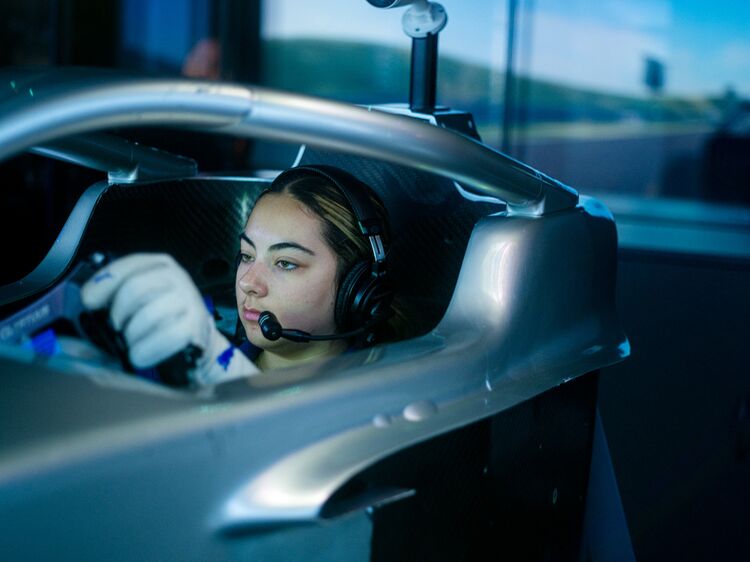
It’s 10:20 on a Friday morning in August, and Ava Dobson is sitting in a tent in the rain playing brain teasers. In a few hours, she’ll take 160-mph practice laps on this racetrack in Zandvoort, on the Dutch coast. But before it’s her turn, there are interviews to do, exercises to perform, notes to review, gear to put on and a lot of waiting around, surrounded by whirring wrenches and roaring engines. Amid all that, the games help keep her mind clear. “Before I go out, I tell myself, ‘Relax. There’s no reason to stress,’” Dobson says. “‘You know what you have to do.’”
Dobson is in her rookie season of F1 Academy (F1A), a women-only racing series designed to help female drivers excel at motorsports. The 18-year-old got her start in karting (think competitive go-karts) before advancing to Formula Four (think F1 cars but less souped up). Her success there got her an invite to the academy, where she races F4 cars before the main event — which, in Zandvoort, is the F1 Dutch Grand Prix. The season takes place over six weekends, the first in March, the last in November, and includes stops in Asia and North America.
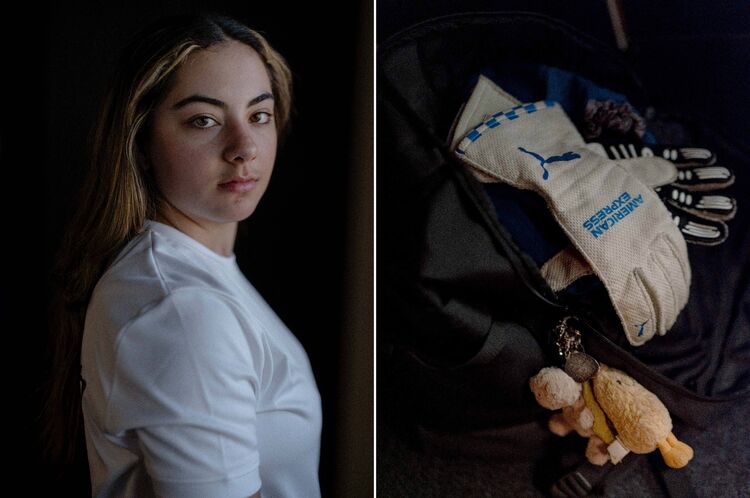
Getting more women competing in elite motorsports, especially F1, can’t happen soon enough. In recent years, car racing has reached unprecedented levels of popularity. Women make up 42% of the global fanbase and account for three-quarters of new fans, F1 reports, growth fueled by the arrival of three races on US soil , Netflix’s Drive to Survive reality show and the rapid growth of engagement on social media. (F1A races can be seen on the academy’s YouTube and X channels and on F1 TV.) But no women drive in F1 — the last time one started a race was in 1976 — nor do they compete currently in the F2 or F3 feeder series. Women comprise only 10% of drivers across all of motorsports, according to More Than Equal, an independent organization working to find and develop the first female F1 champion.
“There’s so much potential commercially for these girls,” says Dobson’s manager, Simon Stoneham, who fist-bumps her as she gets into her car, her wait finally over. The first woman to be an F1 fixture, he says, could be a billion-dollar athlete, given the platform she’d have for companies who mainly advertise to women. “They’re going to run rings around the boys.”
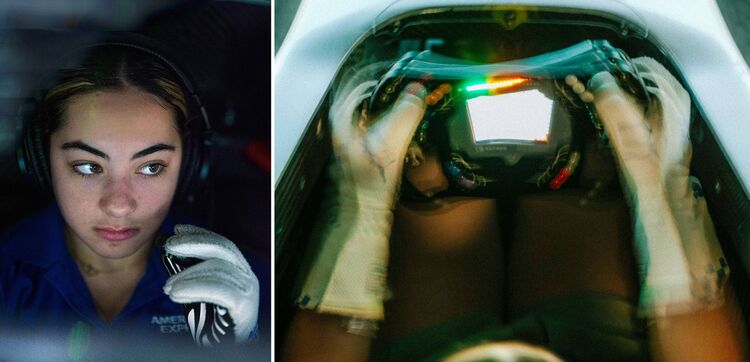
Part of the pipeline issue is that girls often get into karting later than boys, who start as early as 5 years old. “The sport was always perceived as very male-dominated, very macho,” says Susie Wolff , a former professional racer and the academy’s managing director. Many women she meets tell her, “I always loved racing, but I never realized it was something I could do.”
The other issue is money. Racing is expensive for everyone at every level: One day of practice can run $20,000 to cover rental fees, insurance, staffing, fuel, mechanics and instructors. It costs about €555,000 ($631,000) to get an F1A driver through a season, according to Bloomberg Businessweek calculations. Each one is responsible for covering €100,000 of that cost, almost all of which comes from personal sponsorships or family money; the academy pays for the rest mainly via sponsors such as American Express, Gatorade, Lego, Puma, Sephora and TAG Heuer. Providing these sponsorship opportunities is one of the main reasons the academy exists. “A talented guy and a talented girl are gonna get two very different amounts of dollars,” says Vincenzo Landino, founder of Business of Speed, an industry newsletter and consultant. “And if they can’t get money, you can’t get into the right series.”
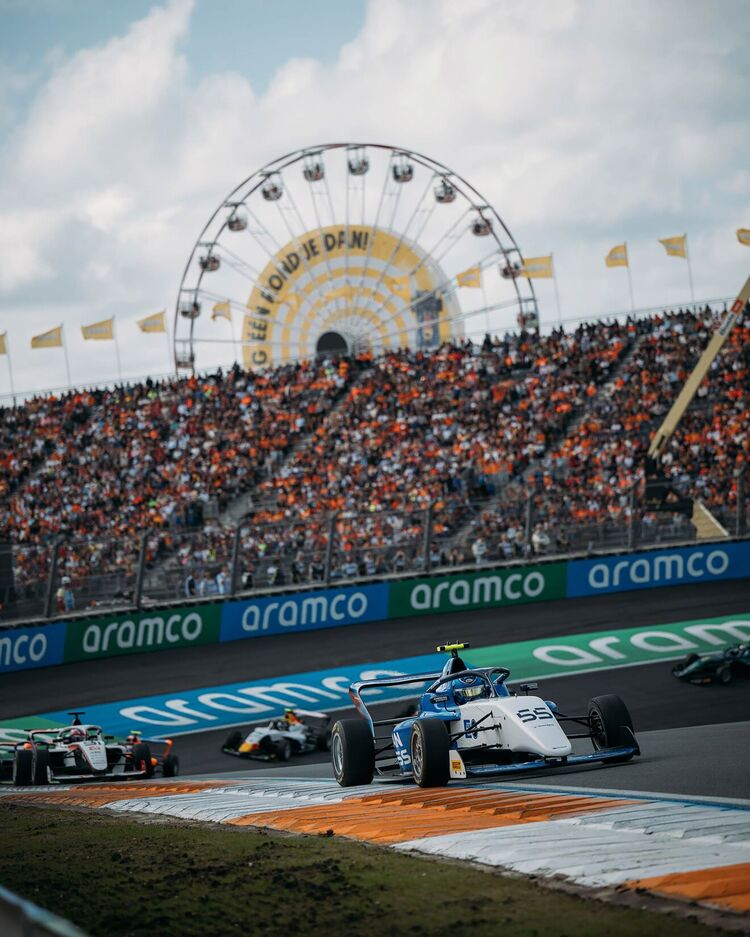
Competing in the academy’s circuit is the cheapest way to race at this level, and it offers the additional benefits of personal brand development and social media exposure. Without the subsidization, many academy drivers would race far less, if at all. Still, after four seasons, none have made it to F1. That’s a point of criticism among some, including last year’s runner-up, Maya Weug, who made headlines in August when she complained about not getting hired to drive in any advanced racing series after graduating. Last year’s winner, Doriane Pin, is a development driver for the Mercedes-AMG Petronas F1 team, helping test cars on simulators and at the factory. The 2024 champ, Abbi Pulling, has a testing role with Nissan in Formula E, F1’s electric circuit.
Many male development drivers go on to race in F1. Still, Wolff acknowledges the academy’s limitations. It’s a balancing act, she says, between giving young women an opportunity and realizing that it doesn’t guarantee a successful career. The academy is not a job placement service; drivers are responsible for their own promotion into the sport’s upper rungs. “Obviously, people want to see these young women progressing,” Wolff says, “but that’s out of our hands.”
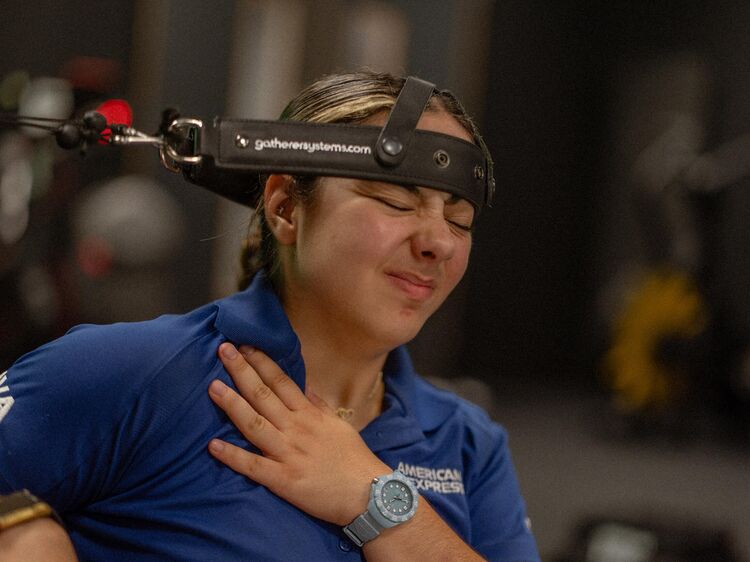
In the practice rounds at Zandvoort, Dobson’s car goes wide at turn eight, hits wet grass and rams a barrier. She’s OK, but she did $8,000 to $10,000 worth of damage to the car, Stoneham says, a bill that will be sent to her father. In two races the next day, where drivers zig-zag through Zandvoort’s 14 corners for 30 minutes, Dobson finishes 8th and 13th. This puts her in 15th place through four weekends.
From here, Dobson, a Milwaukee native, will travel to Southend-on-Sea, about 40 miles from London, where she lives during race season. The Hitech team she races for is based about two hours away, at the Silverstone Circuit in Northamptonshire. She’ll commute by train several days a week to spend thousands of hours in a racing simulator that helps her memorize each twist and turn of the tracks she’ll drive in upcoming races. It’s more monotony, but she embraces it.
“We all love F1,” she says. “Everyone wants to make it there. But that may not be realistic for everyone, and that’s fine. As long as I’m racing, I’m happy.”