By Bloomberg News | Updated on Oct 11, 2026 at 09:58 AM
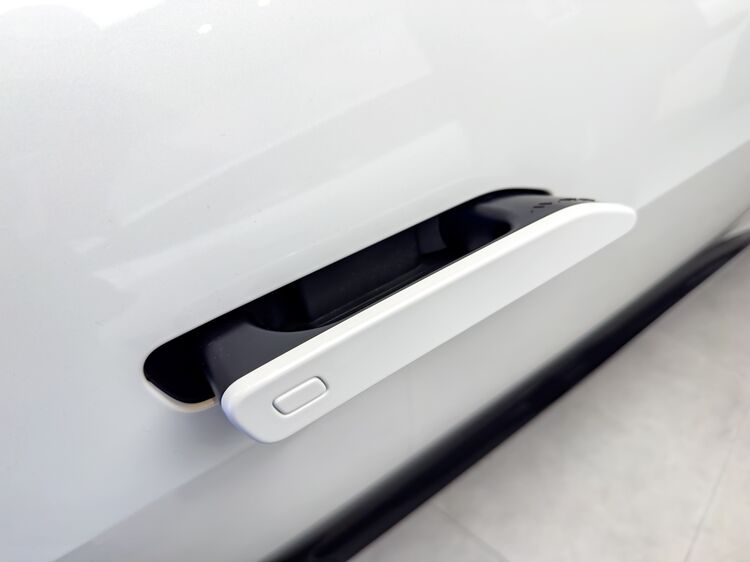
China proposed banning fully hidden car-door handles and requiring physical controls for certain safety-critical functions as regulators seek to strengthen oversight of vehicle design and product testing, according to draft rules issued for public comment by the Ministry of Industry and Information Technology and three other agencies.
The rules would also prohibit foldable and flexible display screens in vehicles and require additional safety assessments for a range of innovative designs. The proposal says some manufacturers have launched new products without sufficient testing, increasing vehicle safety and environmental risks.
Under the draft rules, automakers applying for approval of models with innovative designs would have to submit additional technical parameters and validation materials from Jan. 1. For previously approved models, they would have to provide supplementary information by July 1, with production halted and recalls initiated for vehicles that miss the deadline and present safety hazards.
Vehicles featuring virtual controls for safety-critical functions including lights, windshield wipers and defogging systems would be required to retain physical controls. Emergency functions would also require clearly marked physical controls.
It also proposes reliability testing at at least 30,000 kilometers (18,640 miles) as well as more stringent environmental testing. Automakers would also be required to investigate safety incidents involving innovative-design functions and provide data and technical assistance during police traffic-accident investigations.
Regulators are stepping up scrutiny of what state media have termed “fast-track vehicles,” referring to models developed on compressed timelines with reduced real-world testing. In a commentary published Sunday, People’s Daily said some automakers had shortened development cycles and cut validation procedures in pursuit of faster product launches.
Some manufacturers have relied heavily on simulation testing instead of real-world validation, citing cases in which the majority of testing was conducted virtually, it said. The draft rules send a signal that automakers should not pursue faster product launches at the expense of quality and safety, it said.