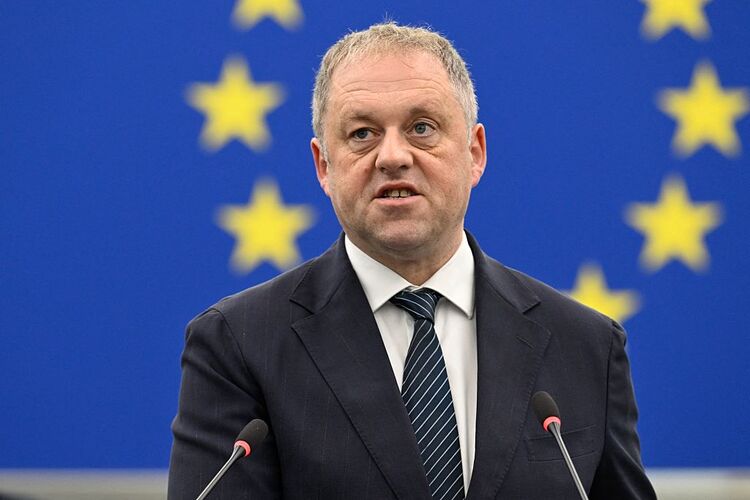
European Union leaders will discuss a scaled back budget when they meet in Brussels next week after negotiators slashed the initial proposal in response to pressure from some countries.
Ireland, which holds the bloc’s rotating presidency, presented a compromise plan on the EU’s next seven-year budget on Saturday, shaving about €160 billion ($179 billion) — or €141 billion in nominal terms — from the €2 trillion figure proposed last year by the European Commission, the EU’s executive arm.
Ireland’s Europe Minister Thomas Byrne said the latest proposal, which cuts some 8% from the initial plan, opens the door to the next stage of the negotiations.
“We have listened carefully to all member states. We have worked with them to identify their priorities,” Byrne said on Saturday. “Nobody’s going to get everything that they want in any proposal.”
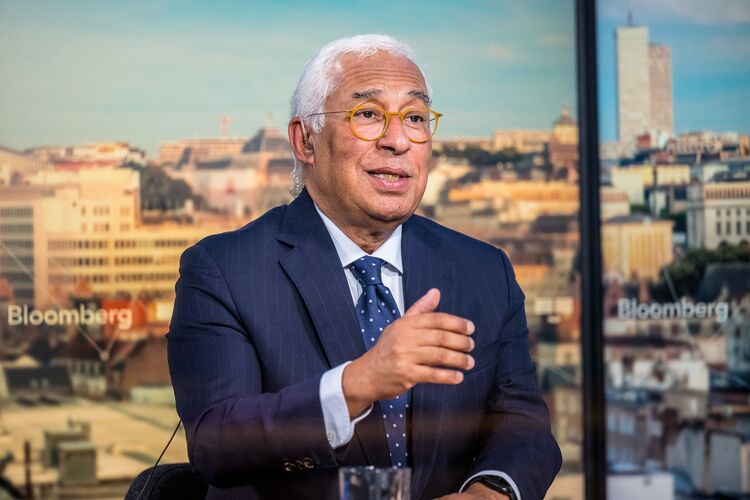
The compromise follows months of behind-the-scenes negotiations on the budget, known as the multi-annual financial framework (MFF). European Council President Antonio Costa, who chairs meetings of EU leaders, is pushing for a deal by December.
Despite the cuts proposed on Saturday, the size of the next budget will still be 30% higher in nominal terms than the last MFF which spanned 2021 to 2027.
In a statement on Saturday, German Chancellor Friedrich Merz said the scale of the new proposal “does not provide a basis for an agreement.”
“The EU budget must be affordable for those who bear the main burden of financing it,” he said, adding that the budget needed to modernized.
The size and scope of the EU’s seven-year budget has long been a subject of contention, with countries like Germany, Austria and the Netherlands advocating a smaller package while other member states including Italy and Spain opposed to cuts.
Read more: Germany Leads Call for EU Budget Cuts in ‘Hundred Billion’ Range
There have been calls for years for the EU to direct spending away from areas like agriculture and funding for poorer countries — which have traditionally represented more than half of EU spending — to new priorities such as research and innovation as well as defense.
Under Ireland’s proposal, money for the Common Agricultural Policy (CAP) and cohesion funds – those earmarked for less affluent EU members – will be protected. Instead, the reduction from the earlier €2 trillion proposed price tag will be offset by cuts to development funding, administration, and the bloc’s competitiveness fund, relative to the initial proposal.
The bulk of the EU’s budget is financed by contributions from member states, with “net contributors” coughing up most of the money. Germany has been one of the most critical voices, dismissing the commission’s initial price-tag hours after it was presented last year as “unacceptable.”
The proposed cut is unlikely to be enough to appease “frugal” member states. Speaking on Friday, Dutch Prime Minister Rob Jetten said that a budget increase compared to the previous seven-year budget is “simply not viable at a time when national budgets are already under pressure.”
Jetten said the budget must reflects current concerns such as security, economic resilience, and competitiveness. “We cannot just saddle our citizens with high costs unless we offer solutions to today’s challenges,” he said.
Christian Ehler , a German member of the European parliament, said the latest proposal “signals that Europe gives up in the race on AI, quantum technologies and cleantech.”
EU leaders begin their two-day summit on Oct. 15, with energy, Ukraine and China policy expected to be in focus as well as the budget.