By Jenny Che | Updated on Oct 12, 2026 at 03:12 PM
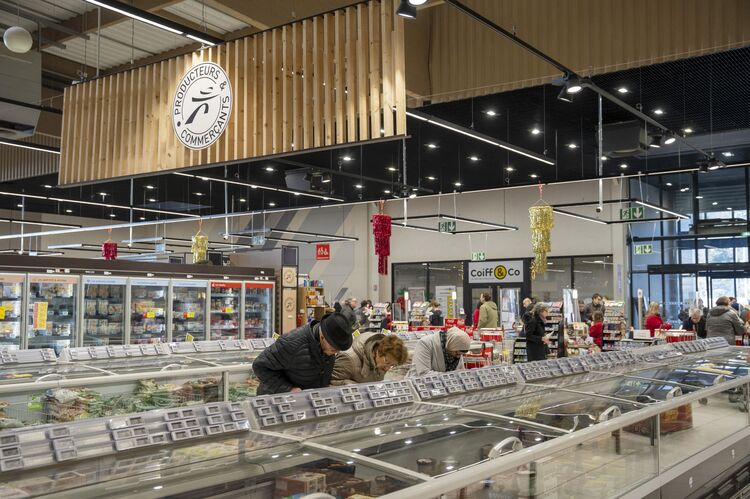
Hundreds of supermarkets in France were targeted by cyberattacks on Sunday night, disabling refrigeration systems and forcing stores to throw out damaged food.
Around 150 Intermarché stores were hit, a spokesman for owner Groupement Mousquetaires told Bloomberg. Hackers accessed cooling systems and set them to defrost, with refrigerators and freezers heating to 50 degrees Celsius for around six hours. Meat, frozen items and vegetables had to be tossed out.
Mousquetaires said the systems were managed by Danish refrigeration firm Danfoss and that it would be up to the supplier to file a complaint with authorities.
Cooperative U was also hit by the cyberattacks, CEO Dominique Schelcher said on X. Fewer than a hundred of its stores were affected, Agence France-Presse reported. Some Leclerc stores were also targeted, BFM said .
Leclerc didn’t immediately respond to a Bloomberg request for comment.
Danfoss said it was “aware of incidents in France” and working with customers to implement mitigation measures.
The majority of the affected products are old technologies, including the company’s AK-SM 800 and AK-SC 355 refrigeration systems, which no longer receive software or security updates, Danfoss spokesperson Lars Grubak Lohff told Bloomberg.
“Danfoss has long advised customers to keep supported systems updated with the latest firmware and to migrate legacy systems to current-generation solutions,” Lohff wrote.
In August, cybersecurity researchers at Team82, part of Claroty, wrote a report flagging vulnerabilities in Danfoss controllers used to manage refrigeration in supermarkets and other cold storage facilities. The group said it had found a hidden authentication mechanism that could be used to tamper with the operations of refrigeration systems.
Danfoss sold a €500 million 5.5-year bond on Monday that drew more than €3 billion of investor bids, according to a person familiar with the matter who asked not to be identified. The lead managers moved the pricing level by as much as 37 basis points tighter during the process.