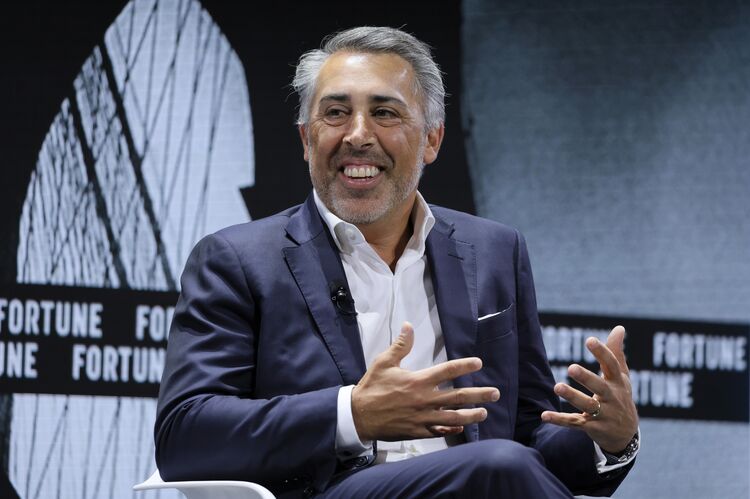
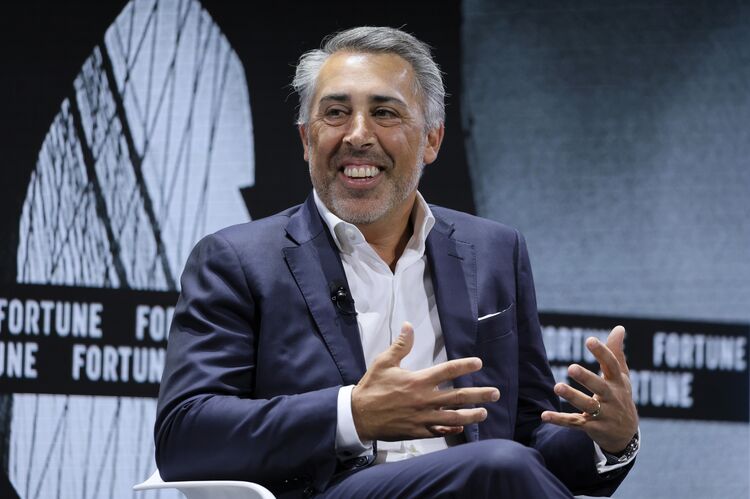
McKinsey & Co.’s North American head Eric Kutcher is emerging as an early contender to lead the consulting giant as Bob Sternfels’ term as global managing partner comes to an end next year.
The consulting firm recently changed its process to elect a global managing partner and will start voting next year, according to people with knowledge of the matter.
Kutcher, a former chief financial officer at the firm with a near three-decade tenure, has been lauded by senior partners for his part in cost-cutting initiatives, said the people, asking to not to be identified discussing private information.
Kutcher was part of a senior team behind “Project Magnolia,” a 2023 effort through which 1,400 jobs were cut, the people said.
An appointment to McKinsey’s global leadership team is traditionally seen as a stepping stone to the top job and other competing candidates will likely emerge from that bench, the people said.
McKinsey’s more than 700 senior partners will start voting for a new chief in January, the people said. Anyone who secures more than 50% of the vote outright will be elected automatically, the people said. If not, seven candidates will advance to a second ballot.
From there, if no candidate receives 50% of the votes, the field will be narrowed to three, with a final ballot in February 2027, the people said.
“We don’t comment on our election, which is a confidential process among our senior partners,” Shelley Stewart III, head of McKinsey’s insights, reputation and engagement division, said in a statement.
Sternfels is currently serving his second three-year term as McKinsey’s global managing partner. The next person in the role will serve for an initial four years and may serve a subsequent two-year term, subject to a confirmation vote, the people said.
A new chief will inherit a firm navigating some of the biggest shifts to hit the consulting industry in decades. With artificial intelligence threatening to automate traditional consulting work, McKinsey’s next chief will have to balance figuring out how to boost productivity with AI and convince clients its services are still worth premium fees.
Global consulting clients are also reassessing their exposure to sensitive markets, particularly as relations between the US and China have deteriorated. The tension has been exacerbated as the two countries vie for advanced chips, computing power and critical technology, in the race to build AI tools.
Read More: McKinsey Partners Debate China Presence as US Tensions Rise
In recent years, some partners in North America have questioned McKinsey’s presence in markets including China, some of the people have said. Some US clients have also grown uneasy about firms such as McKinsey doing business in Mainland China as tensions between the two countries persist, particularly in sensitive industries including technology and defense, some of the people said. McKinsey has slimmed down its headcount in cities such as Shanghai, the people said.
Kutcher, in his 50s, is a senior partner and was CFO from 2020 to 2024, and also sits on the board of directors at the Federal Reserve Bank of San Francisco. He previously ran the firm’s technology, media and telecommunications practice.
The new chief will also be under pressure to keep a lid on costs, an effort that has taken place under Sternfels. McKinsey, EY, Accenture Plc and PwC have cut jobs in recent years amid a slump in demand for consulting.
In an interview with Bloomberg TV this month, Kutcher said the firm is hiring more people, adding that AI presents “one of the great opportunities for us.”
“Last year, we hired about 12% more consultants than we did the year before in North America,” Kutcher said in the interview. “This year, the number will be just below that number in terms of growth. We are absolutely growing our consulting base.”
The firm’s leadership last year discussed with managers in non-client-facing departments the need to cut about 10% of headcount across the business, Bloomberg News has reported. That could amount to a few thousand job cuts that McKinsey would stagger over the next 18 to 24 months, people familiar with the matter said at that time.