European carmakers welcomed a plan to cap imports of Chinese hybrid vehicles that eases an immediate threat to the bloc’s troubled auto industry.
The measure will effectively cut the number of these vehicles China will be able to sell in the EU by millions over a four-year period. Shares in European carmakers including Volkswagen AG and Stellantis NV made small gains on the news, reflecting how the industry still faces a litany of challenges the deal on hybrids will only partially offset.
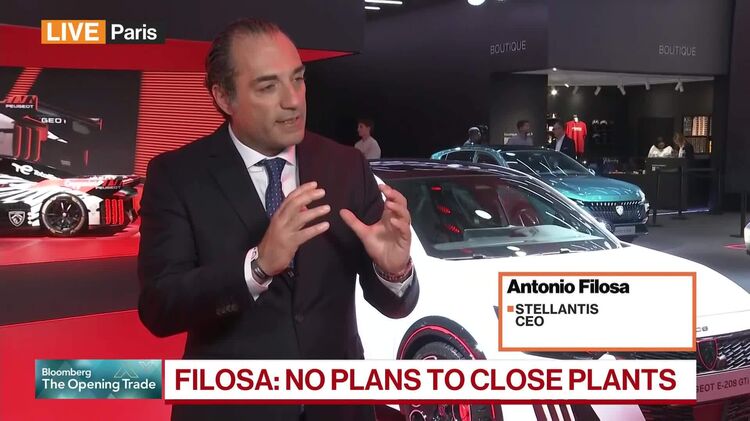
Limiting hybrid imports is a “good milestone to pass” though it’s “just a first step,” Stellantis Chief Executive Officer Antonio Filosa said in a Bloomberg Television interview. The industry needs a “level playing field with a set of regulations that grants everybody” the chance to compete at the same level.
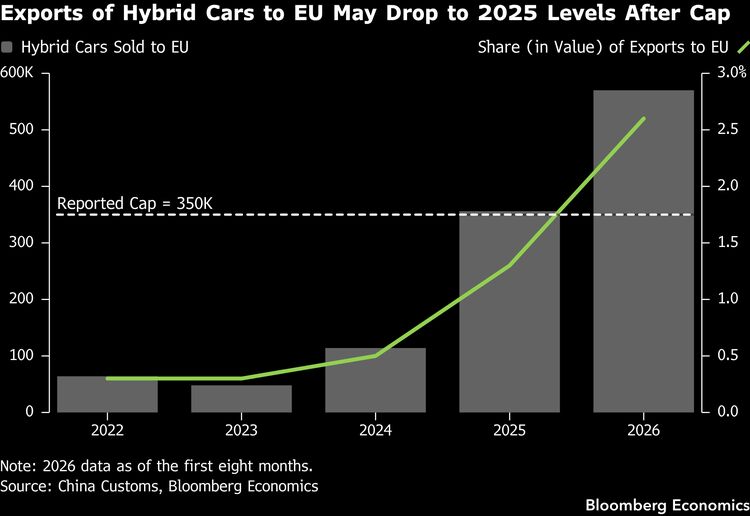
The EU will cap imports of hybrid vehicles made in China at 350,000 per year, Bloomberg reported earlier. The restriction, which will go into force in December, will increase by 6% annually and will apply to all imports, not just those from China. The level of quotas that will apply to all countries outside the European Economic Area outside China aren’t yet known.
Read More: Renault CEO Welcomes EU-China Deal on Hybrids as ‘Milestone’
EU leaders will meet in Brussels Thursday to discuss the hybrid issue as well as ways to stop China from flooding the continent with subsidized, low-cost goods that erode local industry.
Europe’s carmakers, led by VW, have been forced into broad overhauls as their Chinese counterparts like BYD Co. edge ahead on electrified vehicles. The hurdles are mounting in both China and on their home turf.
VW on Monday reported a slump in deliveries of 39% in China, which for decades has been its biggest and most profitable market. Despite ongoing efforts to shave costs and shedding jobs, the industry is still fighting for a long-term solution to its waning competitiveness.
That threat is also taking hold in the region whre Chinese carmakers are setting up their own plants. BYD’s executive for its international business, Stella Li, said the manufacturer will enter mass-production at its Hungary plant in the fourth quarter and is scouting for a second site. France and Spain are the current frontrunners, she said in an interview.
“BYD is a long-term company,” Li said. “With a long term commitment in the region we’d like to double down on investment, and can build a second and third factory here.”
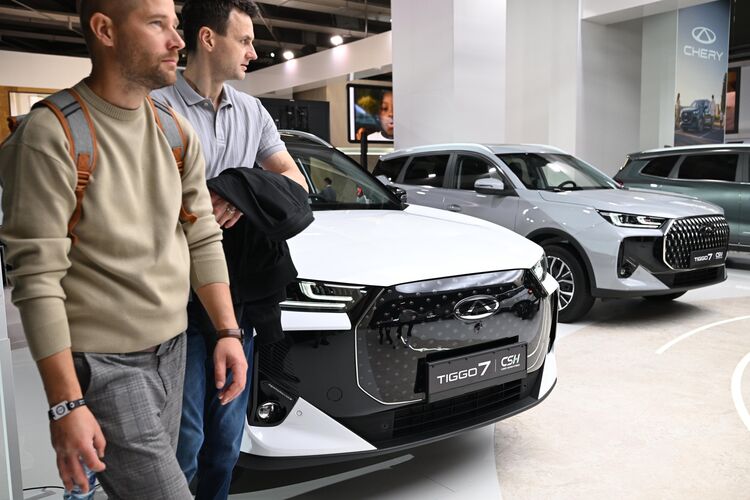
The plans, with many more including Leapmotor and Chery Automobile Co. working to establish a broader setup in the EU, come as the bloc pursues agreement on ‘Made in Europe’ rules that will foster local production far beyond “screwdriver sites.” There’s also discussion that could further ease stringent stipulations on CO2 reductions from passenger car fleets.
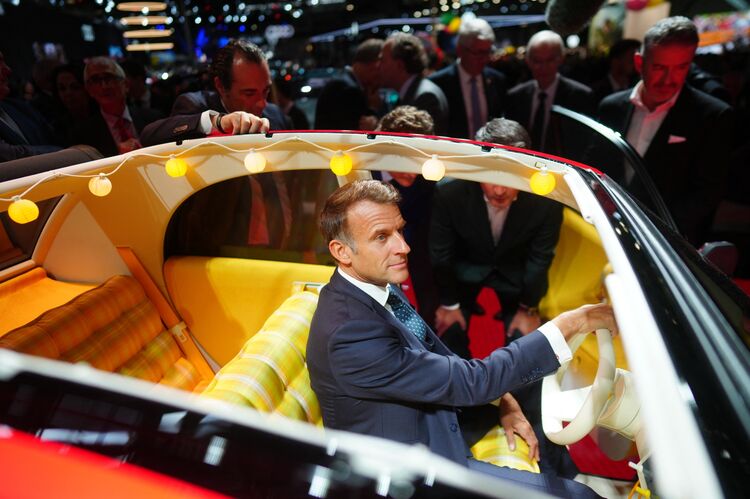
On Monday, French President Emmanuel Macron said he expected · an imminent agreement with Germany to better protect the European car industry. The two nations have been negotiating a broad package to protect automotive jobs, potentially involving a compromise over the proposed rules favoring European-made products, as well as vehicle-emissions legislation.
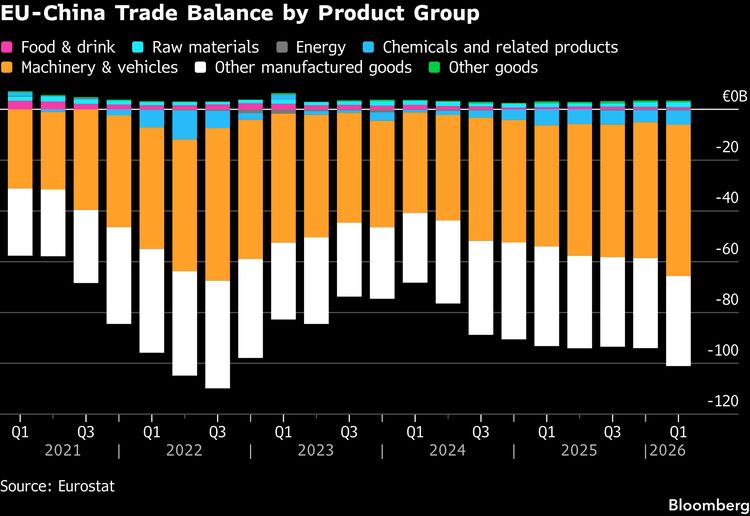
For the EU, the deal on hybrids spells a win in its push to address a deepening trade imbalance with China that has threatened to cause a worsening rift.
“The trade deficit is a mountain of a challenge for the EU,” The EU’s trade chief, Maros Sefcovic, told reporters in Beijing Friday. “We must defend our industries and restore a level playing field that has been distorted by global overcapacity.”
Sefcovic is due to meet his Chinese counterparts in the new year to take stock of the agreement reached and discuss next steps.
For hybrid shipments entering the EU, the cap will be enforced by customs, which will restrict the clearance of any imports above the quota, according to a senior official with knowledge of the plans who spoke on the condition of anonymity. The commission assessed that without the safeguard measure, hybrid imports from China would reach 800,000 for all of 2026.
Though the talks have generated tangible results so far, some European officials worry that progress toward tackling the massive trade gap will be too slow given its size and the bloc doesn’t have much time.
China, which previously used its grip on rare earth supply to choke supply chains, has described the agreement as ensuring “export space and steady growth” for its carmakers rather than curbing sales.
The Commerce ministry said the would protect Chinese companies’ interests and prevent trade tensions from escalating, while stressing that any arrangement must conform to World Trade Organization rules.
The agreement reached between the EU and China would apply to both hybrid electric vehicles and plug-in hybrid cars. It will cover all sources of EU imports, including nations with whom the bloc has a free-trade agreement, Bloomberg reported earlier.