The Conservatives have pledged to build a £10bn integrated air-defence system to protect the UK from missile and drone attacks if they win the next general election.
The proposed system, dubbed “Britannia Shield”, would involve an improved network of radar, command and control systems, and interceptor missiles to protect critical national infrastructure and military bases from aerial threats.
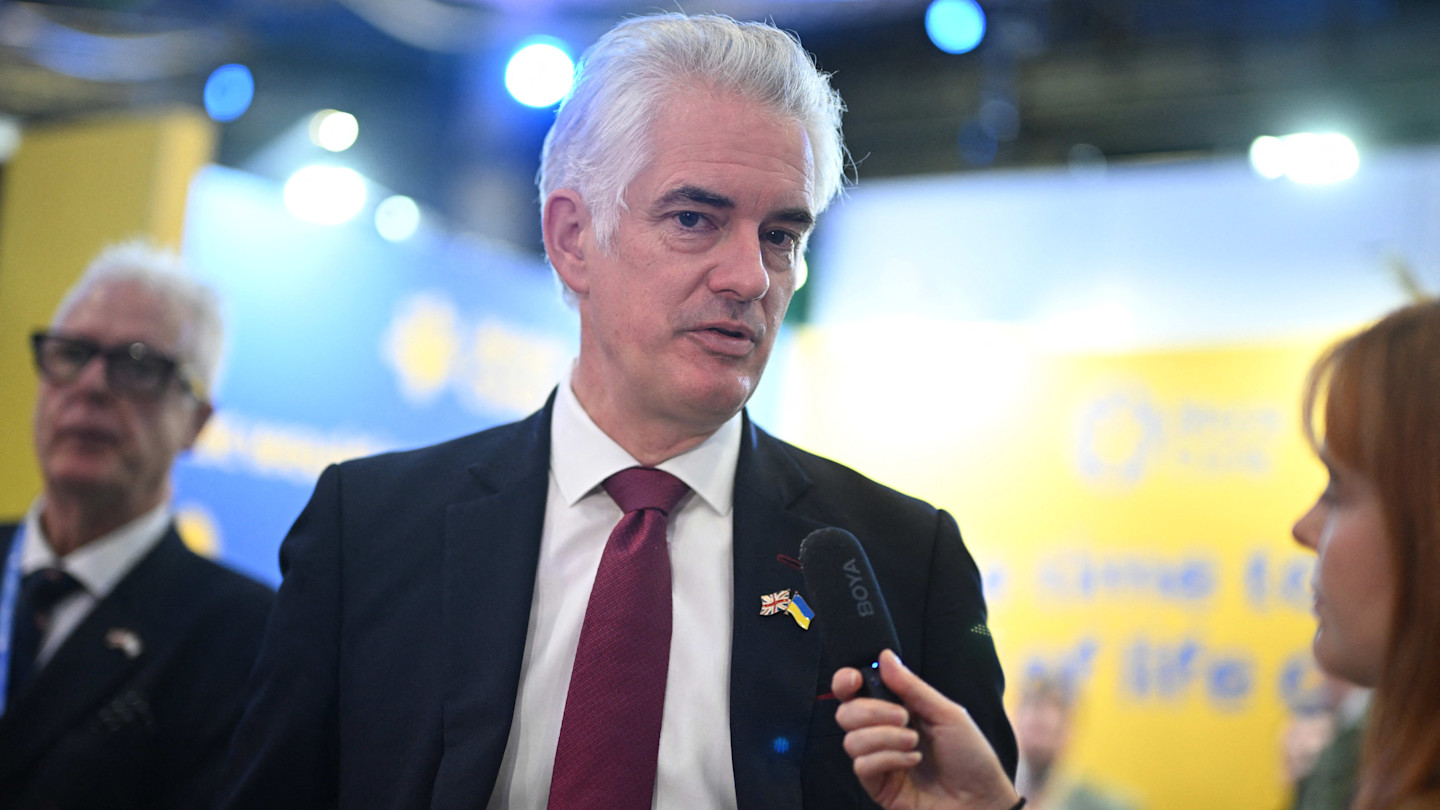
Tory shadow defence secretary James Cartlidge will say in a speech to the party’s annual conference on Tuesday that the shield would represent “the most significant upgrade to UK air defence for generations” and “would be one of Britain’s most significant military programmes since the cold war”.
It would be designed to safeguard UK sovereign territories and overseas bases as well as home territory.
Promising to spend £10bn over a decade, funded by welfare cuts and reprioritising spending, the Tories’ proposed budget is over 10 times the £1bn funding that the Labour government has set aside for the same purpose in its 2025 Strategic Defence Review.
However, it falls far short of the billions spent on Israel’s “Iron Dome”, “David’s Sling” and Arrow anti-missile defences, which defend against frequent ballistic missiles and drone attacks. Brigadier General Reem Aminoach, former financial adviser to the IDF chief of staff, once estimated that a single night’s worth of interceptors in 2024 cost $1.3bn-$1.6bn.
Experts estimate the cost for a state of the art system for the UK is much higher than the Conservatives’ plan.
“Many people in the country assume there is a sort of Iron Dome over at least London, and that is not even remotely there. The cost of an Iron Dome at entry level is probably £80bn over 10 years,” said General Sir Richard Barrons, co-author of the Strategic Defence Review and former commander of Joint Forces Command, in testimony before the House of Commons defence committee in July.
Conservative Party leader Kemi Badenoch responded to the criticism on Tuesday, telling the BBC: “We are not building the Iron Dome. We are doing what other European countries are doing: Greece, Benelux countries, Belgium and the Netherlands, and Germany. We are designing something specific for the kind of threat that we face here.”
The Conservative leadership views defence as a vulnerable area for Andy Burnham’s government. Chancellor John Healey is under pressure to commit to spending 3 per cent of GDP on the military by 2030, the target over which he resigned as defence secretary in July, precipitating Sir Keir Starmer’s political demise.
Last month, Badenoch vowed to reach the target, which she said would be funded by welfare cuts. The Tories have also pledged to create a £50bn sovereign defence fund and increase the size of the British Army.
The need for stronger protections from missiles and drones has been illustrated by the conflicts in Ukraine and the Middle East, where long-range attacks have been key features. A recent Russian drone attack on Leipzig airport and Iranian proxies launching drones at RAF Akrotiri in Cyprus have raised concerns.
This spring Colin Da Silva, former commander of Britain’s ground-based air defence, warned that the country had “extremely limited capability” to defend itself against ballistic missile threats.
He told the FT that the £1bn earmarked for missile and air defence last year was a significant shortfall in the funding needed to counter threats.
Labour hit back against the Conservatives’ “dismal record in government” on defence, which included shrinking the army to its “smallest size since the Napoleonic era”. Burnham is delivering the biggest sustained increase in military spending since the cold war, a Labour spokesperson added.
Defending Britain in a more dangerous world will be the core theme at the Conservatives’ conference in Birmingham on Tuesday.
Deputy Tory leader Alex Burghart and shadow foreign secretary Tom Tugendhat will be speaking from the main stage alongside Cartlidge, before Badenoch’s keynote leader’s speech on Wednesday to close the annual gathering.
On Tuesday Badenoch compared her party leadership to a refresh of a heritage brand that had lost its way.
“It always happens when the brand stops looking after its core customers and starts doing things that are off-brand, and it takes some time to recover from that. But that is what I’m doing, refreshing the brand,” she told Times Radio.