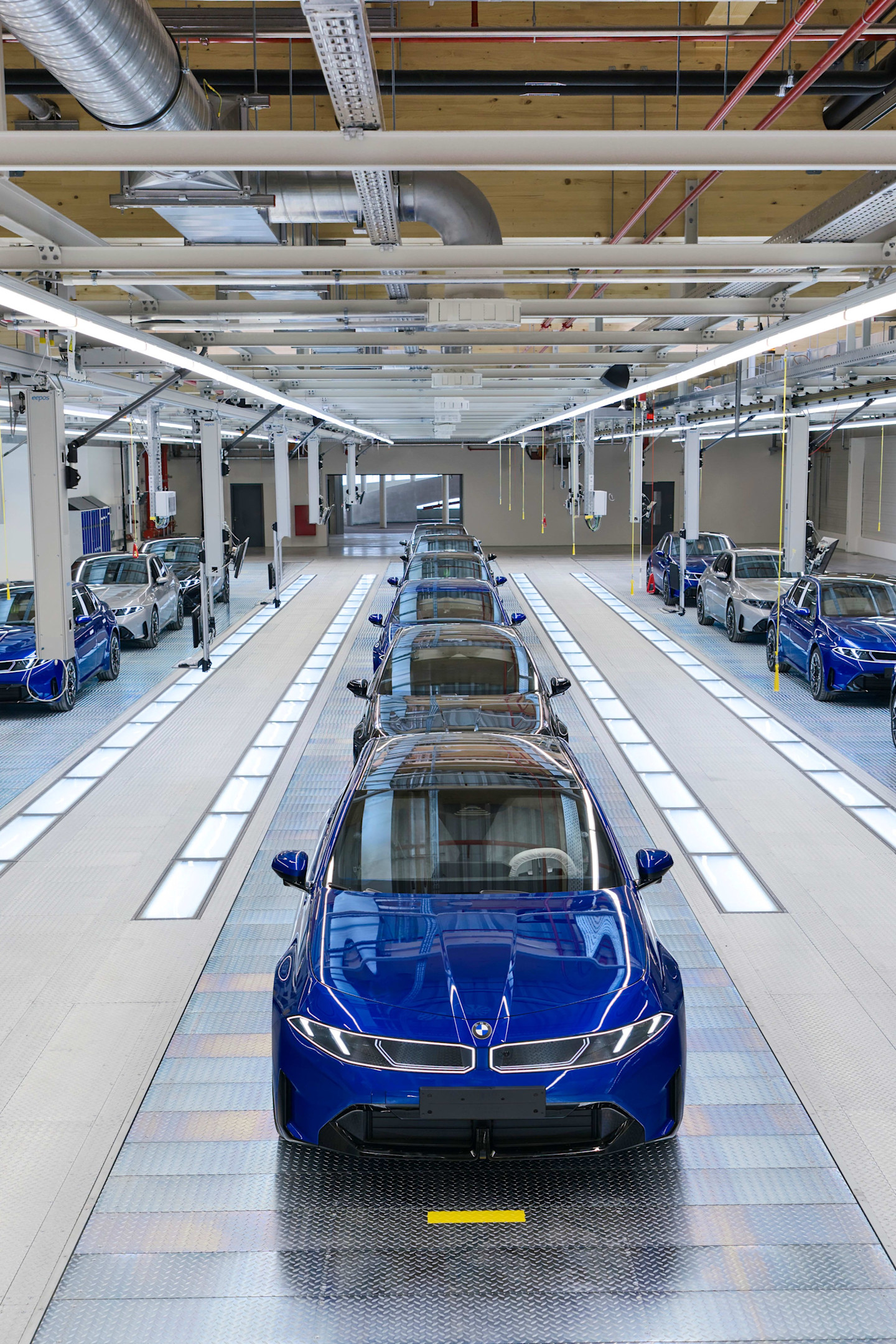
Hemmed in by residential neighbourhoods in one of Germany’s most expensive cities, a century-old factory in central Munich has become BMW’s production hub for its next generation of cars.
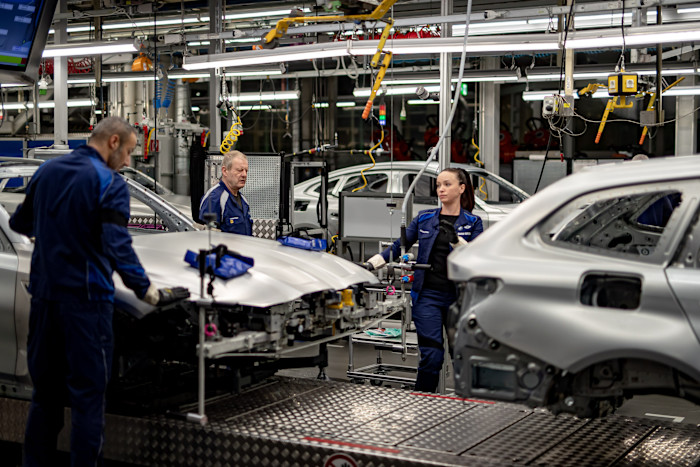
BMW’s main plant across the road from its corporate headquarters houses 6,000 workers who build the new all-electric version of the 3 Series. The German carmaker has sold more than 18mn units of the model since its launch in 1975, while production of the eighth generation started in August.
“This is where we build the cars of the future,” plant chief Peter Weber told the FT during a factory tour.
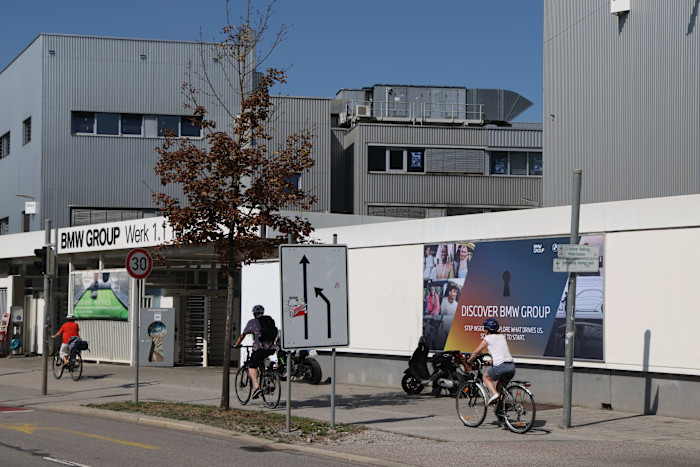
The Munich overhaul is at the heart of a high-stakes bet by BMW on the future of manufacturing in Germany. While Volkswagen and Mercedes are cutting capacity at home amid high labour and energy costs, BMW is trying to decouple from the decline of German industry, which has been shedding as many as 15,000 jobs a month.
“We definitely see a future for Germany as a manufacturing location,” said the group’s head of production, Raymond Wittmann.
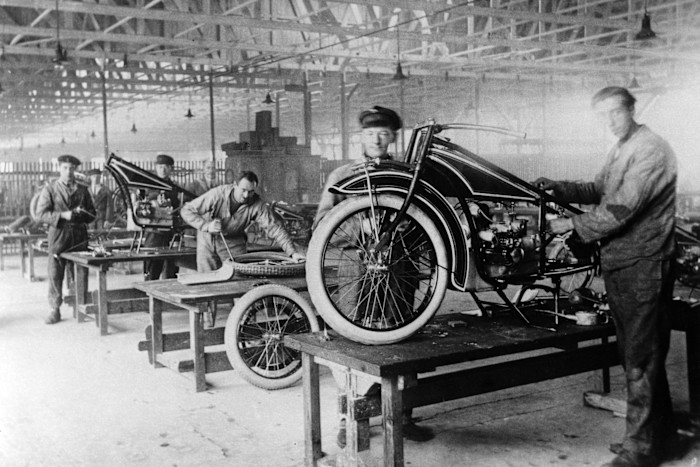
The factory, which started production with aircraft engines and motorbikes in 1922, has been rebuilt over the past five years. Manufacturing extends across three floors connected by lifts, with self-driving robots delivering parts straight to the assembly line.
BMW has invested about €2bn in its 3 Series production sites in Munich and Dingolfing and a new battery plant some 135km north-east of Munich. “That’s a very clear commitment to the location where we are based and where we are at home,” said Wittmann.
While the group also spent about €2bn on a new plant in Debrecen in Hungary and is axing more than 8,000 back-office jobs, blue-collar workers are excluded from the cuts.
Like its rivals, BMW has been hit hard by falling sales in China and US tariffs. Milan Nedeljković, who became chief executive in May, warned in the summer that it would take more than five years for BMW’s operating profit margin to return to the longstanding range of 8 to 10 per cent. This year, the group is bracing for just 1 to 3 per cent.
But BMW’s domestic production has held up better than that of its German rivals. One in four vehicles made in Germany last year was a BMW, with production of 1.07mn cars, just shy of the number manufactured in 2024.
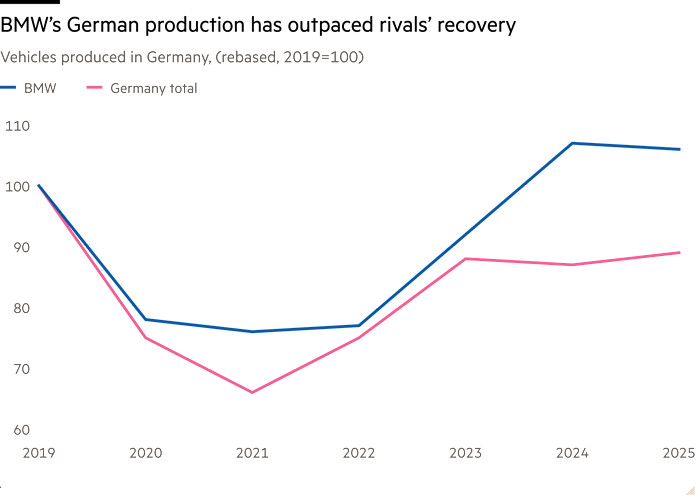
While German car production fell 10 per cent in 2025 from pre-pandemic levels, BMW saw a 6 per cent increase, helped by its decision to bring production of the Mini Countryman, the X1 and some 5 Series models in-house from partners in the Netherlands and Austria.
“Over the past few years, [BMW] has gained market share and consistently had better plant utilisation in Germany than Mercedes or Volkswagen,” said Patrick Hummel, head of European autos research at UBS.
As a premium brand, BMW faces less competition from new Chinese rivals in its home market for now. Compared with mass-market rivals, premium carmakers are eking out higher profit per vehicle, usually leading to higher margins, which helps them to accommodate German labour costs.
“There is a different [corporate and managerial] culture at BMW,” Horst Ott, boss of IG Metall in Bavaria and a BMW supervisory board member, told the FT. BMW’s leadership was not just “thinking from one quarterly number of [earnings before interest and tax] to the next”, but took a longer-term perspective, he noted.
The group’s current position owes much to decisions taken years ago, including producing a higher share of its vehicles sold in China and the US locally. As a consequence, German factories are less affected by falling sales in Asia and the impact of Donald Trump’s tariffs.
BMW also embraced electric cars earlier than its German rivals, launching the first i3 in 2013. The model was a commercial flop but taught BMW important lessons about the risks of dedicated EV production.
The carmaker has been supported by firm underlying demand, which Hummel describes as “extremely strong”.
Helena Beron Wisbert, professor of automotive economics at Ostfalia Hochschule Wolfsburg, attributes this to a “relatively new” vehicle line-up and “state of the art technology” for electric vehicles.
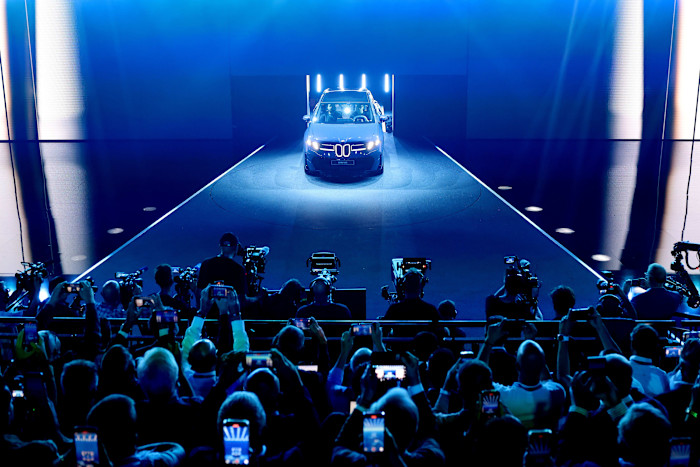
The all-electric iX3 SUV, built in Hungary and the first model based on BMW’s “Neue Klasse” software-controlled platform, has attracted more than 100,000 orders since its launch a year ago, leaving buyers facing waits of up to a year.
“We’re ramping up production as fast as we can,” said Wittmann. Last month, BMW added a night shift to its Debrecen plant, with three shifts producing vehicles 24 hours a day. “The electric 3 Series could be as much of a blockbuster product as the iX3,” said Hummel.
Yet the carmaker cannot escape the challenging economics of producing in Germany. “From a hard-nosed economic perspective, there is little reason to invest in new plants in Germany,” said Moritz Kronenberger, fund manager at Union Investment, pointing to high labour and energy costs. “The money would probably be better invested elsewhere.”
Weber, the BMW plant boss, said that despite the Munich plant’s history and proximity to headquarters, “we don’t enjoy any special status”. His plant has to be “just as competitive as every other production site”, he stressed.
Production costs per vehicle have come down by 10 per cent following the plant’s modernisation and the “Neue Klasse” platform. The new system is digitised and simplified, and the number of parts delivered “just in time” has increased from 45 per cent to 68 per cent, reducing storage costs.
While labour costs per hour in Germany are about three times higher than in Hungary, the gap in overall production costs is much smaller, according to Wittmann.
“Taking everything together, there are not big differences,” he said. Material costs for an EV amount to €20,000-€25,000, while labour costs stand at €1,500-€2,000. German plants also benefit from their proximity to key suppliers, keeping logistics costs low.
Yet even inside BMW there are concerns that the economics could shift against its German plants. A person familiar with the thinking of a supervisory board member said the board member was “very, very worried” about Chinese competitors with newer technology and lower costs, and feared that further job cuts might become necessary in the future.
Wittmann said the competitiveness of German plants may deteriorate “over the medium to long term” if the supplier network shifted towards eastern Europe and more parts were sourced locally. Lower logistics costs “could shift the balance further” towards production in eastern Europe, he said. “That is why it is important that labour costs, energy costs and the overall system in Germany continue to be optimised.”