It was the early 1970s, and Beverly Buchanan — a young Black woman from North Carolina, with a master’s degree in public health from Columbia University — was working in the Bronx and New Jersey, educating people about birth control and vaccination. In the evenings she would go to the Art Students League, where she studied under the renowned abstractionist Norman Lewis. Her primary artistic inspiration, though, came on her daily commute. In her paintings, Buchanan started to reimagine slabs of the urban fabric — a wall of torn posters, the brick side of a church — in fields of vivid colour. “If I could, and I try,” Buchanan wrote in one of her notebooks, “I’d put that dude in the white and maroon car, with his bad shades, on canvas.”
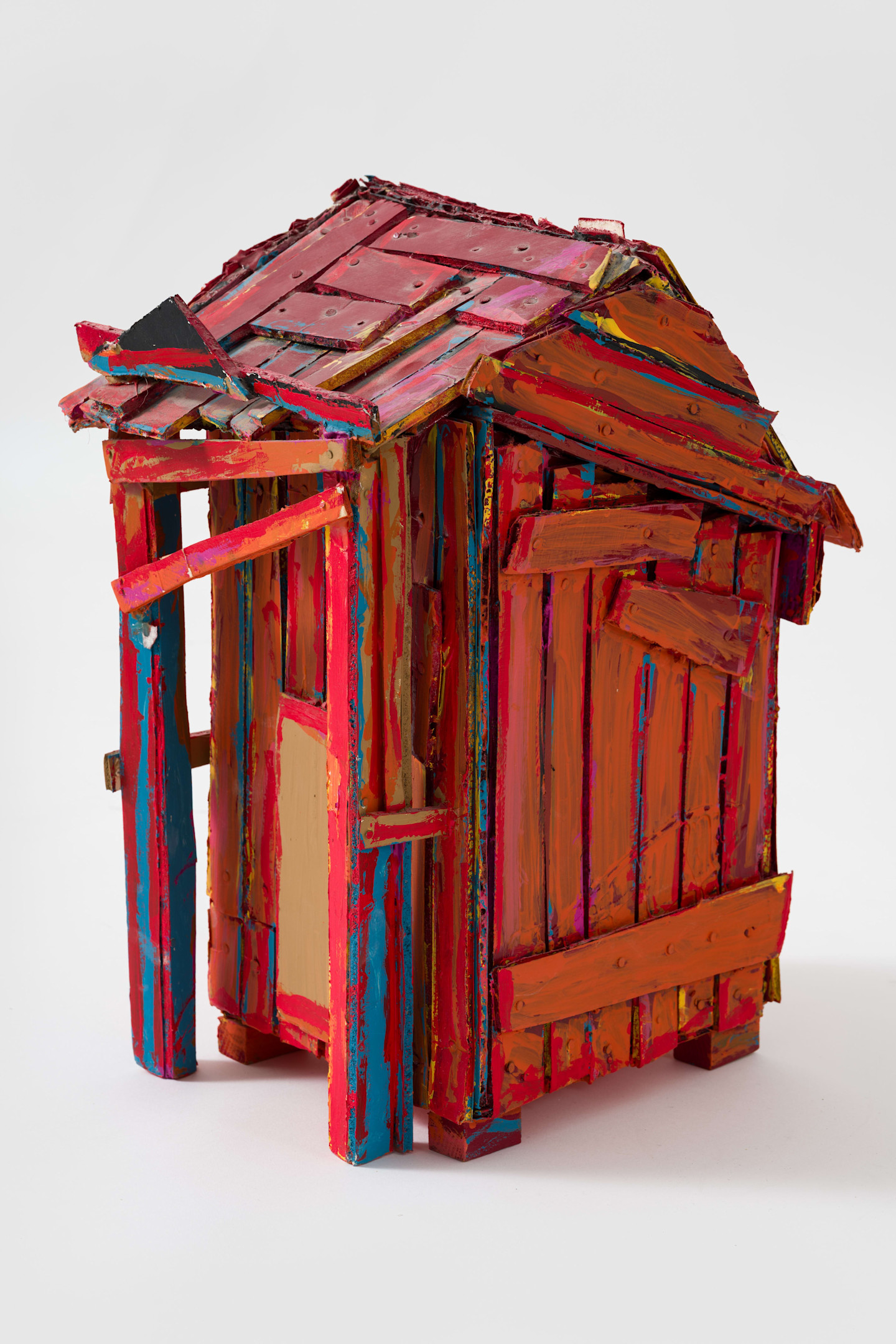
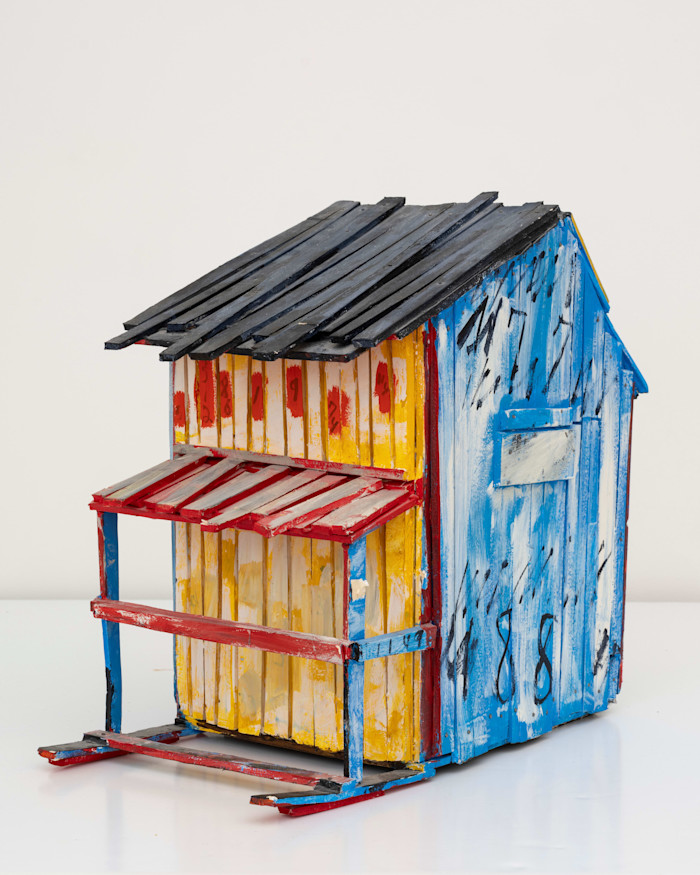
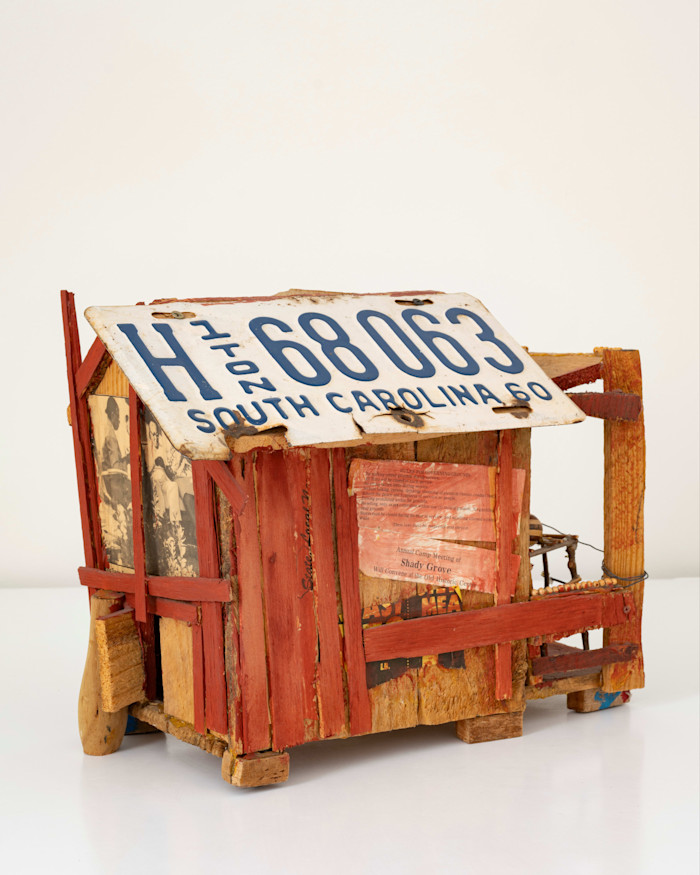
It was the beginning of one of the most remarkable careers in recent art. A group of Buchanan’s “shack sculptures” will be presented at Frieze Masters, alongside the paintings of Antiguan artist Frank Walter, by Andrew Edlin Gallery, which has also produced an admirably comprehensive book on her life and career. From any orthodox point of view, these late works might suggest that Buchanan went backwards, both in place and in idiom. In so doing, however, she ploughed thrilling new ground.
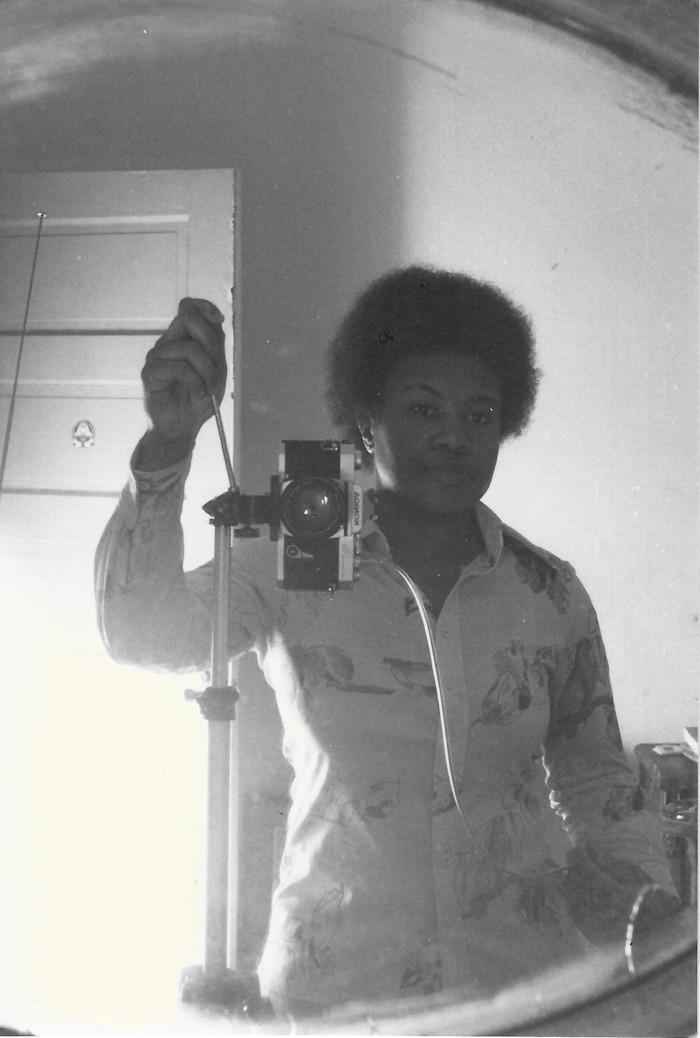
In 1977 Buchanan made the courageous (and financially risky) decision to leave both New York City and her medical career behind. She moved back down South, setting up a studio in Macon, Georgia. She began touring the impoverished countryside nearby, following in the footsteps of Depression-era artists like Walker Evans and Dorothea Lange, and found an abundant richness in it. She drew and photographed what she saw: ad hoc shacks crazily atilt, their corners propped up on squat stone stacks.
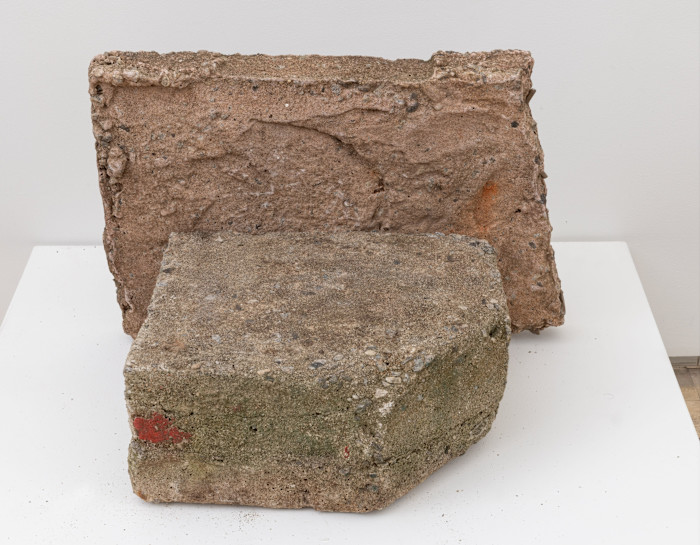
This was a homecoming of sorts. When Buchanan was little, she would often travel with her adoptive father, the dean of the agriculture school at South Carolina State College, visiting rural farms and former plantations. The experience inaugurated a lifelong interest in the built environment, the world as it actually is, rather than as planners envision it. In Macon, her work turned sculptural, though that word fails to capture its extraordinary roughness. She adopted a local home-brew building material called “tabby” — a type of concrete, with crushed oyster shell as a binder — and moulded it into blocks. She then piled these up in galleries, turning nice clean spaces into demolition sites. At the suggestion of one of her dealers, she called the series “Frustula”, Latin for “fragments”.
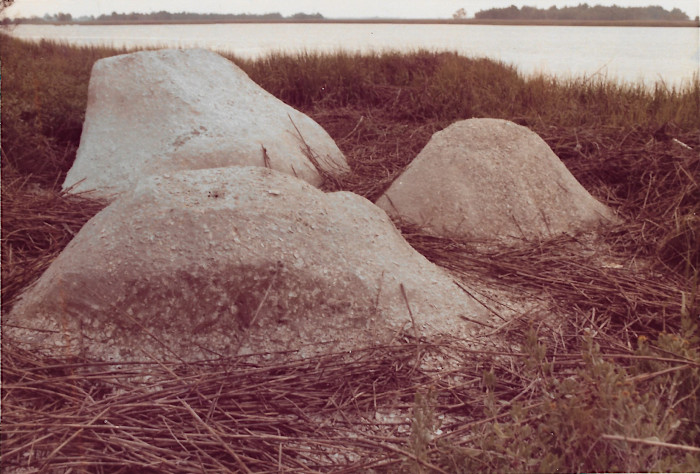
Buchanan also took her work outdoors, most powerfully in “Marsh Ruins” (1981), a cluster of amorphous tabby sculptures positioned in the marshlands near Igbo Landing, site of an 1803 rebellion by a group of African people who had overthrown their captors. According to oral tradition, some had intentionally drowned themselves, preferring death to enslavement. After Buchanan installed her enduring anti-monument, she watched the humped forms sink gently into the wet earth. “Nice little rain,” she wrote in her notes. “Already claiming the Ruins, the land is.”
Clearly, Buchanan was not one to play by the rules, and it’s likely for just this reason that her star has risen so dramatically since her death in 2015. The art world, a place where authenticity is always in demand, is eagerly celebrating her for going her own way. In addition to the presentation at Frieze Masters, a touring exhibition, Beverly Buchanan: Weathering, has recently opened at Spike Island, in Bristol, and she was also featured in this year’s Venice Biennale.
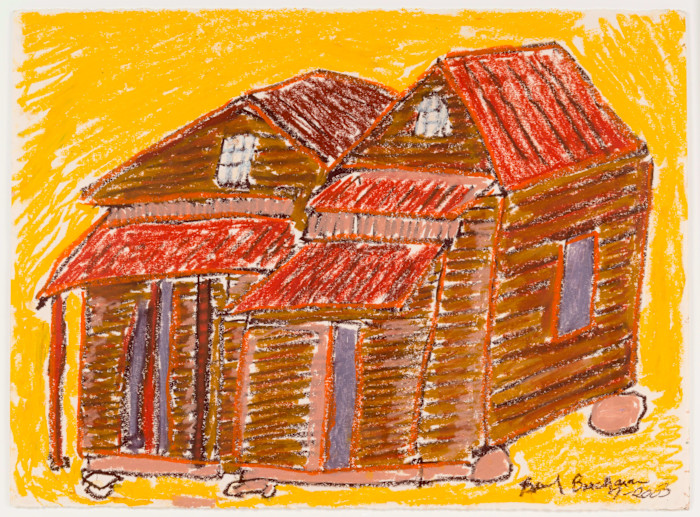
A seeming paradox animates Buchanan’s art: as she withdrew from the avant-garde abstraction then current in New York to embrace a grassroots vernacular based on DIY architecture, her work actually became more formally and thematically complex. One of her many wonderful drawings of ramshackle dwellings, “Blue Sky Shack” (1988), has a manifesto to this effect written in its margins. It reads, in part: “I think that artists in the South must confront, at some point, the work of folk artists, not necessarily in their own work but rather in the idea that the folk artist sees and experiences the same sources — food, dirt, sky, reclaimed land, development, violence, guns, ghosts, etc.”
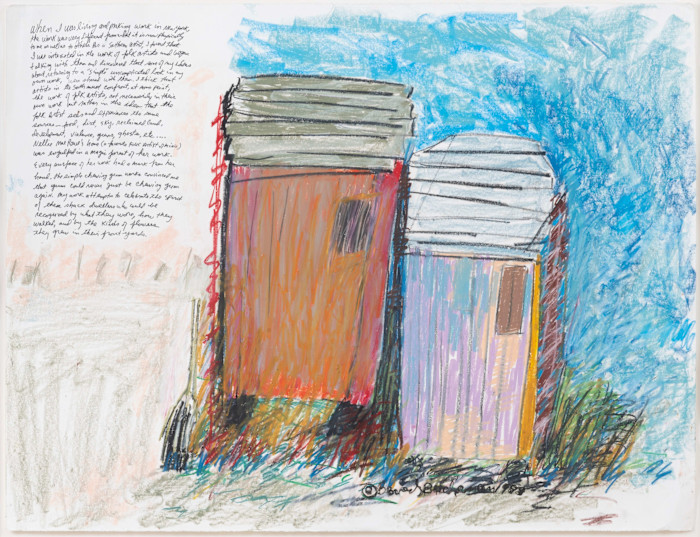
This conviction — that communal experience can anchor individual expression — was central to Buchanan’s late work. She loved the traditional house forms of the South: dogtrot and double pen, saddlebag and shotgun. In her sculptures of the 1980s onward she recreated them more or less faithfully, though adding riotous embellishment with paint, buttons, bottle caps, handwriting, even nailed-on licence plates. “All seemed impossible,” she said, “until I remembered that I had spent time in a house like this and had had the best fried chicken in my life and saw stars through the roof.” Only the size of dollhouses, these works nonetheless look long lived in, and indeed, like authentic folk art, though they also call to mind contemporaneous assemblage sculpture and handmade models by some deconstructivist architect. What they really are, though, is the work of an artist who was entirely and uncompromisingly herself, and who always responded to the reality of her surroundings.
Frieze Masters, October 14-18, frieze.com; ‘Beverly Buchanan: Weathering’ at Spike Island, Bristol, to January 31 2027, spikeisland.org.uk