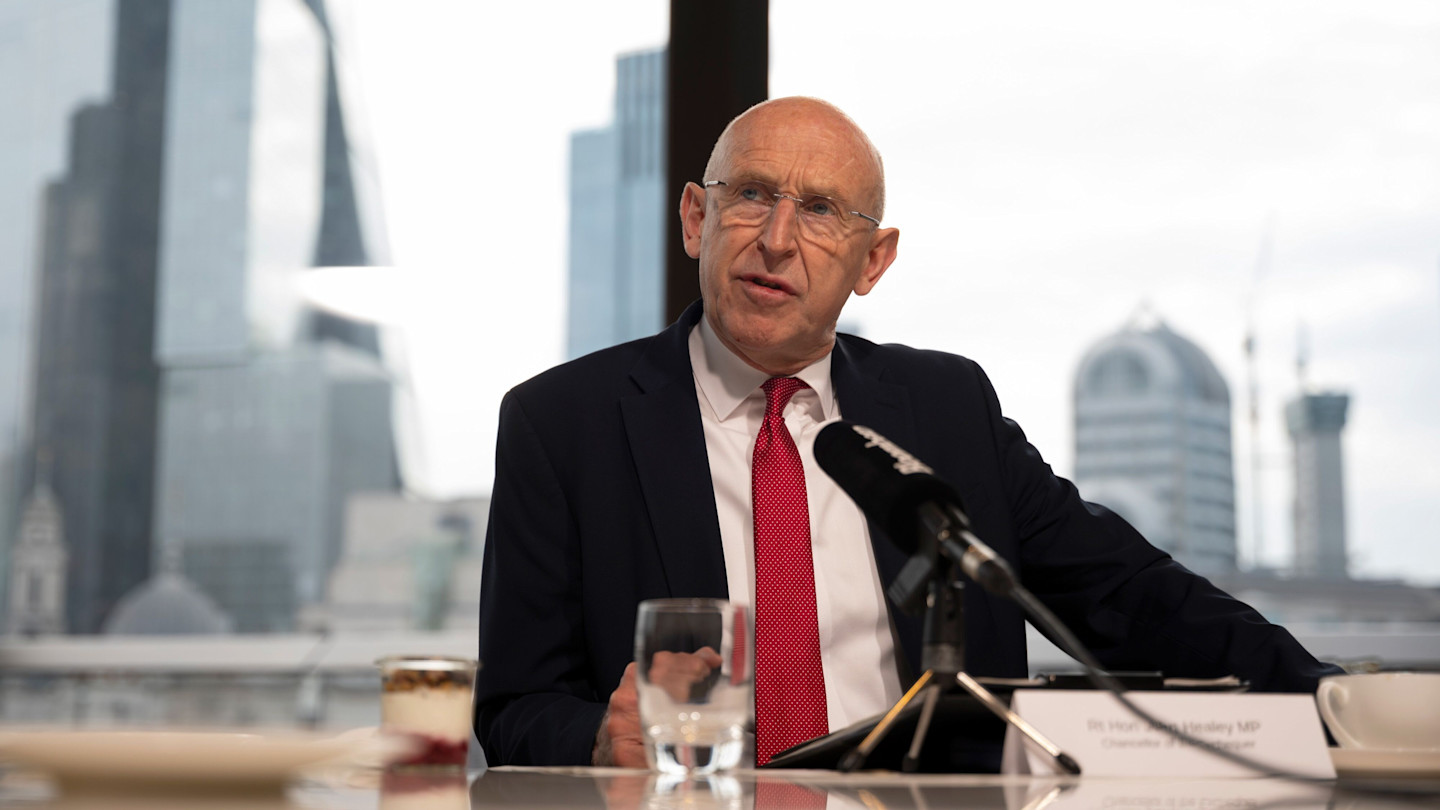
UK chancellor John Healey has told the country’s largest lenders he is facing a “challenging fiscal picture” but stopped short of providing guidance on whether he will hit banks with higher taxes in the Budget later this month.
British bank bosses seized on what was likely to be their last meeting with Healey ahead of the Budget to make their case against a tax raid on the sector, according to people familiar with the discussions on Tuesday morning.
The executives — including from Barclays, HSBC, Lloyds, NatWest, Nationwide and Santander — argued that increases to bank taxes would harm the government’s growth agenda and create greater disparity between London and rival financial centres such as New York, the people added.
Healey told those at the gathering inside 11 Downing Street that the government was facing “a difficult fiscal picture” but had made no decisions on taxes yet, they said.
He is under mounting pressure to find revenue to fill a fiscal hole caused by rising borrowing costs and new spending pressures, such as defence. This is forcing the Treasury to consider a range of tax rises, including a windfall levy on bank profits.
The chancellor opened the meeting by outlining his Budget priorities “to give families and businesses a bit of breathing space, back British jobs, and drive growth in every postcode” while maintaining fiscal discipline. Lucy Rigby, the economic secretary to the Treasury, ran most of the meeting, according to people familiar with the discussions.
There was a wide-ranging discussion on plans to boost lending to the real economy, lower capital requirements for banks and create an environment for the UK to remain competitive.
Chief executives at some of the UK’s largest lenders pointed out that they had a number of international shareholders who were concerned about the tax regime for British lenders, said one person briefed on the conversations. They also argued that higher taxes on domestic banks would be “self-defeating” for the government because it would raise the cost of capital and reduce lending.
One person familiar with the discussions said Georges Elhedery, chief executive of HSBC, reminded the chancellor that his bank had in recent years had an activist investor, to demonstrate the pressure that international investors can put on banks. In 2022 Ping An, one of HSBC’s largest shareholders, argued the bank should split in two between eastern and western operations.
Concerns have grown that the chancellor could increase taxes on domestic banks while the British outposts of overseas lenders escape a tax raid.
Jamie Dimon, chief executive of JPMorgan Chase and a critic of the UK’s bank tax regime, said on Tuesday that he was “not in favour of things that lack principle”.
He argued that tax policy should be consistent between UK-headquartered banks and the British operations of overseas lenders. “It’s easy to say charge my friends over here, I think that’s wrong,” he told Bloomberg.
A spokesperson for the Treasury declined to comment on “speculation, rumour and proposals”, adding that Healey regularly met sectors from across the economy, including the financial services sector.
Banks have for weeks been lobbying the government to spare them in the Budget, arguing that a higher levy or windfall tax would send the wrong signal about growth and their competitiveness.
But behind closed doors they have acknowledged that they are fighting an “uphill” battle after another year of record profits for the sector.
“We’re obviously speaking against it, but it’s just tough to argue against it. It’s tough to argue against it when we are all making so much money,” said one senior executive. “It’s just politically such an easy place to go take it from.”
Britain’s biggest four banks posted a combined £29bn of pre-tax profits in the first half of this year.
“The industry is as strong as ever so it’s hard to say that it’s going to be a killer,” said one senior executive. Another described it as unlikely the impact would be “material for anyone” but that it would be “irritating as hell if it happens”.
Treasury insiders said the bank executives welcomed Healey’s recent statements on the need for fiscal discipline. The chancellor was in “listening mode” and welcomed the commitments made by the banks to help deliver the government’s promise of “growth in every postcode”. According to one attendee at the meeting, Healey said there was “nothing progressive about losing control of the public finances”.