This article is an on-site version of our Moral Money newsletter. Premium subscribers can sign up here to get the newsletter delivered twice a week. Standard subscribers can upgrade to Premium here, or explore all FT newsletters.
Visit our Moral Money hub for all the latest ESG news, opinion and analysis from around the FT
Welcome back.
This month marks the centenary of Ernest Hemingway’s The Sun Also Rises, in which a character explains how he went bankrupt with the immortal phrase: “Gradually, then suddenly.”
Will the market response to climate change follow the same dynamic? And can better corporate reporting help avoid that danger?
Tackling the corporate climate data deficit
In late September 2016, Mark Carney took to a Berlin stage to warn of the risk of “a climate Minsky moment”.
The then Bank of England governor was alluding to the work of economist Hyman Minsky, who described how long periods of calm in the financial markets could set the stage for roiling panic. The gradual but severe progress of global warming — and the dramatic changes needed to tackle it — threatened to produce just such an outcome, Carney warned.
A crucial part of the solution, he added, would be more comprehensive and standardised disclosures by companies of the risks they faced around climate change and the energy transition. That, he said, would “help smooth price adjustments as opinions change, rather than concentrating them at a single climate Minsky moment”.
A decade on, progress on that agenda has been decidedly mixed — with some notable recent setbacks. Last week, UK authorities announced that listed companies would be allowed to take a “comply or explain” approach to new climate reporting rules that they had previously said would be mandatory. That came a few months after a similar announcement from Brazil.
In May, the US Securities and Exchange Commission formally proposed the scrapping of “overly burdensome and costly” climate disclosure rules introduced under the Biden administration.
Even the EU, long seen as the trailblazer for this area of regulation, this year dramatically reduced the scope of its sustainability reporting rules. These will now apply only to businesses with more than 1,000 employees and over €450mn in annual revenue — a change that’s reduced by roughly 85 per cent the number of companies required to report.
Yet global momentum in this area remains strong, insists Emmanuel Faber, head of the International Sustainability Standards Board. The ISSB was set up under the IFRS Foundation in November 2021 to create a single set of standards that companies around the world could use to report on environmental and social risks and opportunities.
Governments in 48 jurisdictions have now committed to use or align with the ISSB framework — a figure that is likely to rise to 50 by the end of this year, Faber says, with “frankly, incredible traction in Asia”. Notably, China has said it will introduce a mandatory reporting regime aligned with the ISSB standards, though many of the details remain unclear. South Korea in July expanded the scope of its sustainability reporting rules, citing this year’s turmoil in fossil fuel markets as a major factor.
And while the EU has decided to stick with its own sustainability reporting standards, it’s been collaborating with the ISSB to minimise friction between the two systems, Faber notes.
But whatever their regulators are up to, companies are facing growing pressure from investors for climate-related information beyond what the law requires them to share, says Tamara Tisminetzky, director of research at Sustainable Fitch. “Investors are not only asking for this kind of transparency, but they’re getting used to having it,” she says.
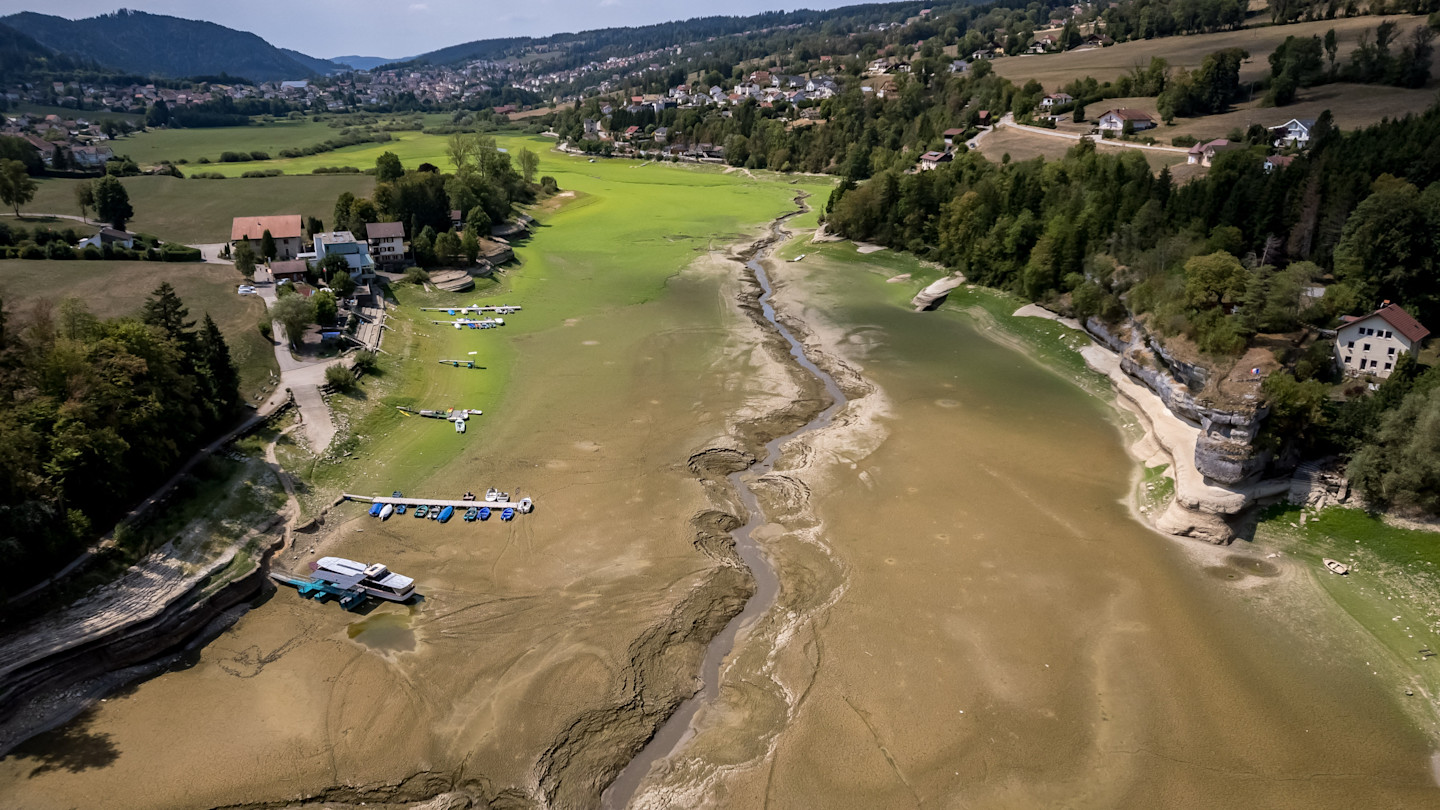
Investor appetite for this kind of data is set to keep rising as climate-related risks get harder to ignore. See, for example, this summer’s extreme heatwaves in Europe, which cost $128bn in lost output according to insurer Allianz, with companies from steelmaker Thyssenkrupp to chocolatier Lindt reporting business disruption and sales hits. Meanwhile, the continent’s big carmakers are providing a prime case study of “transition risk” as they struggle to cope with the rise of Chinese electric cars: shares in Volkswagen and Stellantis are down 62 and 74 per cent, respectively, in the past five years.
All this will create opportunities for companies that can help investors to make sense of the climate risks that companies are disclosing — and those they’re not. A flurry of deals this year highlights the growing interest in these businesses from some well-known financial sector names.
In June, the major European private equity firm Permira announced the buyout of the new for-profit business of CDP, which runs the biggest system of its kind collecting environmental information from thousands of global companies. In the same month, MSCI announced the $120mn takeover of climate-risk analytics firm First Street. Earlier in the year a joint venture between BlackRock and Temasek led a $100mn funding round into German sustainability software provider Osapiens, valuing it at more than $1bn. And last month proxy advisory firm Glass Lewis merged with sustainability analytics firm Clarity AI to build a bigger presence in the space.
There’s no question that, overall, the depth and breadth of climate-related corporate data has improved significantly since Carney’s 2016 speech. Technology advances, including in AI and satellite monitoring, promise to boost it further.
But the fundamental problem of incomplete, fragmented information that Carney identified remains — as does the risk of a climate Minsky moment. And even if a comprehensive, globally uniform reporting system were to be achieved, it would be no substitute for more ambitious policies to tackle the economic and financial risks of climate change, such as expanded carbon pricing.
Disclosure regulation can play an important role in pushing corporate leaders “to think about important issues systematically”, says Ben Caldecott, director of the sustainable finance programme at Oxford university. “But let’s put it in perspective . . . it won’t produce the big, major changes required.”
Smart reads
African governments have launched a new credit rating provider·, to challenge the global agencies that they believe have given unfairly harsh ratings for African issuers.
The EU is moving to weaken its rules on pesticides, after successful lobbying from chemical and agricultural companies.
California will soon vote on whether to introduce a wealth tax on its 246 billionaires. The result could change the US, writes Edward Luce.