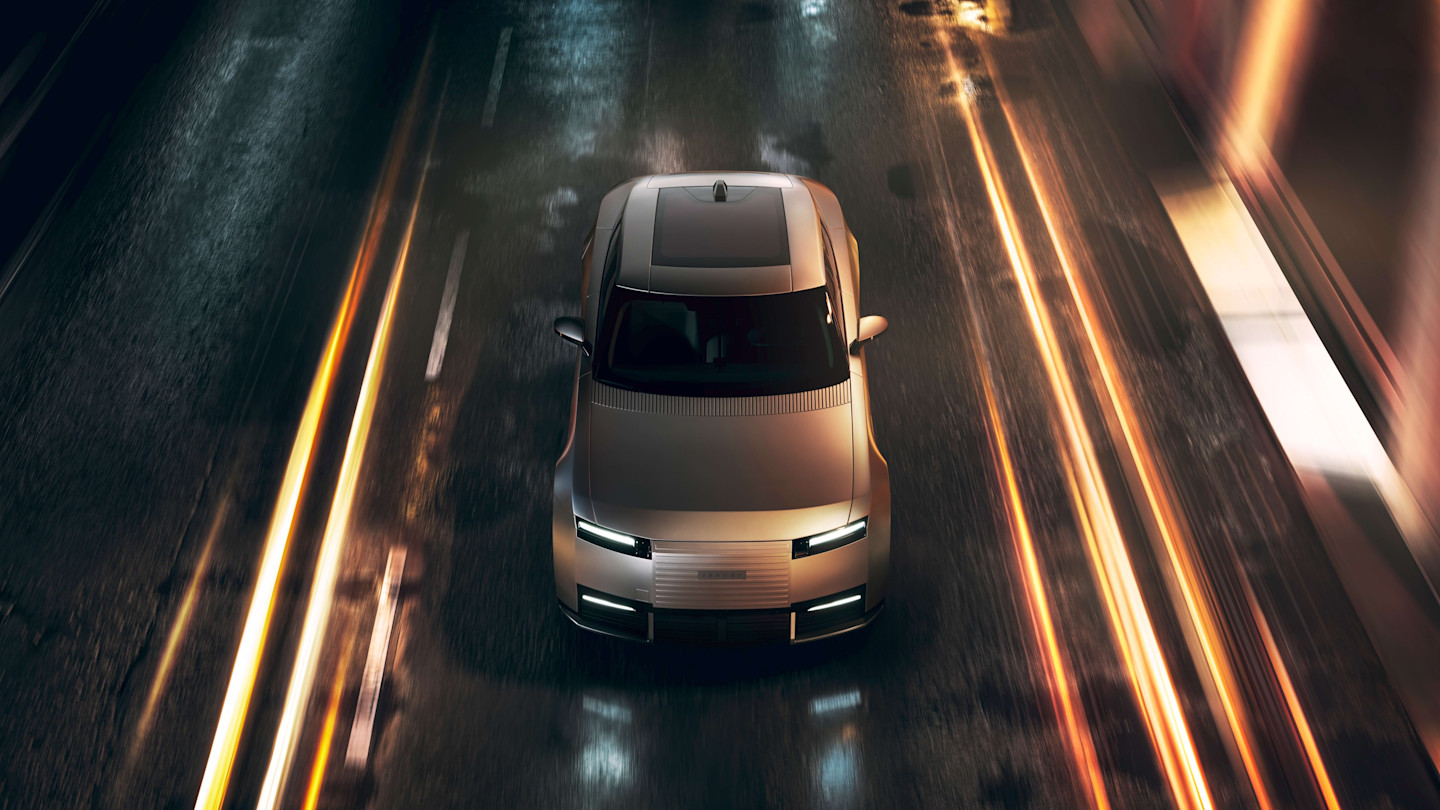
Jaguar is entering the luxury electric vehicle market with a £130,000 model that “stands out” for its bold design and size, as the revamped marque warned that EVs will become “a commodity” if they all look similar.
The EV launch comes almost two years after Jaguar released a 30-second ad with no cars, instead featuring models dressed in brightly coloured outfits. The rebranding exercise was excoriated on social media with some car enthusiasts and activists accusing the 91-year-old brand of “going woke” and “throwing away heritage”.
In an interview, Rawdon Glover, Jaguar’s managing director, said one lesson from the social media backlash was that its new model could not “just be about change”. While the Jaguar Type 00 prototype was in bold pink, the new Jaguar Type 01 comes in more muted colours such as silver and blue.
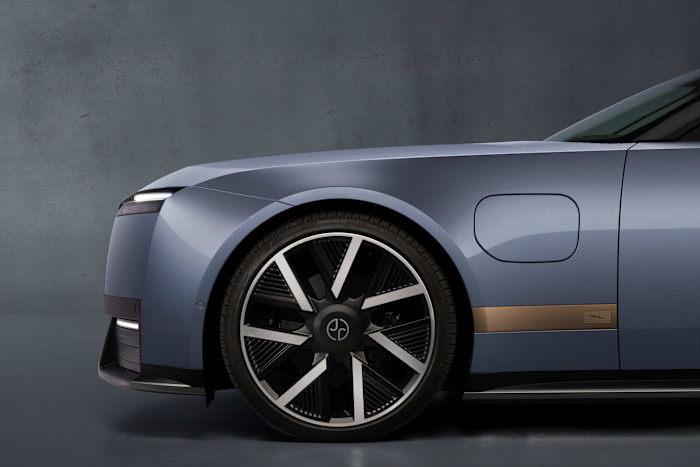
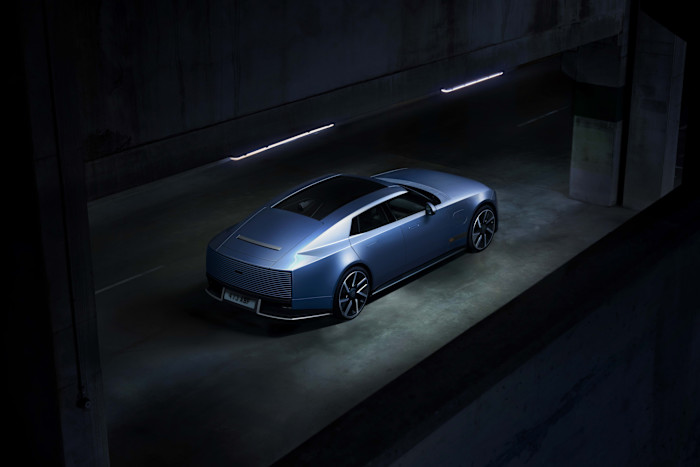
Still, the all-electric model, with a range of up to 450 miles, remains a departure from its historic design ethos. At 5.2 metres, the four-door grand tourer is enormous with 23-inch wheels, a low roofline and a long bonnet. The “leaper” — its leaping-jaguar emblem — is no longer on the front and is now laser-etched at the side of the vehicle.
With a starting price of £130,000 in the UK and $130,000 in the US, the EV will be double the price of its previous comparable models — a deliberate attempt to push further into the premium segment following more than a decade of flagging sales.
“We need to put Jaguar back on a firm footing,” Glover said, adding that it will aim to become “commercially relevant” by selling fewer cars at higher prices.
Jaguar Land Rover, which is owned by India’s Tata Motors, will target younger and more urban customers who want to “stand out”. “You don’t buy a 5.2-metre four-door GT that looks like that if you don’t want to make a dramatic entrance,” Glover added.
If all new EVs complied with “current archetypes”, such as short bonnets and skinny wheels, Glover cautioned, “they start to look homogenous and it becomes a commodity”.
Ferrari and Bentley have also launched their first electric models this year, but Jaguar is the only marque to go fully electric at a time when petrol vehicles continue to generate higher margins and attract loyalists who prefer the roaring noise of the internal combustion engine.
Range Rover’s first electric SUV also appeared in September at a starting price of £154,070.
While JLR is planning several more EV launches in addition to the new Jaguar, the group has also readjusted some of its earlier ambitions and is converting its EV platform to enable the manufacturing of hybrid models.
The strategic recalibration has come as chief executive PB Balaji looks to generate more sales in the US, where EV sales have collapsed since President Donald Trump ended a $7,500 tax credit for EV purchases last year.
JLR, which is cutting nearly 10 per cent of its global workforce, has faced intense competition from Chery and other Chinese manufacturers who are rapidly making inroads into the UK and European markets.
In September, Chery, together with its Jaecoo and Omoda brands, took a combined 9 per cent share of the new car sales market in the UK. Its Jaecoo 7 model, dubbed by some as the “Temu Range Rover”, was the country’s best-selling model, according to the Society of Motor Manufacturers and Traders.
Some analysts have questioned whether Jaguar’s makeover will succeed, even as Ferrari has achieved this year’s sales target for its new EV despite the initial outcry over the Sir Jony Ive-designed model.
“In the US, there was such a backlash from the more rightwing elements of our population — I think less because of the design itself, but because of . . . the perception of ‘wokeness’, which seemed to put a lot of people off,” said Ed Kim, chief analyst at AutoPacific, an automotive market research group.
“That’s despite Jaguar’s core concept actually being less of a departure from its traditional form factor than the Luce was for Ferrari,” he added.
Additional reporting by Christian Davies in New York