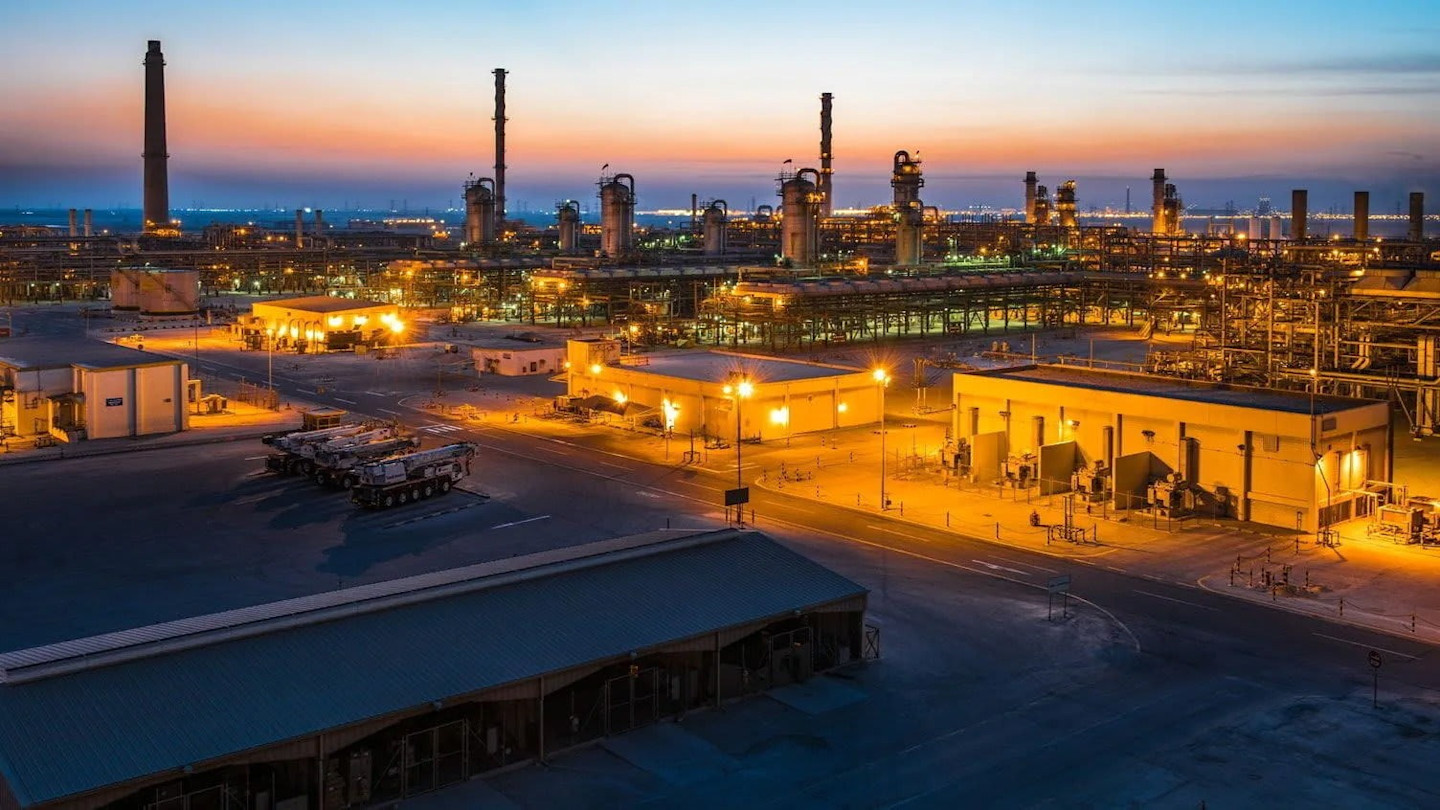
When Saudi Aramco began developing the giant Jafurah field in 2020, it raised the prospect of the country becoming a natural gas exporter for the first time.
Despite its dominant role in the oil trade, the kingdom was not selling any gas overseas while domestic demand was outstripping supply. The $100bn Jafurah project would transform the Saudi gas industry on both fronts.
But six years on, Aramco is still grappling with what to do with all the gas it will produce.
The state-run company is also balancing competing priorities, as it seeks to maximise the value of its operations to finance both its own expansion plans and the kingdom’s ambitious economic agenda, just as the war in the Middle East roils global energy markets.
Jafurah began producing last year, with phase two of the project expected to start by 2030. Aramco has said its gas production will rise by about 80 per cent from 2021 to the end of the decade.
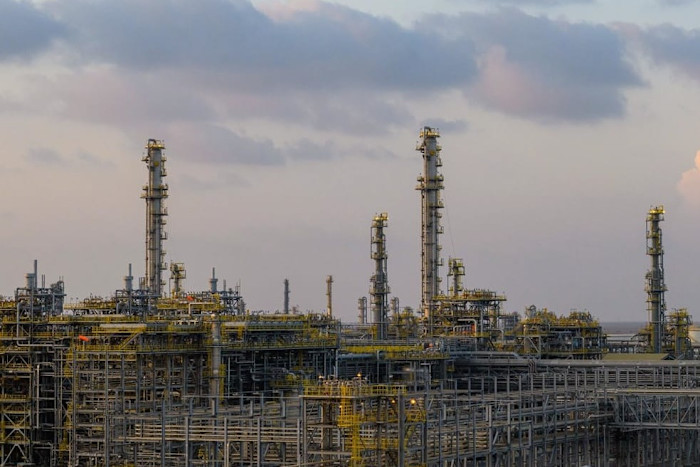
Much of the gas has a ready market at home. Saudi Arabia is in the process of switching its fossil-fuel power plants to gas, allowing it to export more of the oil it produces and bank the revenues.
Wood Mackenzie has estimated that Saudi Arabia’s annual production of 180bn cubic metres of gas could leave as much as 50bn cubic metres a year spare after the country’s own needs are met.
Saudi Arabia’s push into AI and data centres should absorb some of that surplus, but significant volumes are set to become available in the years ahead.
Neivan Boroujerdi, a Dubai-based director of corporate research at Wood Mackenzie, said it was likely that Aramco would need to find foreign buyers for its product.
“If they get close to their production target, they’re going to need some other sources of demand,” he said. “If that doesn’t materialise domestically, then they will have excess gas available for exports.”
One option would be for Saudi Arabia to set itself up as a liquefied natural gas exporter, potentially rivalling the likes of the United Arab Emirates and Oman, although that would require Aramco to build liquefaction facilities.
Plans to build an LNG export terminal that would use gas from phase two of Jafurah were presented last year but sidelined, at least for now, according to one Aramco employee, who added that Riyadh wanted to focus on meeting its domestic needs first.
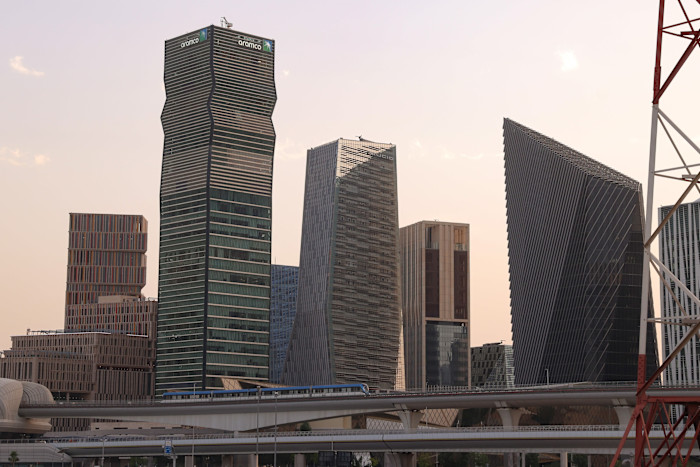
A decision by Aramco to export gas would have a huge impact on the industry. The company is already looking for new ways to finance its expansion and extract more value from the assets it already owns. One option is to reshape the gas business itself.
Aramco is preparing to carve out the business into a separate company that may eventually be listed, an initiative dubbed “Project Gamma”, people familiar with the group’s thinking said.
This would mark a departure from the country’s recent focus on selling stakes in its businesses to private investors. In 2021, it ringfenced its oil pipeline assets and sold a 49 per cent stake to a group of investors including EIG and Mubadala. The following year it completed a lease-and-leaseback deal for its gas pipelines.
Aramco is also seeking to extract greater value from its other assets including real estate, power, water and oil storage, according to people familiar with the company, as it seeks to monetise businesses outside its core crude production and processing operations.
“The overarching theme is optimising capital,” said an adviser who has worked for Aramco in the past.
Aramco’s push to make the most of its balance sheet has continued despite the soaring crude prices from the US and Israeli war against Iran that have delivered bumper profits, even as Saudi Arabia has been among those hardest hit by the conflict.
“Aramco doesn’t need the money, the Saudis need the money,” said the adviser.
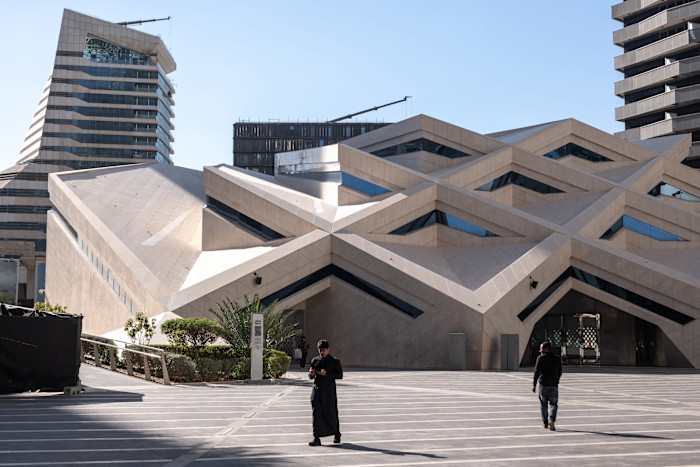
Riyadh’s ambitious programme to diversify its economy and attract investment into non-hydrocarbon industries has seen it announce significant investments in a range of sectors, from tourism mega-projects to aviation hubs and AI.
“The kingdom is making a strategic move in a direction that supplements oil and gas with other technologies,” said Sadad Al Husseini, an independent consultant and former Aramco executive. This requires Aramco “to do more things with what they have”, he added.
Some industry watchers question whether Aramco can really list its gas business. Aramco’s international LNG assets will not be included in any new company, according to two people with knowledge of its plans, and without real plans to build LNG plants, there is little rationale for an IPO, they added.
Aramco’s domestic business, with gas sold at government-set fixed prices, also produces stable returns, which may be better suited to the lease-and-leaseback model it has used before, according to people close to the company.
Launching an IPO while the kingdom’s energy facilities face the threat of further attack from Iran would be tricky. The full potential of Jafurah has also yet to be established, said one employee.
Aramco declined to comment on its gas plans.
However, the pressure to extract value from its gas operation means the idea will not disappear completely.
“Aramco is expected to maintain oil capacity and export resilience, accelerate gas growth, build an international LNG position and support Saudi Arabia’s wider economic and energy objectives,” said Boroujerdi.
“Meeting all of those goals while funding a growing dividend is becoming increasingly challenging against this backdrop of so much volatility.”