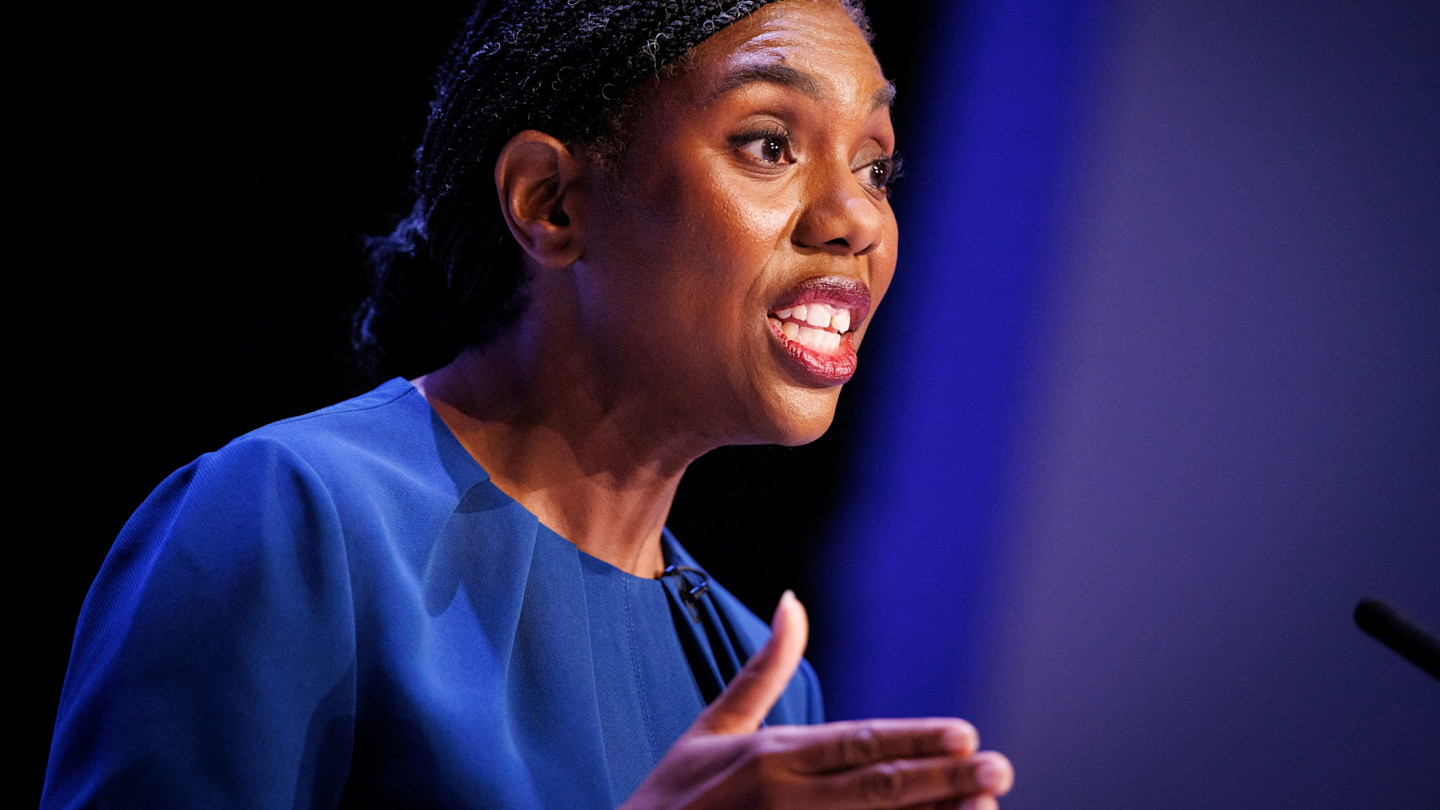
Conservative leader Kemi Badenoch on Wednesday promised to scrap inheritance tax on family homes if her party wins the next general election, a move she said would drive down the number of families paying the tax by more than half.
What is the policy?
IHT at present is paid at a rate of 40 per cent by those whose estates are worth more than £325,000, a threshold implemented in 2009 that has been frozen until 2031.
Badenoch has said she will raise this threshold to £500,000 per person·, allowing couples to pass on a total of £1mn in assets tax-free.
Under the existing rules, there is an extra £175,000 allowance for residential property that is passed on to children or grandchildren, for estates worth less than £2mn. But the Tory leader’s proposal would allow a “family home” to be passed on to direct descendants free of inheritance tax regardless of its value.
Conservative Party officials said inheritance tax was “Britain’s most hated tax” and framed Badenoch’s plan as an attempt to “protect families who work hard and save”.
One in 21 UK deaths resulted in an inheritance tax charge in the 2023-2024 tax year, according to HM Revenue & Customs.
But the annual liabilities attributed to the levy have risen from £2.4bn in 2009-2010 to £7bn in 2023-2024. HMRC attributed the rise to “continued rises in asset values” and the freeze in thresholds.
IHT receipts are forecast to rise to £15bn by 2030-2031, hitting one in 11 estates, according to the Office for Budget Responsibility’s latest estimates. However, these figures depend on asset prices in coming years.
Tory party officials said the policy would cost £6bn a year in 2029-2030, roughly halving the tax take from IHT, citing modelling by Oxford Economics published on Wednesday. The party says it would fund this by cutting government spending, including on welfare.
Why are they doing it?
When it was first introduced, IHT caught only the wealthiest of estates in the UK. While it continues to be a relatively small proportion of estates that pay the levy, threshold freezes mean that an increasing number are finding themselves having to establish whether IHT is due.
Badenoch said IHT was designed to capture only the “super wealthy” but had become a tax on “ordinary middle-class families in every corner of our country” — because the wealthiest had found ways to avoid it.
The Conservative leader expressed an ambition on Wednesday to abolish IHT altogether.
The IFS estimated in 2023 that the wealthiest estates, worth £2.1mn or more, would get about half the benefit from such a move.
What do analysts make of it?
Economists say that abolishing IHT on family homes would have distortive effects on the housing market and encourage the wealthy to buy and stay in expensive homes as a way of passing on their wealth free of tax.
The biggest beneficiaries of the move would be those with the most valuable homes, “a very well-off group, mainly living in London and the South East of England”, according to Stuart Adam, senior economist at the IFS.
Arun Advani, director of the Centre for the Analysis of Taxation, said such a switch would have a knock-on impact on graduates in cities, driving down housing supply and putting the prospect of owning a home even further out of reach.
“If I am 75 and I live in a big house in London, there is no way in hell I am going to leave this house now,” he said. “I can pass it on tax-free.”
He said a simpler proposal that would avoid such distortions would be to reduce the headline rate of the levy or increase the threshold at which estates start paying.