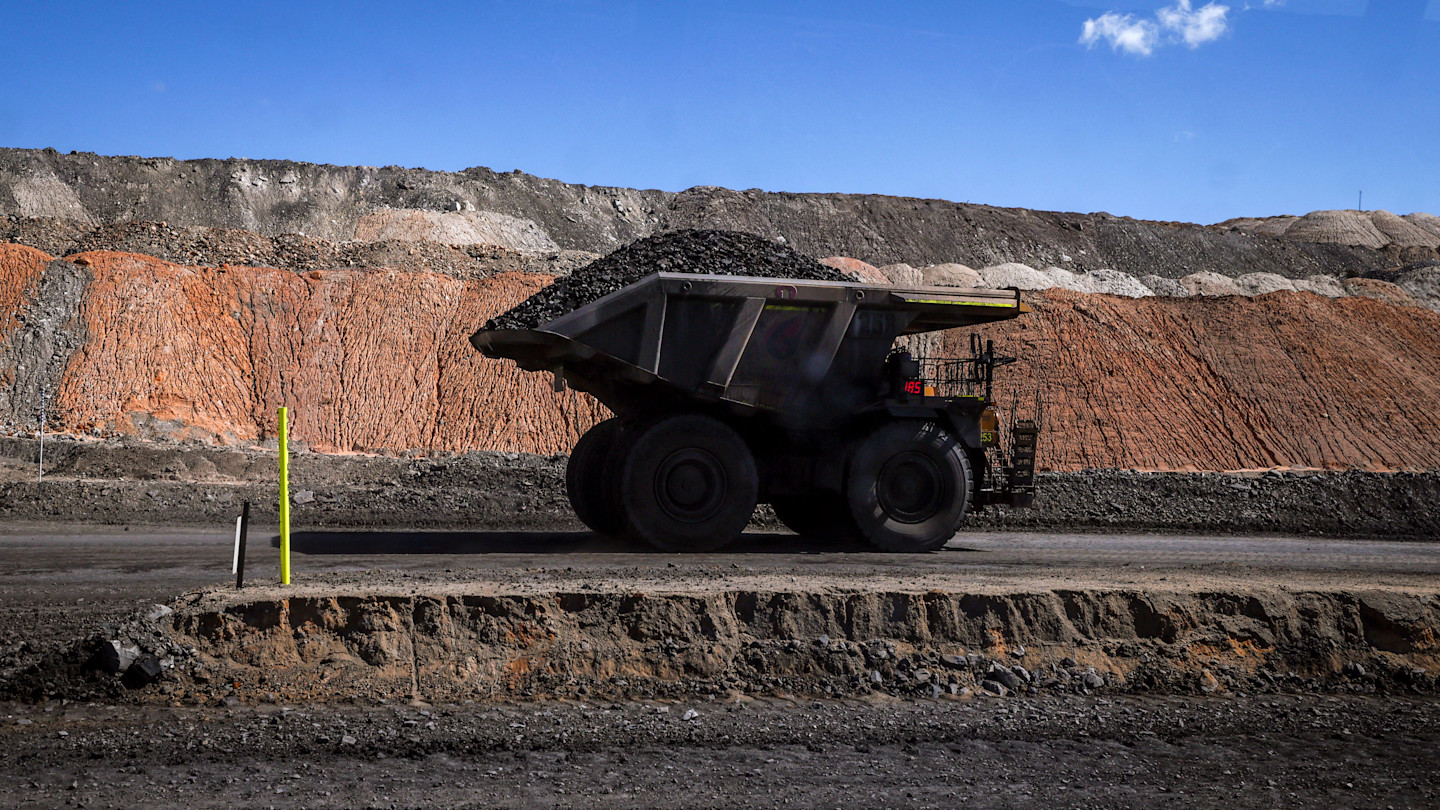
An Australian High Court ruling blocking the expansion of a coal mine has put the sector at risk, a trade body said, and could set a template for future cases.
The verdict in the top court on Wednesday found that local authorities should consider the climate effects of burning coal, not only as a result of producing it, when granting mining permits.
Tania Constable, chief executive of the Minerals Council of Australia, said the decision was a “blow” to the nation’s prospects of meeting global demand for coal and would be carefully reviewed by investors in other mining projects. The trade body’s membership includes coal producers Glencore and BHP.
The Australian ruling is the latest in a series of court cases to examine the relationship between global corporate producers of the fossil fuels behind greenhouse gas emissions and the inherently local impacts of climate change.
Wendy Wales, one of the retired science teachers who brought the case along with a community group, said the court had in effect agreed that Australian coal directly contributed to climate harms.
“We cannot dig up coal, ship it overseas, watch it drive climate change, and then pretend the consequences have nothing to do with us and won’t be felt by us,” she said. “The droughts, the bushfires, the floods are directly connected to greenhouse gases.”
The high court upheld a state court ruling that its independent planning commission should not have approved the expansion of Mach Energy’s Mount Pleasant coal mine in the state of New South Wales without considering how burning this coal would affect the region through extreme weather events.
The decision follows in the week after the planning commission gave an extension to another coal operation in the same state, creating controversy for the Australian government as it opened talks in the Pacific Islands in its role leading negotiations for the upcoming UN COP31 climate summit.
The High Court ruling directly affects 17 coal proposals in the planning pipeline in state of New South Wales.
Australia’s largest oil and gas company, Woodside, is also encountering opposition to a planned offshore gas project, despite community and regulator input, and said it would review the decision.
Mach Energy said that it would work with regulators, governments, local communities and other stakeholders to understand the “practical implications” of the decision.
The Mount Pleasant project represented around A$2bn in spending by investors in Indonesia and Japan, two of Australia’s trading partners, which would have almost doubled the amount of coal per year presently produced.
The International Energy Agency said in its mid-year update that it expected the conflict in the Middle East, which has driven surging oil and gas prices, to push global coal trade volumes higher this year.
Australia is the world’s largest exporter of metallurgical coal, with the IEA estimating its annual exports of thermal coal would increase slightly to 216mn tonnes this year.
The Australian High Court decision referred in a footnote to a 2024 ruling by the UK’s Supreme Court that local authorities should consider emissions from burning oil and gas when granting permits.
It also alluded to recent advisory opinions by international courts, including the International Court of Justice, that found states have a legal responsibility to curb climate change.
Earlier this week, the US Supreme Court heard arguments about whether a compensation case against ExxonMobil and other oil and gas producers could be dealt with in state court. The state of Colorado had demanded compensation for the damage and clean-up costs caused by local fires and drought.
“These cases at different levels are informing each other,” said Noah Walker-Crawford, a climate litigation specialist at the London School of Economics. “There is a judicial dialogue going on, and that is partly to do with climate change being a relatively new issue for courts.”

Where climate change meets business, markets and politics. Explore the FT’s coverage here.
Are you curious about the FT’s environmental sustainability commitments? Find out more about our science-based targets here