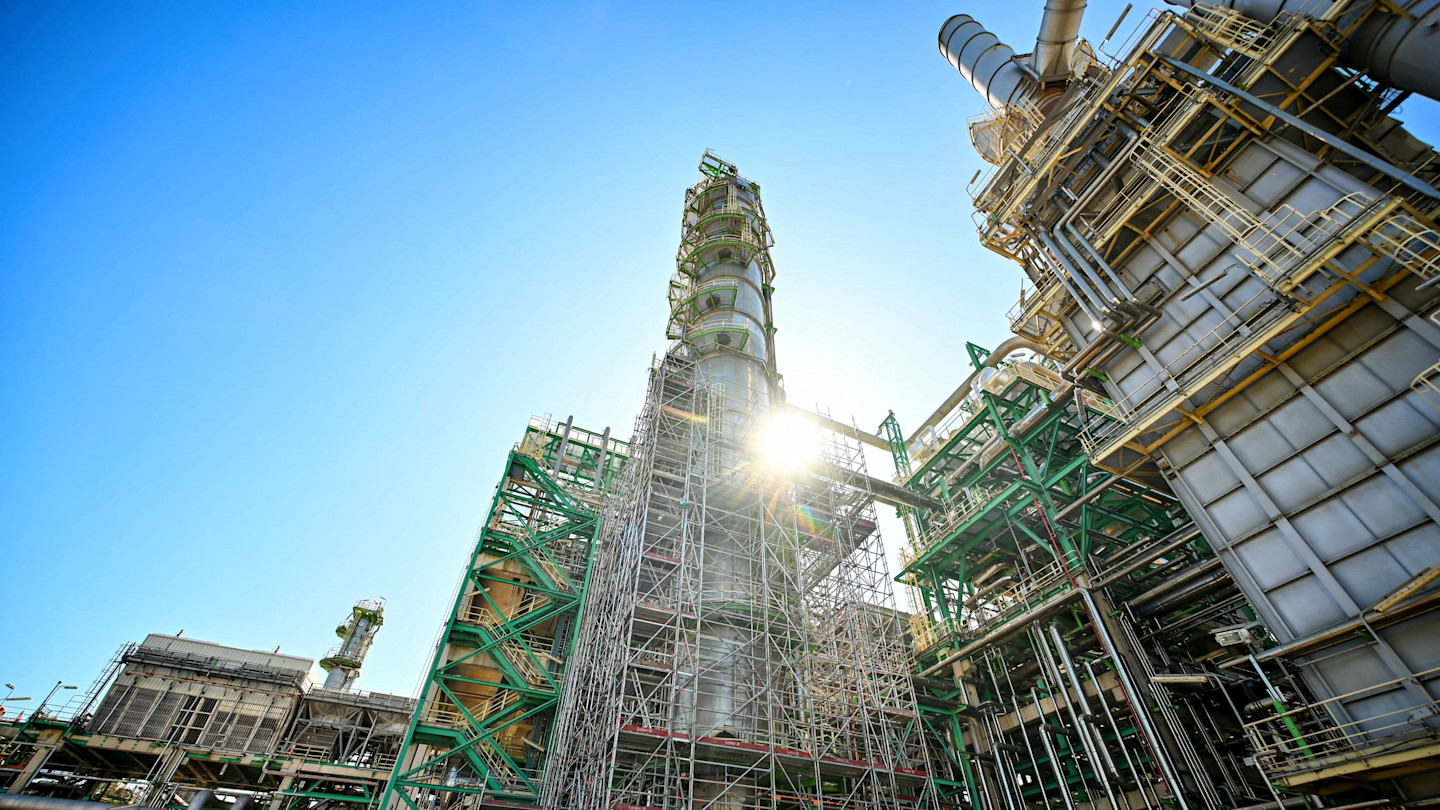
The world’s largest oil companies are looking past the chaos, destruction and lost production caused by the war in the Middle East as they target greater access to the region’s vast oil and gas reserves, a prize they have pursued for decades.
Executives from Shell, BP, TotalEnergies, ConocoPhillips and Chevron this week expressed their appetite for investing in the world’s most prolific oil-producing region, arguing that its plentiful, low-cost reserves outweighed the heightened risks.
The display of confidence is set to continue this weekend when many of the same executives travel to Riyadh at the invitation of Saudi energy minister Prince Abdulaziz bin Salman for the World Petroleum Congress, despite security concerns as Iran-backed Houthi rebels pursue a military campaign against the kingdom.
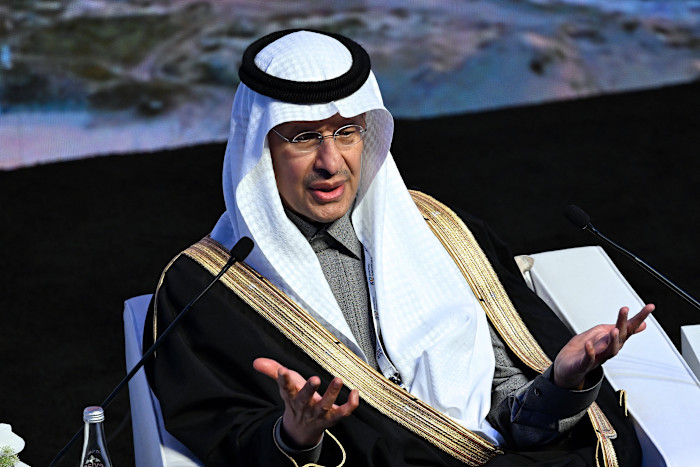
As well as reaffirming their ties to Gulf countries, some executives are cultivating relationships in the hope of grabbing new opportunities thrown up by the war, as Arab governments reassess global relationships and weigh the huge job of rebuilding facilities and investing in new infrastructure after the war has ended.
Patrick Pouyanné, chief executive of France’s TotalEnergies, the oil major with the largest Gulf footprint, said he dreamt “more than ever” of putting money into every country in the region, even if his company has to build more pipelines to export crude.
“For us as investors, I strongly believe the Middle East still has the cheapest oil,” he said. “We need this oil, but we need to unlock the Strait of Hormuz by developing alternative routes, and we will do it. We’ll do it in Abu Dhabi, in Iraq and in Syria. It’s part of our business.”
Other executives, speaking at the Energy Intelligence Forum in London, struck a similar note.
“I’m partly biased being Middle Eastern,” said Wael Sawan, the Lebanese-Canadian head of Shell, “but I fundamentally believe” that high-quality assets “stewarded by incredibly capable governments in the Middle East mean those resources will get to the market”.
Meg O’Neill, chief executive of BP, said the business, which began as the Anglo-Persian Oil Company, had a “history rooted in the Middle East”.
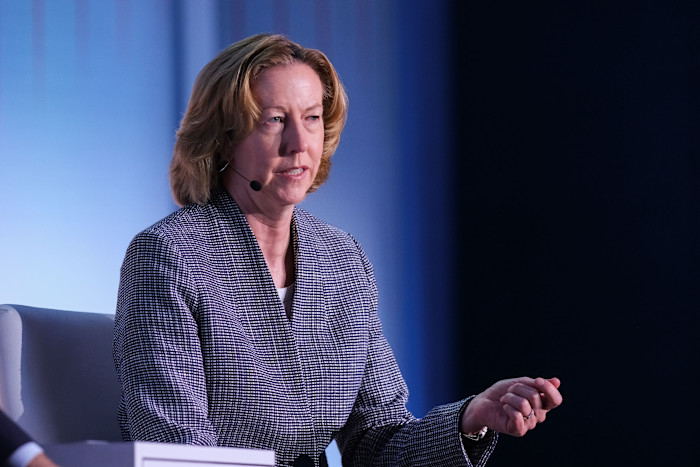
“We’re very proud of our long connections to a number of nations. Our hearts go out to the people who have been affected by the conflict. We all hope for a speedy resolution. So we have no intention of shying away,” she added.
The biggest prize would be greater access to Saudi Arabia and the United Arab Emirates, which possess some of the world’s largest and cheapest-to-produce hydrocarbon reserves.
Both have traditionally kept tight control of their most valuable fields through their national oil companies, limiting foreign participation or offering international companies relatively modest returns.
The conference was the first public speech by Saudi Aramco chief executive Amin Nasser since the US and Israel went to war with Iran in February, and an opportunity for him to meet leading oil bosses. Musabbeh Al Kaabi, head of upstream for Abu Dhabi’s national oil company Adnoc, was also in London for meetings.
“The fact is, the Middle East has 50 per cent of the globe’s oil reserves,” said Ashraf Al Ghazzawi, Aramco’s head of strategy. “We have the largest spare capacity, we have five decades of reserves, we are the lowest-cost producer.”
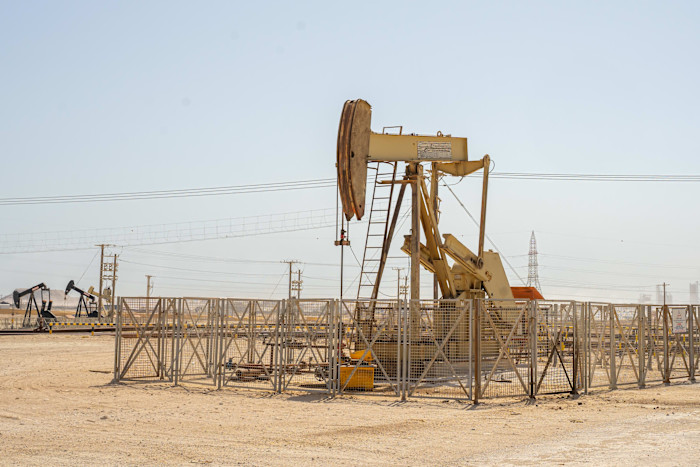
He said: “We have to look beyond the current crisis. Energy is a long-term business. You cannot diversify away from these facts.”
However, one executive at the event noted that while Gulf producers talked at length about their efforts to improve resilience, both Aramco and Adnoc had spent the past few years buying foreign assets. “When you look at what they’re doing, they’re diversifying more and more from their region,” the executive said.
Ryan Lance, executive chair of ConocoPhillips, which has recently partnered with BP in the Kirkuk oilfields in Iraq, noted how the region’s governments had begun to recognise that they needed to offer more attractive terms.
“We need a contract that accommodates the risk, the geopolitical risk that we have seen in the area,” he said. “But all that’s starting to come together, both from the international oil company side and the host government side. Iraq and Syria have done that, and others are starting to think about it.”
Referring to previous attempts by the US company to invest in the country, Lance said: “We looked for the last 25 years in Iraq, and it didn’t work.”
Mike Wirth, chief executive of Chevron, agreed the “economics look better today”, with the US major “months away” from signing a deal for Iraq’s West Qurna oilfield that was previously run by Russia’s Lukoil.
“Iraq is attractive,” he said. “The risks are still very real, but returns follow risk.”