In 2021, Gunia Project opened its first store in Kyiv. A few months later, Russia launched its invasion of Ukraine. In the four years since its founding, the fashion and design label had already become a standard-bearer for a new wave of Ukrainian craft, recasting the country’s folklore and traditional techniques across ceramics, clothing and jewellery. One of its designs had been chosen as a Ukrainian state gift for Pope Francis.
As 50,000 Russian troops advanced on the capital, founders Natalia Kamenska and Maria Gavryliuk fled west, leaving Gunia Project shuttered and a network of artisans without their commissions. But neither was prepared to abandon home permanently. “We developed this kind of resilience. We needed to take part in the fight,” says Gavryliuk. Their first response was to commission a collection of blue-and-yellow dove candles, which they sold to raise money for the Ukrainian army (they have since gone on to raise £100,000). At the earliest opportunity, the pair returned to Kyiv with a renewed determination to keep their country’s heritage alive.
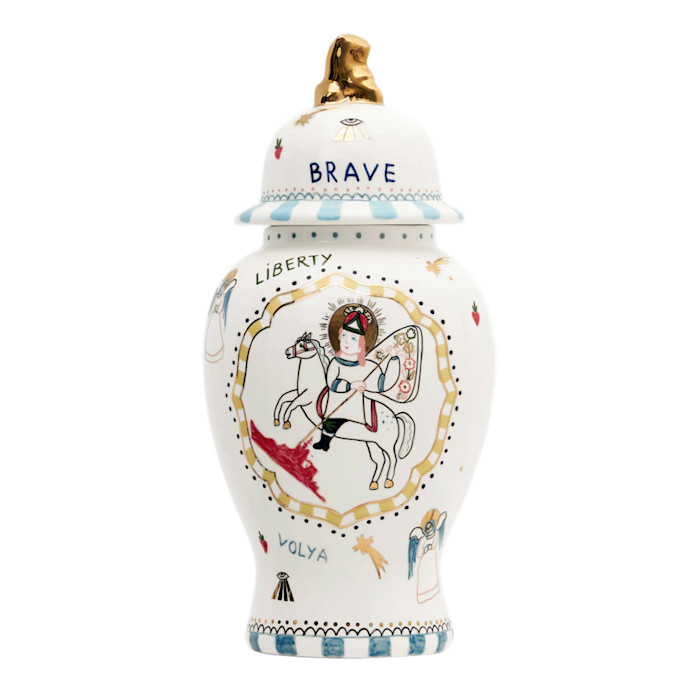
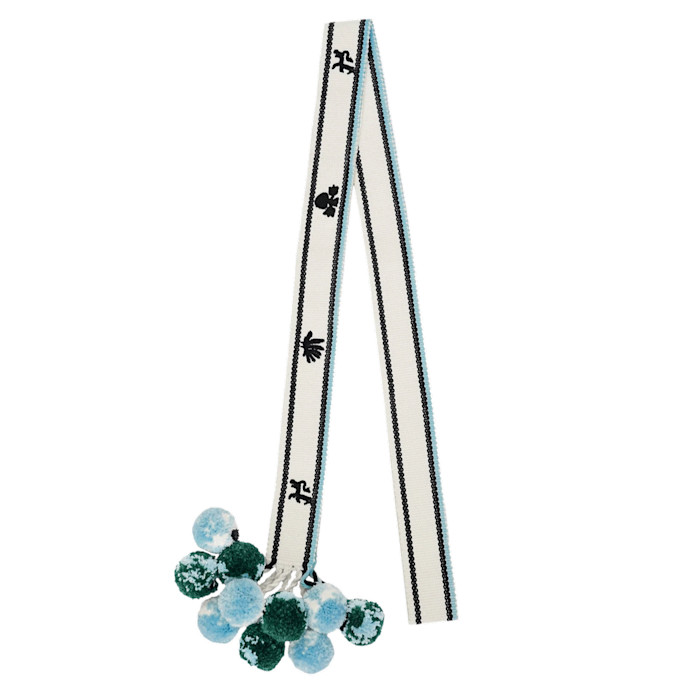
It was on a trip to the Carpathian Mountains in 2017 that Kamenska and Gavryliuk, both formerly of fashion label Lake Studio, first encountered the gunya, an ancient wool coat that became the first product of their new brand – and its name. At the time, folk craft carried little cultural currency. “Traditional craft and art wasn’t popular in Ukraine. It was seen as old-fashioned,” says Kamenska. “I wanted to design something new to promote our culture globally and at home,” adds Gavryliuk. “We wanted to create a platform that could manufacture artisanal objects, connect designers and offer artist residencies.”
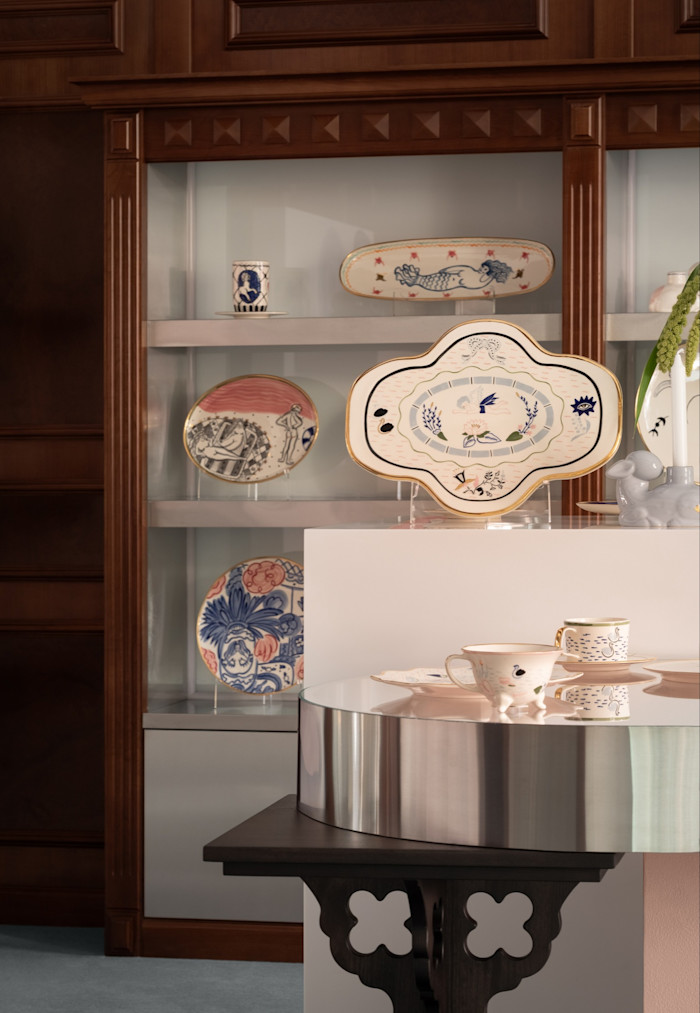
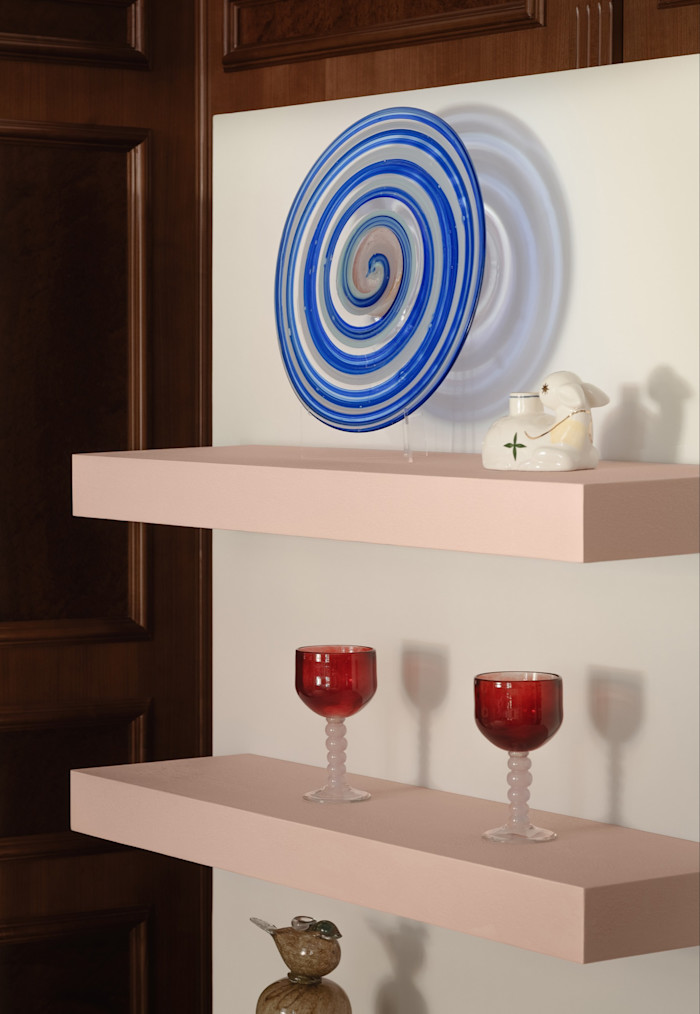
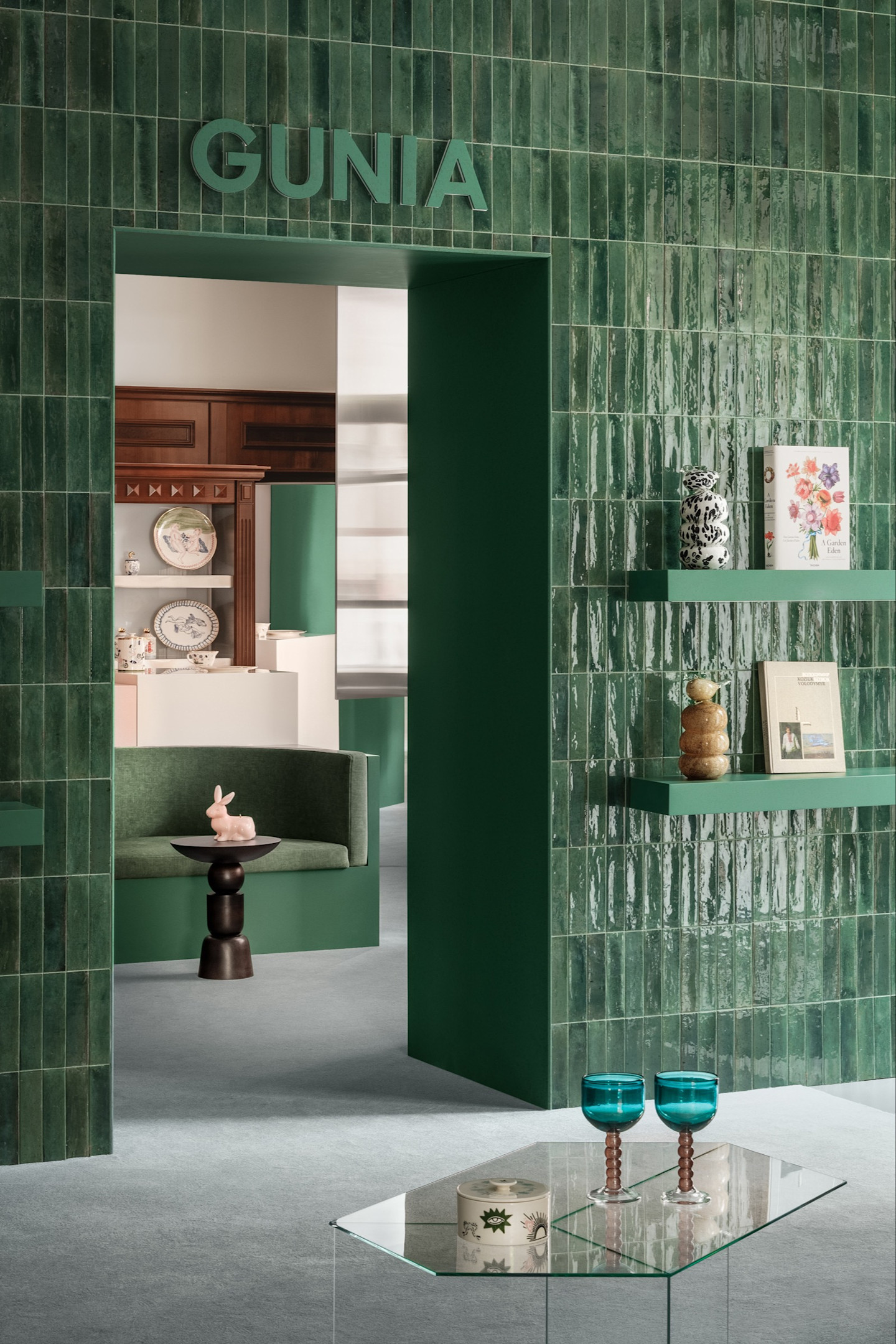
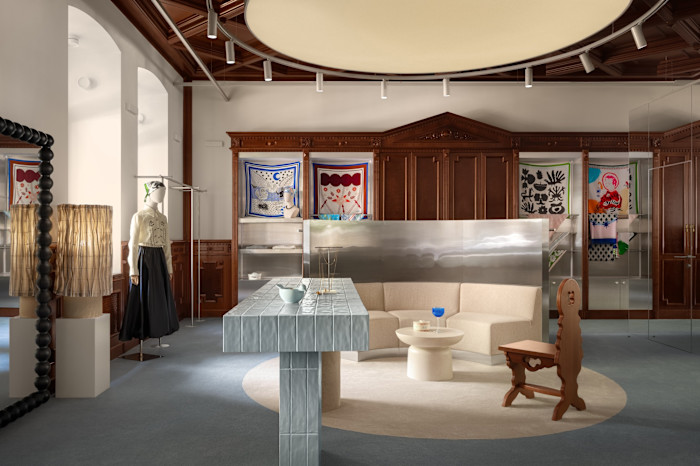
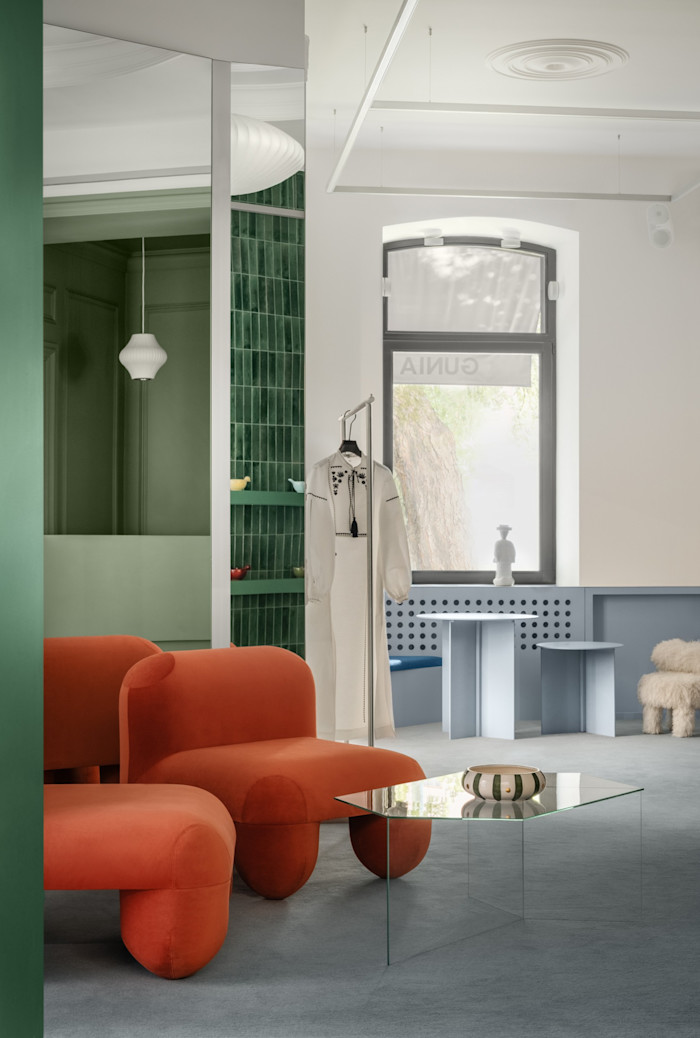
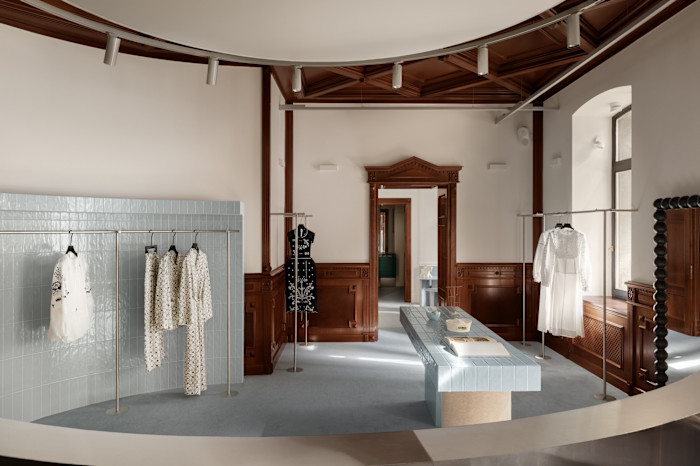
Gunia Project followed its first Kyiv store with an outpost in Lviv and a second in the capital, its flagship, which opened last year in a former embassy. Local designer Anastasiia Tempynska reimagined the building with hazy green tiles, dark timber and plump velvet sofas, intended to evoke tea in a garden or a quiet walk through a Ukrainian village. It’s part of a wider commitment to keeping all of Gunia’s design at home. “Why should we travel to another country to create something when we have such talented people here?” says Kamenska. The brand’s stock includes ceramics and the hand-painted doves, saints and flowers that have become signatures. Speckled candle holders (2,500 hryvnia, about £40) and goblets ribboned with colour (about £112) are made through guta glassblowing, a centuries-old Ukrainian practice. On the rails you’ll find traditional embroidery on the balloon sleeves of the Xena cotton shirt (about £510). The cashmere and wool Solomiia coat (about £755) takes 16 hours to weave by hand.
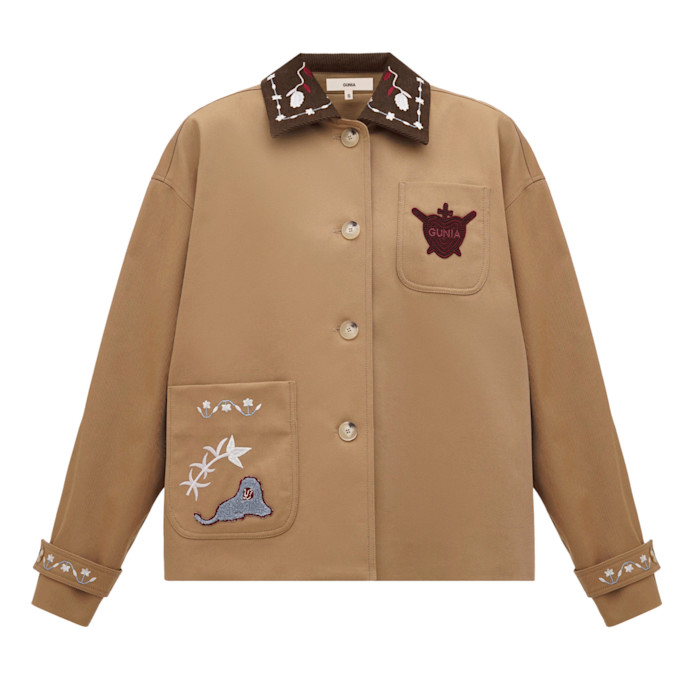
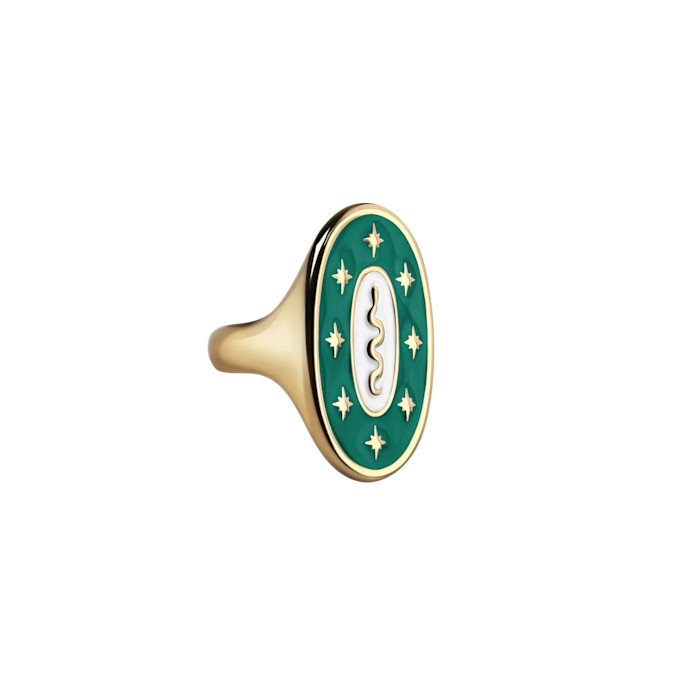
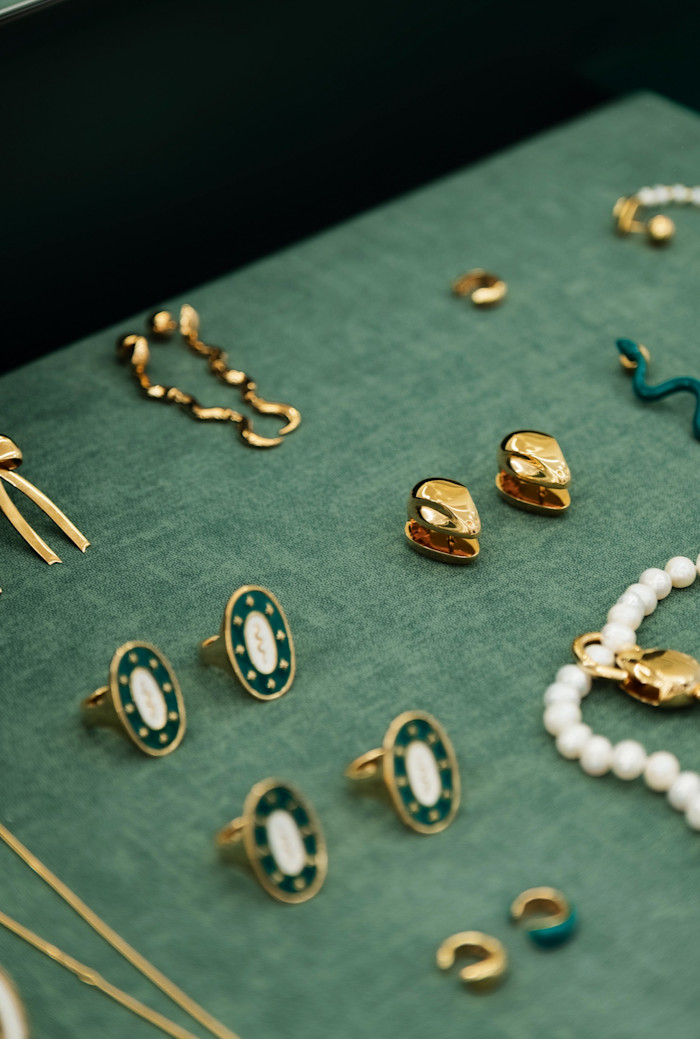
The brand now supports a network of more than 150 artisans across the country. Gunia Project puts old techniques to unfamiliar use: a dress inspired by traditional Ukrainian weaving called rushnyky (about £265) and Kosiv-style tile imprints on velvet vests (about £132). This rich visual language has recently been gathered for a new book tracing the history of Ukrainian folk art published by Assouline.
“We mix and match crafts to create something modern,” says Gavryliuk. “We take something from embroidered towels, ceramic tiles and paintings to create an object where all of this history connects.”
But making beautiful things in wartime comes with heavy considerations. “In Ukraine, you can’t predict anything,” says Gavryliuk. “You have to think about everything from generators to manufacturers – you can’t have it all in the same place because it could be bombed.” Gavryliuk is keen not to have this troubled period become the only lens through which Ukrainian culture is understood. “Ukraine is not a new country. It has its own history, traditions and visual language,” she says. “Gunia Project is about cultural preservation, not just nostalgia. It is agency and identity. It is our future, our country.” Above all, she says: “Ukraine should not just be recognised for war.”
Gunia Project, Zolotovoritska 2A, Kyiv; guniaproject.com