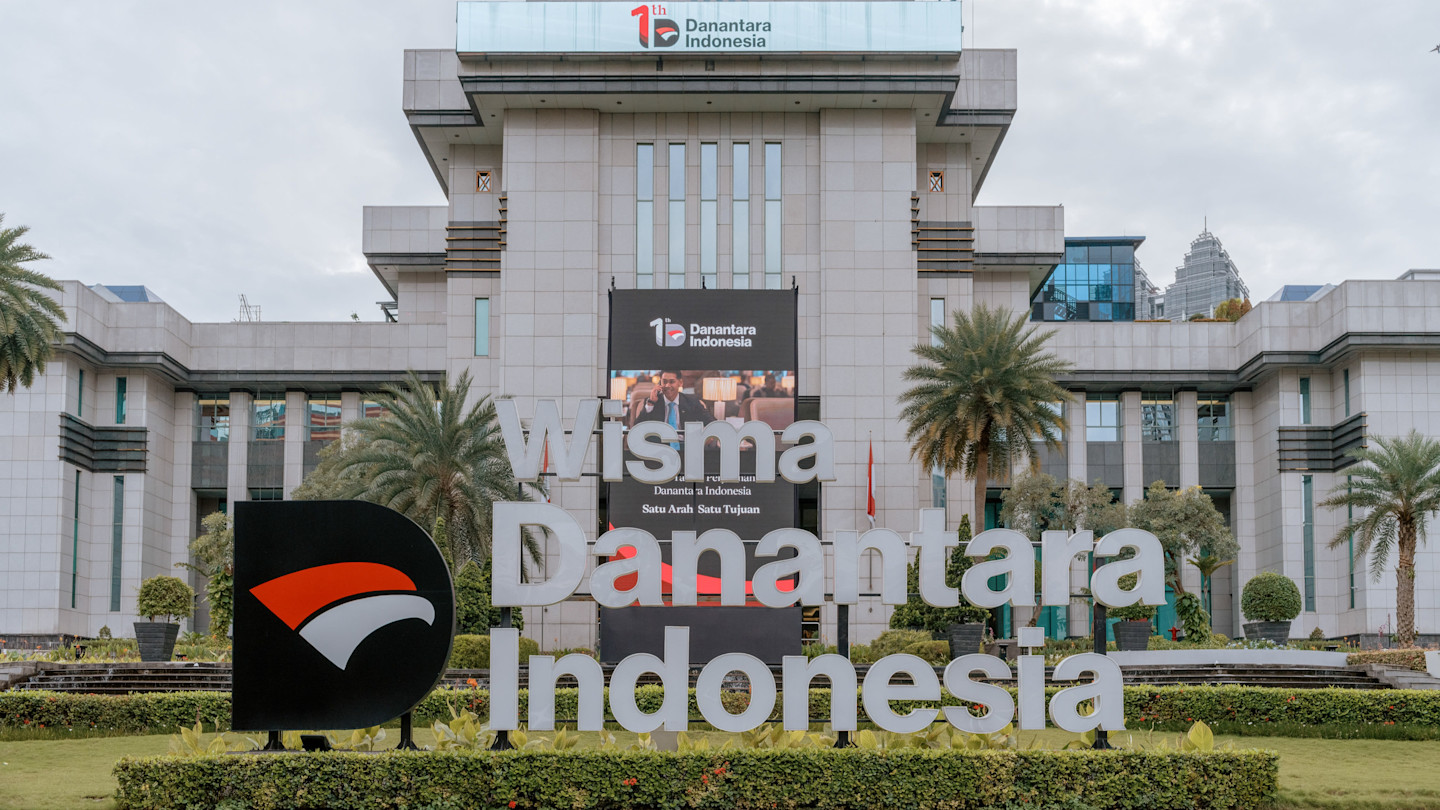
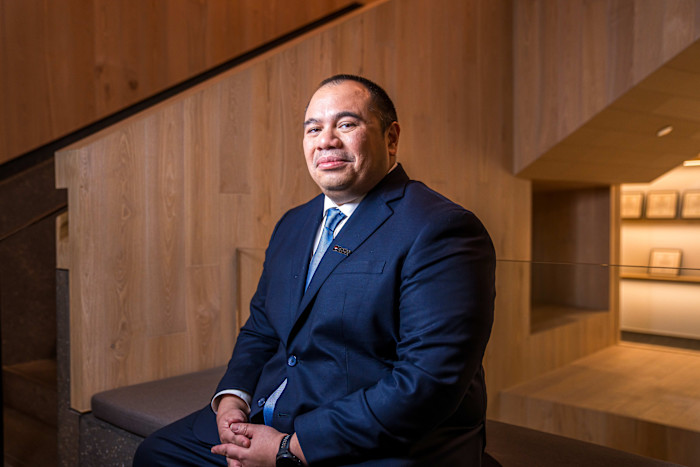
Indonesia must make its stock market “obviously more transparent” as it tries to rebuild confidence after a sharp sell-off in shares this year, the chief investment officer of the country’s sovereign wealth fund has said.
The comments from Pandu Sjahrir, CIO of wealth fund Danantara, highlight concerns about the investability of shares listed in Indonesia and come after global index provider MSCI in June warned about deteriorating information flow in the capital markets of south-east Asia’s biggest economy.
Pandu, who sees attracting foreign capital into Indonesia as part of Danantara’s role, told the FT in an interview that Indonesia’s stock market was “too illiquid”.
“So just any small sign of lack of confidence, foreign capital leaves and there’s not enough domestic institutional support,” he said. “So now we’re gathering up the domestic institutional support, but we need to make it obviously more transparent.”
Many global investment firms were becoming interested in opportunities in Indonesia, attracted by the size of the country, but Danantara still had to convince them it was “a very investable market”, he added.
Indonesia’s stock market was the world’s worst performer in the nine months to September, with the Jakarta Composite Index losing 28 per cent. In January, MSCI warned it might downgrade Indonesia to a “frontier” market because of issues such as a lack of transparency over shareholding structures and concerns over share price manipulation.
President Prabowo Subianto’s ambitious spending plans and economic policies have further weighed on investor sentiment.
Unlike sovereign wealth funds that focus solely on investment to boost returns on state assets, Danantara has been tasked with multiple responsibilities since it was set up in 2025.
Danantara controls hundreds of state-owned enterprises, whose combined assets amount to $900bn, and aims to invest billions of dollars of their dividends into priority sectors identified by Prabowo. More recently, the president has also told the fund to supervise the resource-rich country’s commodity exports.
Pandu said Danantara’s effort to boost domestic institutional support for the stock market would include taking a stake in the Indonesia Stock Exchange itself ahead of the bourse’s planned listing in the next two years.
“It will be our job once we own it,” he said. “We will help push our stock market to be much better than where it is today.”
Danantara’s own governance has come under scrutiny. Fitch Ratings warned in March that the fund’s mandate might be expanded to include leveraged investments supporting “government policy priorities”, potentially reducing “fiscal transparency”. The IMF in January called for “robust governance and accountability frameworks” at the fund to contain risks and “prevent the buildup of contingent liabilities and quasi-fiscal activities”.
Pandu played down such concerns, citing investment-grade ratings that international agencies have given Danantara’s investment arm and what he called strong demand for its debut $1.5bn bond in June as evidence that international investors “actually trust” its governance.
“If there is one thing we have to do better and we will do better is to communicate more to the market as much as we can,” Pandu said.
Danantara has not published any annual financial statement since its launch in February last year, but Pandu said it was unfair to single the fund out from other sovereign wealth funds over the issue. “Nobody asks all the others about their financial statements,” he said.
Danantara would “most likely” publish its first statement in November after the state auditor reviewed the numbers, Pandu said, adding it was “not easy” to consolidate the accounts of more than 1,000 companies. Danantara’s 2026 statement could be released in May or June next year, he added.
Since its launch Danantara has closed or merged about 400 state-owned companies and plans to do the same with another 300 by year-end. Its 40-strong investment team has also begun deploying capital to global asset managers such as KKR and is planning to open offices in financial hubs such as Hong Kong, Dubai and New York.
Pandu said relationships with external fund managers would help Danantara generate returns and build its expertise as well as encourage global investors to invest in Indonesian assets including banks and airports.
Bob Herrera-Lim, a south-east Asia analyst at Teneo, said many foreign investors remained cautious about Indonesia.
“Investors are trying to understand what the Indonesian government is trying to accomplish and whether it will do so in a way that is conducive to investors and not overly nationalistic,” Herrera-Lim said.
“You have to trust, if you are doing a long-term investment in Indonesia like manufacturing, that policy will stay stable enough not only for your sector but for the other sectors you care about, whether it is infrastructure, power or macroeconomic stability,” he said. “Indonesia is not there yet.”