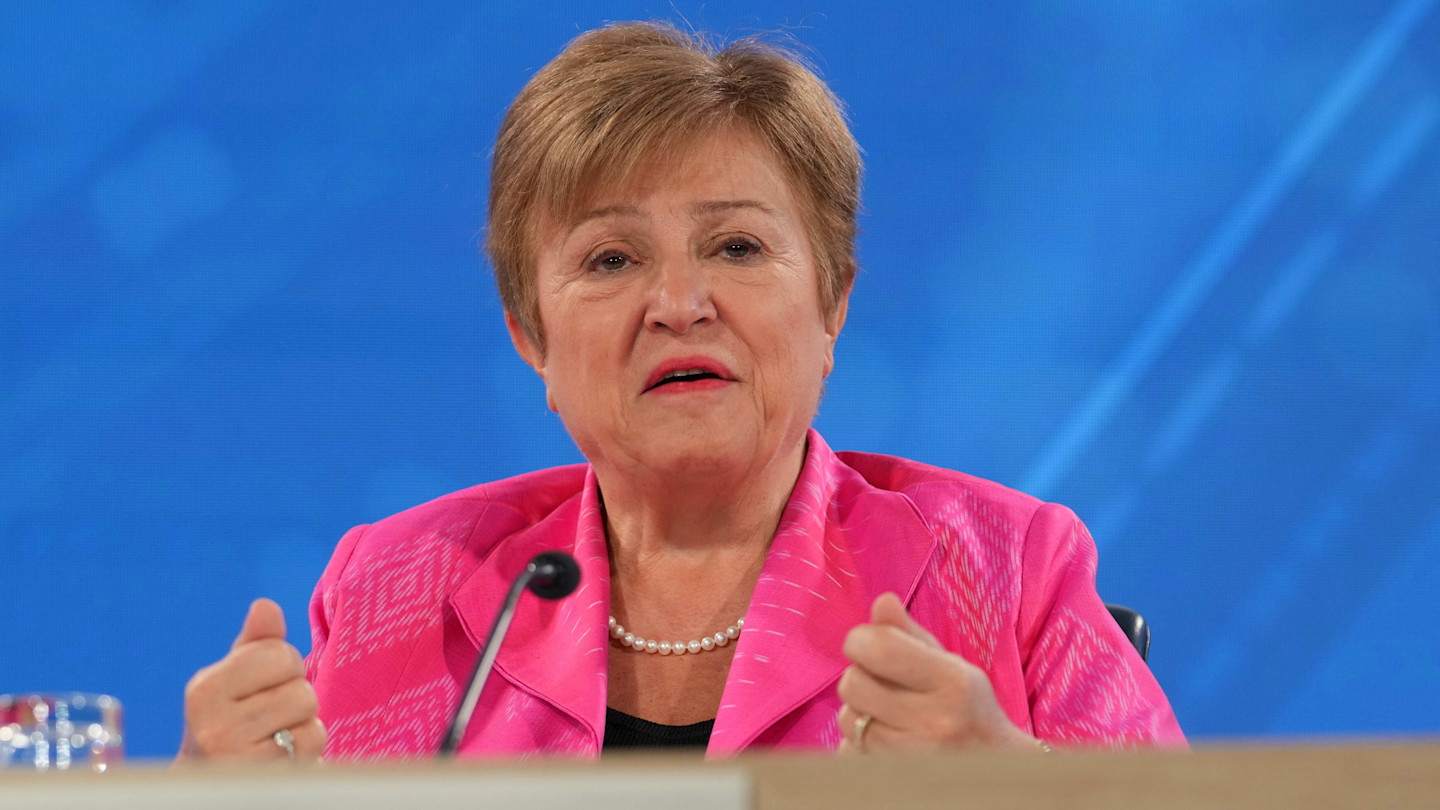
The IMF’s managing director has said governments face “very tough political choices” as she urged officials to rein in spending to combat a surge in bond yields that has pushed borrowing costs to multi-decade highs.
Kristalina Georgieva on Wednesday addressed the recent rout in global bond markets, saying higher energy prices sparked by the Iran war had pushed 10-year borrowing costs for the US, Germany and Japan to their highest levels in decades and were “still climbing”.
Global bond markets have sold off sharply in recent months, as investors contend with a toxic combination of a prolonged war in the Middle East, rate increases by major central banks and mounting public debt burdens for many of the world’s richest countries.
Speaking in Singapore ahead of the IMF and World Bank’s annual meetings in Bangkok next week, Georgieva said that with global debt-to-GDP levels set to soon top 100 per cent, excessive fiscal deficits and high debt-servicing costs were a “major factor” affecting the health of the global economy.
“Elevated yields are inflating the interest bill at a time of tight budget constraints and competing spending priorities, including defence,” she said. “Higher policy rates then lift the short end, feeding directly into the cost of short-term debt.”
Georgieva said deficits have remained far too large since the Covid-19 pandemic, with “fiscal space . . . crying out for replenishment”. She added consolidation plans were “the need of the hour”.
“The situation demands an urgent and comprehensive set of policy responses,” Georgieva said.
The managing director said the situation was especially “challenging” for high-debt countries in the Eurozone. France has come under the spotlight of bond market vigilantes in recent weeks after protesters stormed into the streets to decry government spending plans they view as far too austere.
Georgieva also mentioned Italy and, to a “lesser extent”, Portugal and Ireland as facing rising spreads.
Finance ministers and central bank governors will travel to Bangkok next week to discuss risks to a global economy that has faced shocks with “remarkable agility”, she said.
However, Georgieva warned this resilience was unlikely to go untested in the coming months, listing the rapid arrival of advanced AI and persistently high energy prices as potential triggers for economic disruption.
While AI was powering growth, the impact was uneven and risked exacerbating global inequality, she said.
While the energy shock from the Iran war had been “largely contained”, oil prices remained around $100 per barrel and could rise further as the cold season in the northern hemisphere approaches and some of the world’s richest and energy-intensive countries replenish their reserves.
“To quote from Game of Thrones, winter is coming,” Georgieva said.