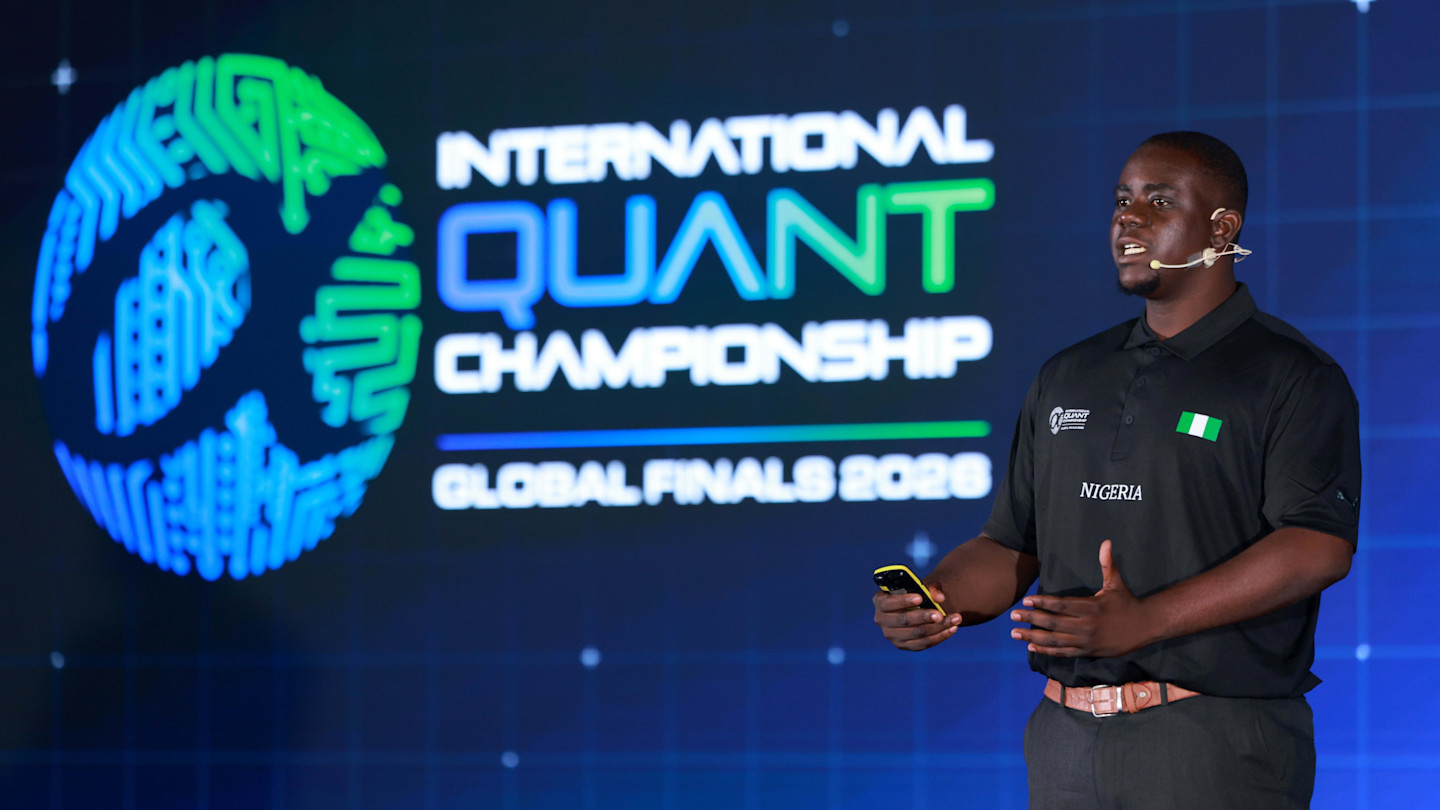
Artificial intelligence will make hedge fund managers less collaborative and more competitive — if this year’s “quant Olympics” are anything to go by.
The annual event, officially called the International Quant Championship, took place in Singapore this week and offered a real-time insight into how the hedge fund industry is being upended by AI.
Quant — short for quantitative — hedge funds use algorithms to exploit patterns in financial markets. They have been one of the biggest beneficiaries of the rise of AI in recent years, recording huge gains in recent weeks from gyrations in global government bonds.
Students from 13 countries competed for a $100,000 cash prize pool and the chance to work in a sector experiencing “radical transformation”, said Igor Tulchinsky, chief executive of WorldQuant, the firm that organises the event.
The quant sector is at an “inflection point”, he said. “Some firms are using the new technologies to make crazy amounts of money. Once you try AI, you never turn back because the improvements are so significant.”
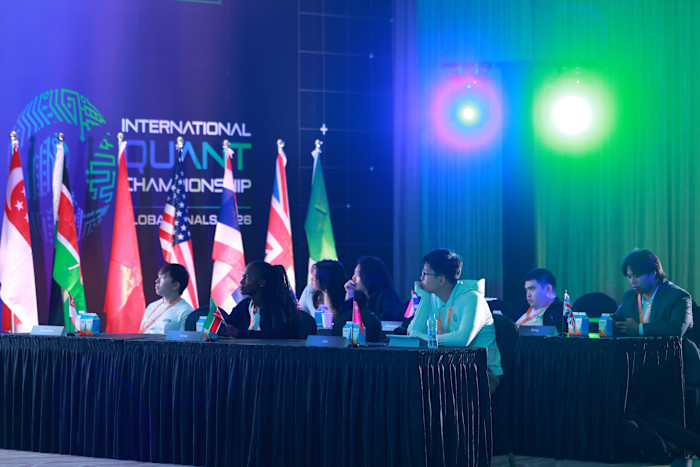
At the glitzy event on Singapore’s resort island of Sentosa, finalists paraded on stage waving their national flags, while former athletes gave pep talks about thriving under adversity.
The quant sector is hugely competitive, drawing graduates from engineering, physics and mathematics backgrounds.
The championships were launched in 2018 to help identify the future stars and provide a platform for talented individuals from outside the traditional hedge fund breeding grounds of elite western universities.
This year more than 156,000 students from around the world entered — almost double last year’s total. The surge in applicants is partly due to AI, organisers said, as the tools were freely available and allowed more people to take part.
The applicants were whittled down to 13 finalists by pitting trading programs they devised against one another using real-life data.
After the formalities on Tuesday morning, the finalists — a mix of individuals and teams — were given a maths problem. Over four hours, the competitors huddled around their laptops in a function room at the Sentosa venue and put their algorithms through their paces trying to solve it.
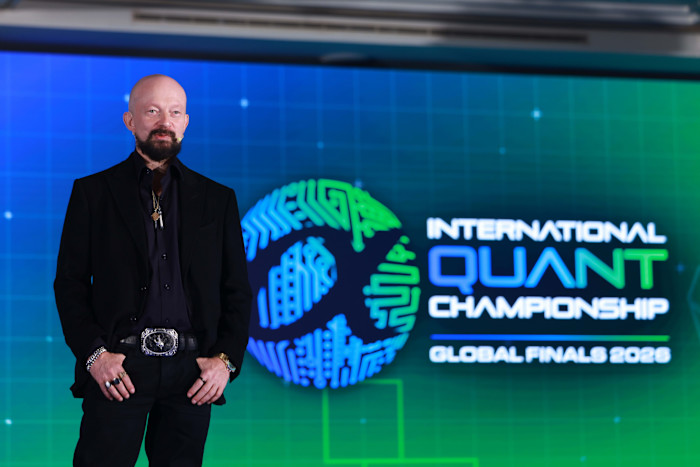
On Wednesday, each finalist presented their results to the judges and their fellow competitors, with Victor Ayebameru from Nigeria taking the crown.
The number of solo entries increased more than 75,000 this year, while there were just 1,000 additional teams. Organisers said this was another consequence of increased use of AI as individual applicants were able to carry out the same work that it previously took whole research teams to conduct.
“It now takes me less than an hour to code what it used to take me a week or even a month to do,” said Sean Jean Moey, a computer science student at the National University of Singapore, who made the final cut.
Singapore has long prided itself on its ability to churn out maths whizz-kids. Lee Hsien Loong, the former prime minister and son of Singapore’s modern founder Lee Kuan Yew, famously came top of his maths class at Cambridge university.
Proponents of AI have said the tools have helped lower the financial and technical barriers to entry for the quant sector, allowing people from a wider range of backgrounds to take part.
This trend was evident at the championships, where 28 per cent of applicants were from Africa — up from 4 per cent in 2023 — and 26 per cent were women, up from 18 per cent last year.
“We are seeing how AI tools have helped to lower the technical barrier, which could unleash a wave of genuinely novel approaches from researchers,” said Nitish Maini, chief strategy officer at WorldQuant.
However, the biggest immediate disruption AI has brought to the quant sector for many of the would-be fund managers in Singapore this week is the pressure it is putting on landing their first job.
“This has always been a competitive industry, but lots of managers now think if they have access to AI they don’t need to hire people for junior positions,” said Bailey Liu, an information and computer engineering student at Cambridge university. “But AI should improve human workers, not replace them.”