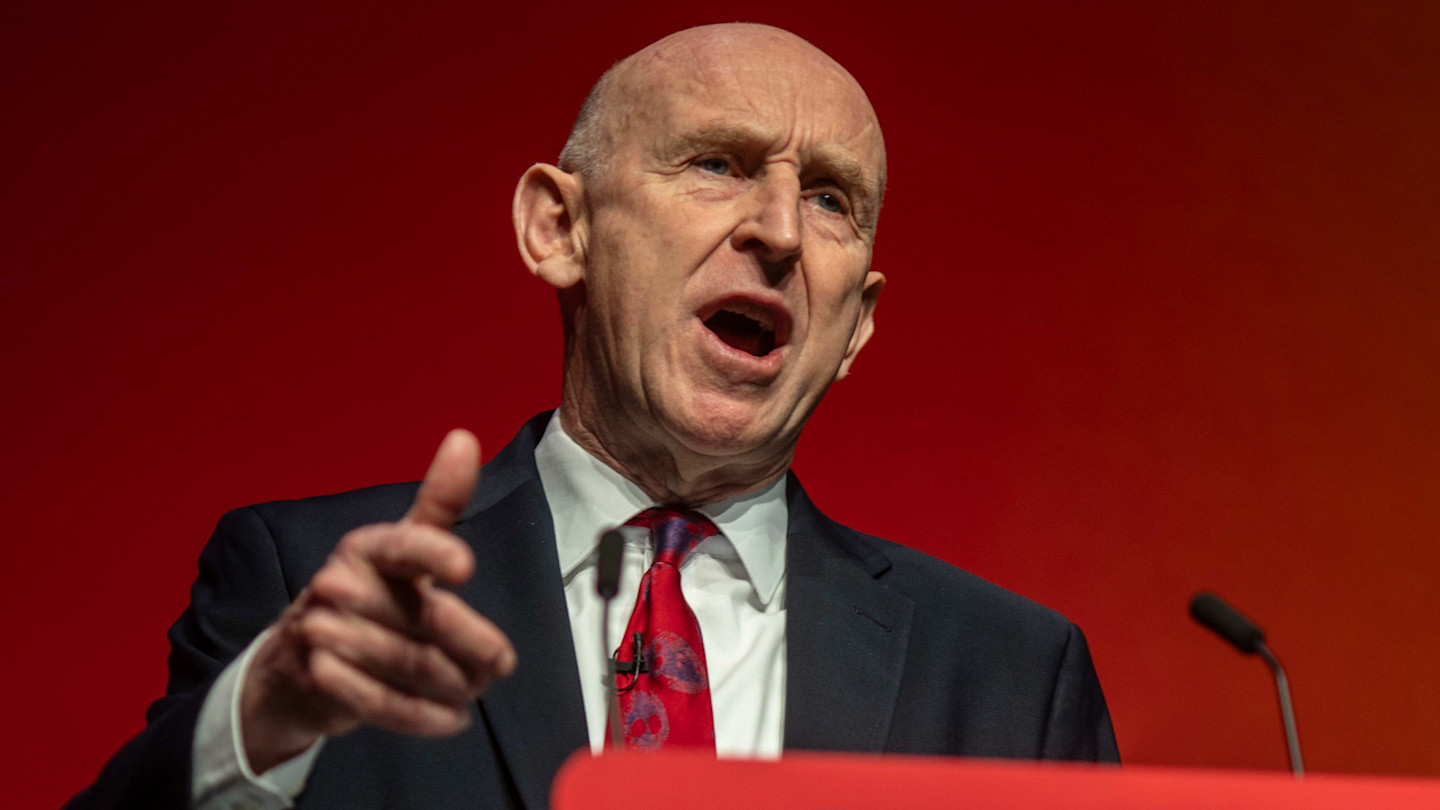
The Iran war has blown a near-£12bn hole in Britain’s public finances, according to FT estimates, slashing chancellor John Healey’s headroom in half and forcing him to lean on Budget tax rises and spending cuts to fund efforts to ease the cost of living.
Higher borrowing costs and rising inflation have probably cut Healey’s fiscal room for manoeuvre from the £23.6bn forecast by the Office for Budget Responsibility in March to about £12bn, according to the estimates.
UK borrowing costs rose in line with other European markets on Thursday, taking the yield on the 10-year gilt as much as 0.07 percentage points higher to 5.53 per cent, the highest level since 2007, before falling back to close at 5.49 per cent.
Government figures say the purpose of the headroom is to act as a “contingency fund” to be drawn down in extraordinary circumstances such as the Middle East war.
Investors also appear willing to accept some erosion of the fiscal buffer, telling the FT that the government’s headroom could narrow to around £14bn once budget measures are factored in without sparking a gilt sell-off.
The FT has previously reported that Healey may accept a narrower buffer than the March figure.
However, the reduction in headroom still means the chancellor could be forced to announce painful tax increases and spending cuts on October 28 to retain the confidence of the bond markets and pay for measures to ease the cost of living for households.
The government’s key fiscal rule requires day-to-day spending to be covered by revenues by 2029-30. Headroom is the buffer estimated to be left over when that target is reached.
“The recent market background has been very unhelpful for the amount of headroom available to the chancellor at the pre-measures forecast,” said Philip Shaw, economist at Investec.
The vast majority of the hit to Healey’s headroom, about £10bn, stems from higher interest payments on government debt, according to the FT’s budget tracker. The remainder is a reflection of movements in consensus growth, earnings and inflation forecasts since March.
Healey and Prime Minister Andy Burnham are expected to focus their household support package in the Budget on cutting energy bills after voters have been hit by soaring costs triggered by the Iran war.
Burnham has also promised more help for small companies. In July, he described a 20 per cent cut to business rates for pubs, social clubs and live venues, costing £100mn, as a “first step” towards helping business.
Tax-raising efforts to fund the package to ease what Healey calls “the cost of living and the cost of business” are expected to be significantly smaller than those under his predecessor Rachel Reeves, who raised taxes by a total of £66bn in her two Budgets.
The OBR in March forecast the Treasury was on track to meet the government’s key self-imposed fiscal rule by almost £24bn. But that forecast was prepared before the surge in energy prices, inflation and borrowing costs due to the Iran war, which has eroded that buffer.
The actual OBR figure will depend on a wide array of assumptions and variables as well as the cut-off date for financial market movements.
However, the FT’s latest headroom estimate is close to the average in a poll of six economists it surveyed this week. “The main factors are the rise in gilt yields, increase in expectations around Bank [of England] rate and higher inflation,” said Thomas Pugh, chief economist at consultancy RSM UK.
Healey is not expected to try to rebuild all of the lost headroom at the Budget, especially given strong opposition from Labour MPs to big tax rises that could further hit growth and infuriate voters.
Rebuilding to the £14bn threshold cited as acceptable by investors polled by the FT last month would require a relatively modest fiscal effort. But Healey still has to fund an array of other measures, including those to ease the cost of living, on top of that.
The chancellor must allocate about £1bn a year to ensure that former prime minister Sir Keir Starmer’s Defence Investment Plan is fully funded. He also needs to find money for other ambitions including tackling homelessness while preparing for public sector pay rises in the NHS and schools.
Investors have also stressed that they want to see the deficit kept on a downward trajectory for the rest of the parliament.
Even if Healey manages to fulfil Labour’s hopes for an uneventful Budget, this will leave open the question of how he funds the spending review next year, which will decide departmental budgets up to the end of the parliament.
The FT reported last week that some Labour insiders believe further revenue will need to be raised to fund the next spending review, potentially via an extra fiscal event in the spring or in the 2027 autumn Budget.
A Treasury spokesperson said: “We do not comment on rumour, speculation or anonymous claims regarding the fiscal headroom.”
Additional reporting by Emily Herbert